
Travel Podcast Clips People Actually Save


A travel podcast clip succeeds when someone saves it, not when they like it. Cut around the one actionable specific in the segment, the hidden spot, the exact cost, the timing tip, and caption it so a viewer can act on it later. A beautiful story about how a place felt gets a like and a scroll. A line they can use on a trip gets a bookmark, and bookmarks are what the feed rewards.
This is where most travel shows clip the wrong thing. They pull the lyrical moment, the sunrise over the temple, the "you just have to experience it" reflection, because it's the part that moved them in the room. In a feed it reads as a postcard with no instructions. The clip that actually travels is the throwaway aside: "go on a Tuesday, the cruise crowds aren't in yet," or "it was forty euros, cash only, and worth every cent."
This guide gives you the save-not-like test for finding that line, the cut that keeps the specific intact, and the part nobody warns you about, where to get footage of a place you filmed two hosts talking about indoors.
Why do travel podcast clips get likes but no growth?
Travel clips stall because a feeling isn't actionable. A viewer admires a sunset clip, double-taps, and moves on with nothing to do next. There's no reason to bookmark a vibe, you don't return to a feeling before you book a flight. You return to the line that named which day to go, what it costs, and the gate the crowds skip.
The pull is real, even in a saturated format. Short-form clips drive an estimated 20–40% of new-audience acquisition for video shows and can raise reach 2–5× (Podcast Studio Glasgow; single-studio figures, directional). Short-form has become a primary way new listeners find shows, so discovery rides on clips. But a travel clip earns its place by being useful, not just pretty.
The save matters more here than in almost any other niche, because travel is planned. People build saved folders months before a trip and revisit them when they finally book. A save isn't a vanity metric on a travel clip, it's intent. It signals the platform that your clip is reference material worth resurfacing, and it puts you in front of someone at the exact moment they're choosing where to go. That's also why the AI's top pick often misses: detection models reward dense, energetic delivery, and the most useful travel line is frequently said flat and fast, almost as an afterthought.
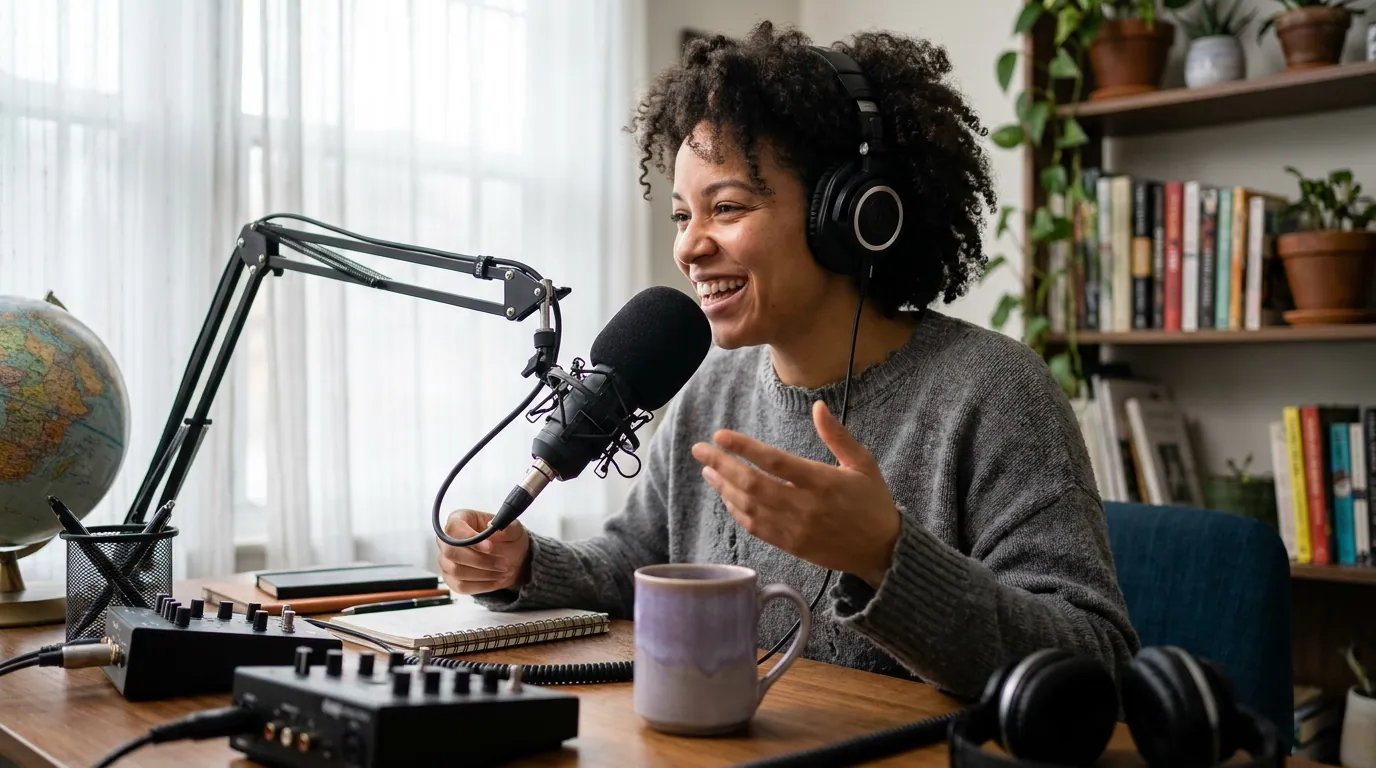
The save-not-like test: finding the bookmarkable line
A travel line is worth clipping when it passes four checks: it's specific enough to act on, it saves the viewer time or money or a mistake, it works without having been there, and it stands alone as a single screenshot. Miss any one and you have a mood, not a tip, and moods don't get saved. Run the test against the transcript, not your memory of the trip, because the line you remember as the highlight is rarely the one a stranger can use.
Check 1, It's specific enough to act on
Scan the transcript for nouns and numbers, not adjectives. The save lives in the detail: a neighborhood name, a price, a time of day, a transit line, a dish, a season. "The food was incredible" is a feeling. "Get the morning fish auction tour, it's about thirty bucks and you book it the night before at the hotel desk" is a plan. The second one is a save because a viewer can copy it into a trip.
Check 2, It saves time, money, or a mistake
This is the check that kills most candidates, and it's the one shows skip. Ask: if a viewer follows this, what do they avoid or gain? A line that prevents a tourist-trap dinner, skips a two-hour queue, or finds a cheaper route to the airport has a clear payoff. A line that just describes how a place looked has none. No payoff, no save.
Check 3, It works for someone who wasn't there
A bookmarkable tip is transferable. The test is whether a stranger planning their own trip can apply it without the context of your specific journey. "When we got lost near the harbor" is your memory; "the harbor district is walkable but skip the first row of restaurants by the water, they're tourist-priced" is something anyone can use. If the line only makes sense because the listener followed your whole episode, it's a story beat, not a clip.
Check 4, It stands alone
The line has to read as a single screenshot with zero setup. If it needs "well, earlier we explained why we went in October…," it's a chapter, not a clip. Paste the transcript line into a notes app as plain text. If it lands as a complete, usable tip on its own, it stands alone. If it reads as a fragment that needs the episode around it, keep looking.
How to cut a travel clip so the tip survives
Once you've found the line, the edit protects the specific. Lead with the actionable detail in the first three seconds, capturing attention in the opening three seconds is associated with a meaningful engagement lift (castmagic; directional, single-source), so open on the destination and the tip, not the host winding up to it.
- Open on the place and the payoff. The first words should name the destination and signal value: "In Lisbon, skip the famous tram and do this instead." Don't bury it behind the host's question or a slow story.
- Keep the number, drop the meander. A travel tip lives on its specific, the price, the time, the name. Cut the "um, so what was it, like, around…" before it and the tangent after it. The viewer is saving the clip for that number, so make sure it's clean and clearly spoken.
- Put the specific on screen, not just in the audio. Feeds autoplay muted, so assume the first viewing is sound-off and burn the key detail into the caption text. "7am · free entry · east gate" on screen survives a muted scroll; spoken-only does not.
- End on the tip, then stop. Travel clips bleed when they trail into "anyway, it was just a great day." Cut on the last useful word. The atmosphere belongs in the full episode, which is exactly where you want a curious, trip-planning viewer to go next.
Keep these tight, 20 to 45 seconds is usually enough for one tip plus a sentence of why. Stack multiple tips and you dilute the save; one clean, copyable specific outperforms a list every time.
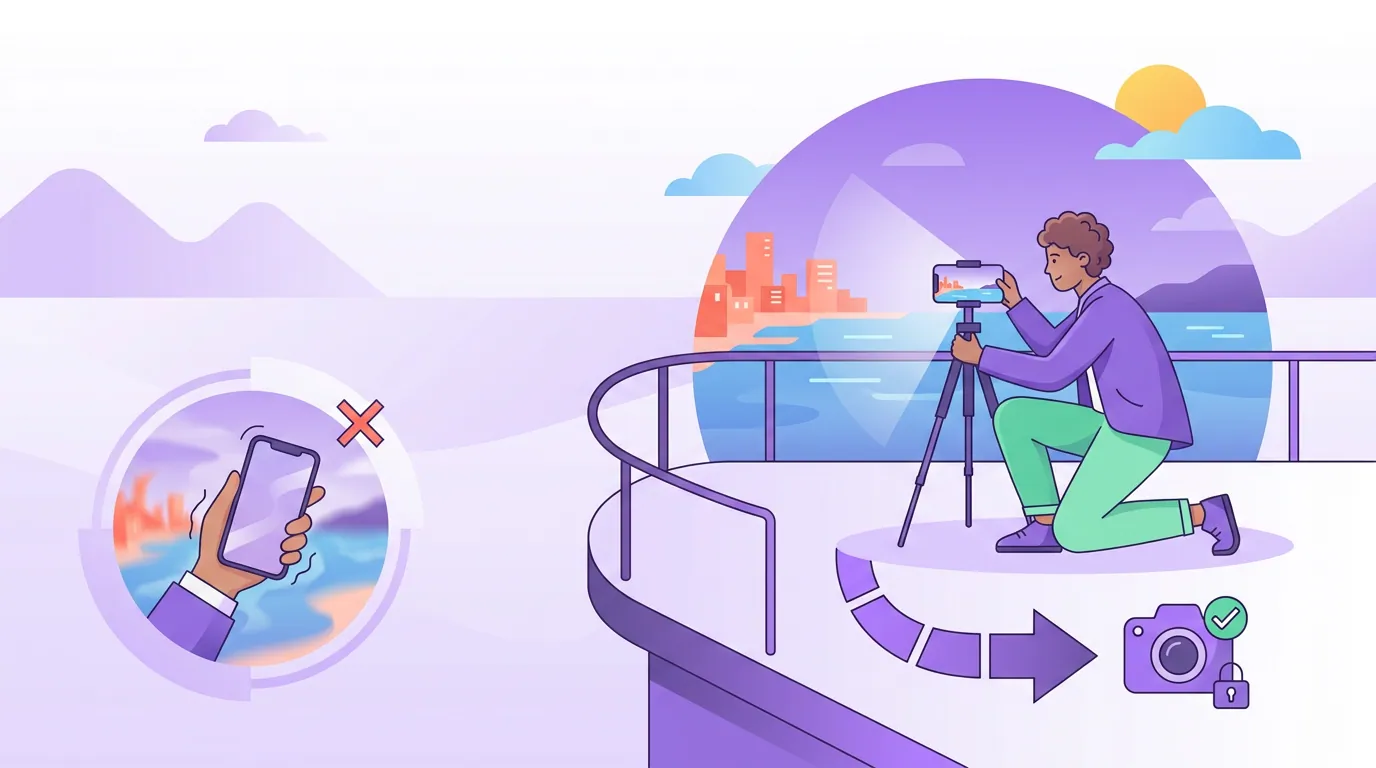
The destination b-roll problem (and how to solve it safely)
Here's the niche-specific trap. You recorded two hosts talking at a desk, but the clip is about a beach in Thailand, and a talking-head clip of a travel show is the least travel-looking content on the feed. The fix is destination b-roll, and the wrong fix is grabbing someone's footage off the internet, which gets clips muted, blocked, or your account struck. Source it in this order, safest first.
The practical move: shoot ten seconds of vertical phone footage at every spot you'll later talk about, the gate, the street, the dish, the view. It's rights-cleared, it matches your show, and it costs nothing. When you didn't capture it, free licensed libraries like Pexels and Pixabay cover most destinations; check each clip's license before you post. You don't need wall-to-wall b-roll either, a 30-second clip with eight to twelve seconds of destination footage over the hosts' audio reads as a travel clip without burying the people. And if you have no footage at all, a clean caption-card on your brand template beats a borrowed clip that gets your post muted.
Common mistakes clipping a travel podcast
- Clipping the vibe instead of the tip. The "it was just magical" moment feels like the peak, but it's a feeling, and feelings don't get saved. Clip the logistics aside the hosts almost skipped over, the price, the timing, the gate.
- Picking the AI's most "energetic" moment. Detection rewards fast, dense, animated delivery, which often surfaces an excited retelling with no usable detail. Read the transcript and apply the save-not-like test before trusting the rank, how AI clip detection actually works explains why the top pick and the most useful line are often different clips.
- Stacking five tips into one clip. It feels efficient and it kills the save, because there's no single thing to bookmark for. One clean specific per clip; turn the other four into four more clips.
- Talking-head only, no destination footage. A travel clip of two people at a desk doesn't read as travel. Cut in your own b-roll, or licensed stock, before you settle for borrowed footage that risks a strike.
- Leaving the specific in the audio only. Feeds autoplay muted, so the first viewing is usually sound-off. If the price or the time isn't burned into the on-screen text, the save reason never lands. Caption the detail.
A note on genre transfer: the save-not-like test is built for travel, where usefulness beats atmosphere, but the instinct adapts. Turning a business podcast into shareable clips protects a defensible claim instead of a tip; clipping comedy podcasts without killing the joke protects timing; and which true crime moments actually clip well protects suspense. Different niches, same move: find the one element the clip lives or dies on, and edit to protect it. When you're choosing among the AI's suggestions, how to pick the best AI-suggested clips covers the scoring, and the save-not-like test is the travel-specific layer on top.