
Getting Guests to Share Their YouTube Episode


Get guests to share their episode by removing every step you're currently leaving to them. Don't send a link and "feel free to share." Send a ready-made kit: their single best clip already cut, a caption written in their voice they can paste, and one line telling them exactly which handle to tag. Then send it at publish, not three days later. The guest who posts is the one for whom posting takes 30 seconds.
The silent guest is the most expensive miss in a video podcast. You spent an hour interviewing someone with an audience you don't have, and the standard ask, "the episode's live, share it if you can", converts almost no one. Not because guests are lazy. Because you handed them a chore. They'd have to find the link, watch it back, pick a moment, write something, figure out your handle, and decide it's worth the post. Six steps is five too many.
Why guest sharing is the cheapest reach you'll ever get
A guest with 8,000 followers who posts your clip puts your show in front of a warm audience that already trusts them, the single highest-intent traffic source for a new podcast. And social is now the front door: a 2025 study found 57% of podcast listeners rely on social media for recommendations, the first time it edged out friends and family (InsideRadio). A guest share is a recommendation, delivered by the person their followers came to hear.
YouTube makes the stakes higher. As of early 2025 it had over 1 billion monthly podcast viewers (Variety), and 53% of new US weekly listeners now prefer to watch a podcast, up from 30% in April 2022 (Backlinko). When a guest posts a clip and the comments fill with "where's the full thing," YouTube is the place they go to watch it, and a tagged channel turns those viewers into subscribers.
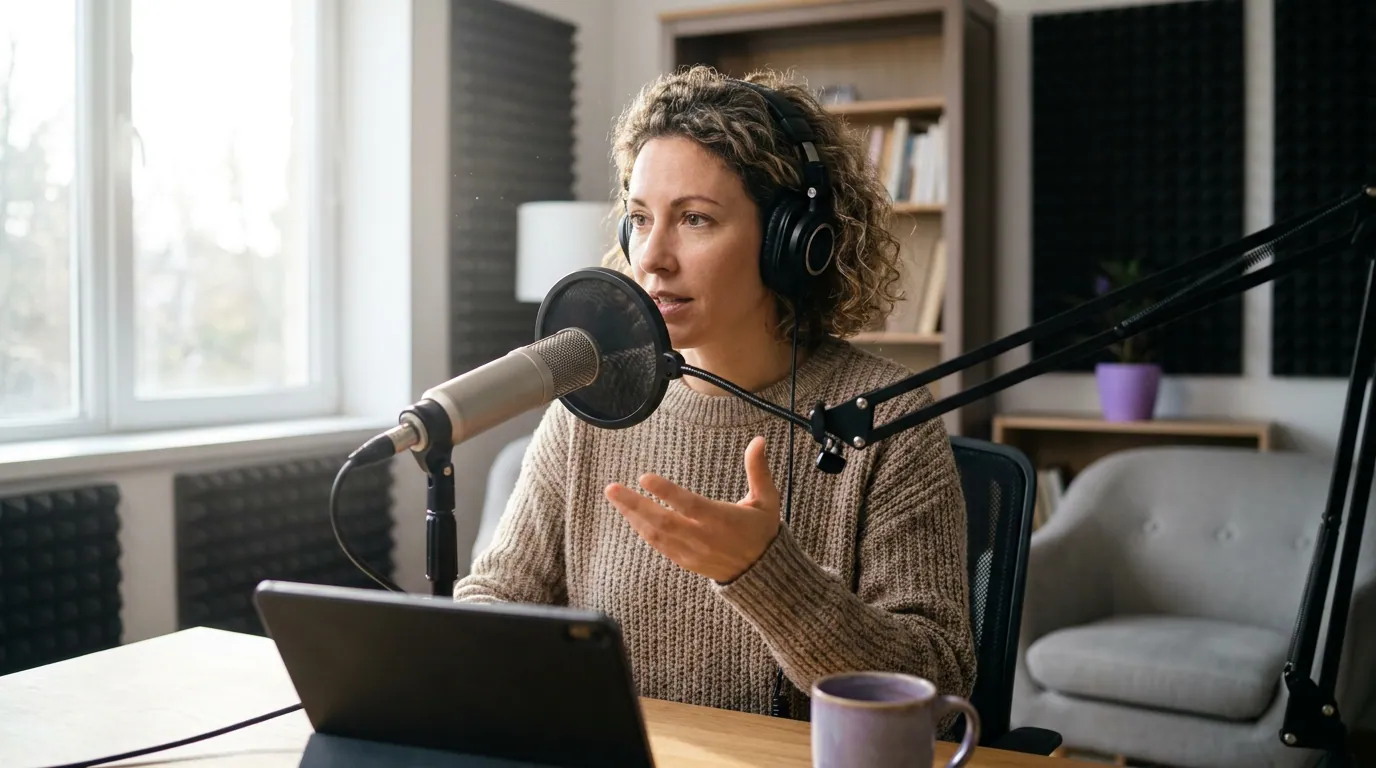
The guest promo kit: what to send
A promo kit is a single message containing four finished things. The rule behind all four: the guest should never have to make anything, only approve and post. Build it once per episode and it takes you ten minutes.
- Their best clip, already cut and captioned. Pick the 30–90 second moment where they say something sharp, not where you do. Vertical or square so it plays full-screen on a phone, captioned (most social video is watched on mute, Sharethrough found ~75% of people often keep their phone muted while video plays, and Digiday reported publishers seeing ~85% of Facebook video watched without sound, both directional, but the point holds), with your channel handle as a small lower-third so the clip works even if someone re-shares it stripped of the caption.
- A pre-written caption in their voice. Write two or three sentences they can paste verbatim, framed as their takeaway, not your promo. "I went on @YourShow and we got into why most onboarding flows quietly leak revenue, here's the part I keep thinking about" beats "Check out my appearance on this great podcast." Offer one short version for X and one slightly longer for LinkedIn or Instagram, so they don't have to reformat.
- Exact tag-and-link instructions, per platform. One line each: on YouTube, the full episode link plus "tag @YourChannel"; on Instagram, "tag @yourshow and add the link sticker to your story"; on LinkedIn, "the full episode is here" with the URL. Spell out the handle. A guest who has to hunt for your correct username on three platforms posts on zero.
- The full-episode link and a thumbnail. Last, not first. By now they want to share; give them the YouTube link and a clean thumbnail image so a story or post has a visual even before the clip uploads.
When to send it: the three windows
Timing decides whether the kit gets used. Most hosts send once, days after publish, into a cold inbox. Use three short windows instead.
- At the record (set the expectation). Before you stop rolling, say: "I'll send you a ready-to-post clip and a caption the day this goes live, all you'll do is hit share." Now the ask isn't a surprise, and you've promised to do the work. Guests almost never say no to that.
- At publish (the kit lands). Send the full kit the morning the episode goes live, not after. The guest is most willing to post when the episode is new and they're a little proud of it. A kit that arrives on day four competes with everything else in their inbox.
- One week later (the second clip). Send a different clip seven to ten days on: "This second moment did really well, here's another one if you want it." A new asset gives a guest a fresh reason to post without you re-asking them to do the same thing twice. Two posts from one guest is the realistic ceiling, and most hosts leave the second on the table.
A single, finished message in each window beats five nagging follow-ups. You're not chasing the guest; you're handing them something good at the moment they most want to use it.
Common mistakes that keep guests silent
- Sending a link instead of an asset. The number-one killer. "Episode's live, share away" leaves the guest to do all the work, so they don't. Send the finished clip and caption every time.
- Making the clip about you. A clip of you asking a great question won't get posted, it's not flattering to the guest. Pick the moment where the guest says the smart thing. Their ego is your distribution.
- Forgetting the lower-third handle. Clips get re-shared without the caption. If your channel name isn't burned into the video, a viral re-share sends zero traffic back to you. Put a small, persistent handle on it.
- No deadline, no nudge. "Whenever you get a chance" means never. The publish-day send creates the urgency for you, the episode is new now. Lean on that instead of a guilt-trip follow-up.
- One clip, one chance. Hosts who send a single asset get a single post at best. The week-later second clip is free upside most people skip.
Tools that make the kit a ten-minute job
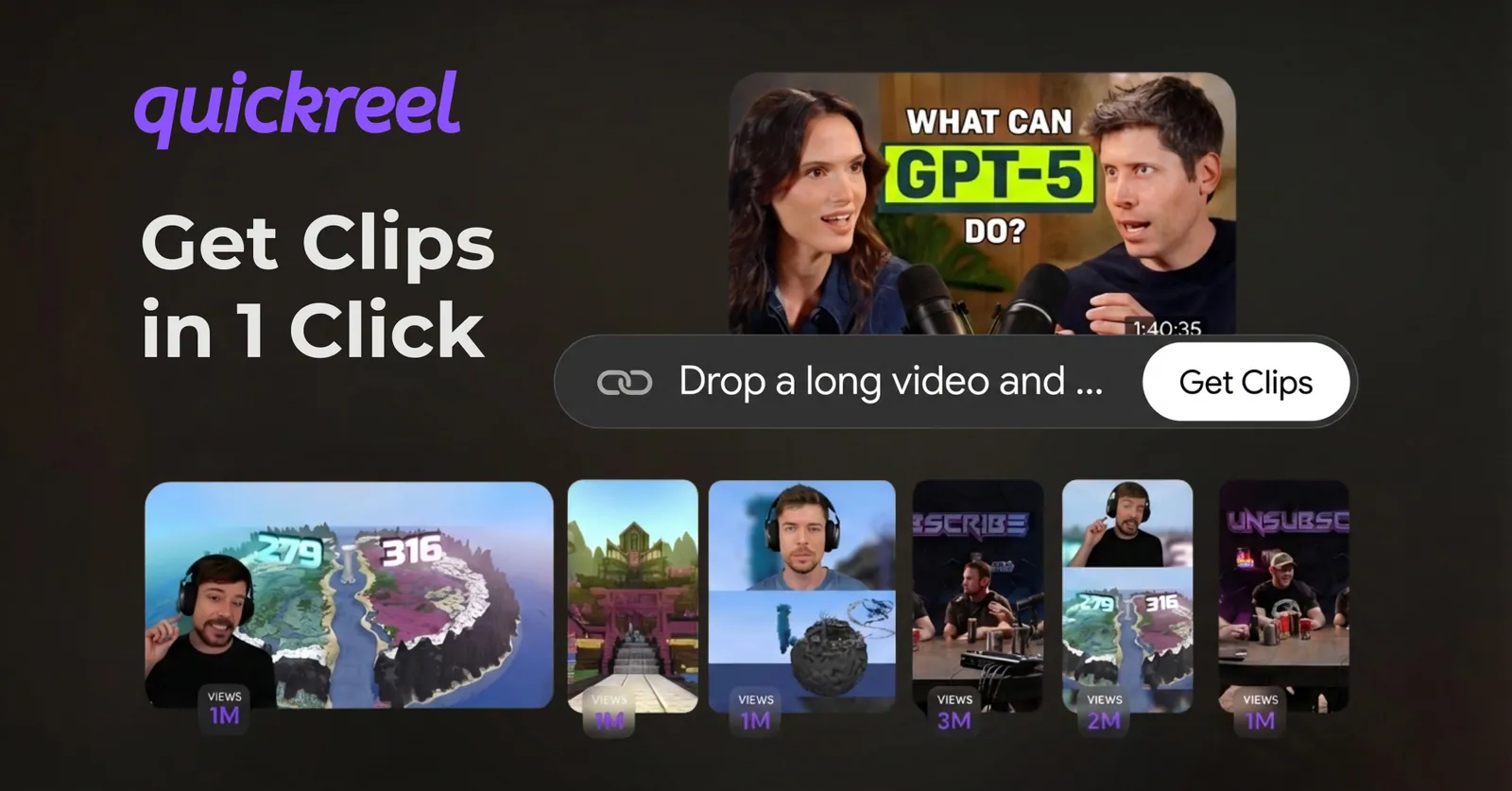
The kit only scales if cutting the clip is fast. Editing one vertical, captioned clip by hand runs 30–60 minutes, do that per guest and you'll quietly stop. QuickReel takes the episode's YouTube link and returns several captioned clips, so you can pick the guest's best moment, add a brand template with your handle as a lower-third, and export in minutes. Its scheduler connects up to ~30 platforms on the Ultimate tier (1 on Starter, 6 on Pro) per QuickReel's pricing page, and the free plan covers roughly one episode's credits to test the workflow.
Be honest about the limit: any AI clipper still needs about 20–40% human review, you'll re-pick a moment or fix a caption line, especially for the one clip you're handing a guest with an audience. That clip is your reputation, so it's worth the extra minute. NPR's 2026 reporting on the clipping economy quotes an analyst making the larger point bluntly, "clips aren't the promotional material for the content, clips ARE the content." For a guest share, the clip is the whole pitch.
The kit fits a bigger system. The clips you make for guests are the same ones that feed the clips-to-channel funnel for YouTube podcasts, and the guest-driven reach compounds with a Shorts strategy built for podcast channels. Once guest shares send people to a Short, your job is turning Shorts viewers into full-episode watchers, which is how this all rolls up to your first 1,000 YouTube subscribers.
FAQ
How do I get a podcast guest to actually share the episode? Remove the work. Send a finished promo kit, their best clip already cut and captioned, a paste-ready caption in their voice, and one line with the exact handle to tag, on publish day, not days later. The guest who posts is the one for whom posting takes under a minute, not the one you reminded three times.
When is the best time to ask a guest to promote the episode? Three windows: at the end of the record (set the expectation and promise the kit), the morning the episode goes live (send the full kit), and seven to ten days later (send a second, different clip). Publish day matters most, the guest is proudest and most willing when the episode is new.
What should be in the clip I send the guest? The 30–90 second moment where the guest says something sharp, cut vertical or square, captioned for mute viewing, with your channel handle as a small lower-third. Make it about them, not your question. A clip that flatters the guest gets posted; a clip that flatters you gets ignored.
What if the guest still doesn't share after I send the kit? Send one different clip about a week later, then let it go. Don't chase with repeated reminders, it strains the relationship and rarely works. Some guests simply won't post, and that's fine. The kit raises your hit rate; it doesn't guarantee every guest. Focus your energy on the next episode's kit.
Should I write the caption for the guest or let them write their own? Write it for them, then invite edits. Most guests won't write their own, that's another task you've handed them. A pre-written caption framed as their takeaway gets pasted as-is or lightly tweaked. Offer a short version for X and a longer one for LinkedIn so they never have to reformat.
The guests who share are the ones you made it effortless for. The rest of your reach comes from owning the audience you do reach, so route guest-driven listeners somewhere you keep them by starting a podcast email list from zero and running new subscribers through a five-email welcome sequence. A guest's follower can forget you by next week; an email subscriber can't.