
The Clips-to-Channel Funnel for YouTube Podcasts


A Short almost never converts a stranger into a subscriber on the spot. It moves them one step: from never having heard of you to having watched forty seconds. The clips-to-channel funnel is the sequence that carries that person from one Short to a watched episode to a subscribe, and it only works if you build the handoff at each stage instead of hoping the viewer figures out the rest. Most podcast channels post great clips and skip every handoff, which is why their subscriber count never tracks their view count.
Think of it as four stages, not one. A Short earns the view. A reason to tap earns the click off the Short. A satisfying long episode earns the watch. And a clear next step earns the subscribe. Each transition leaks people, badly, and the leak is fixable. The shows that grow on YouTube are not the ones with the most viral clips; they are the ones that lose the fewest people between stages.
Why does a clips funnel even matter for a podcast?
Because clips are now the front door, and the door opens onto a platform where audiences already live. YouTube reported more than a billion monthly podcast viewers in early 2025 (Variety), and 53% of new US weekly listeners say they prefer to watch a podcast, up from 30% in April 2022 (Backlinko). Discovery moved with them: 57% of listeners now rely on social media for podcast recommendations, the first time it edged out friends and family (54%) for the top spot (InsideRadio, reporting Coleman Insights / Amplifi Media's "State of Video Podcasting 2025").
So the typical first contact with your show is a clip in someone's feed, not a search for your name. Clips can drive 20 to 40% of a video show's new audience and lift reach two to five times (Podcast Studio Glasgow). The honest caveat: that range comes from a production studio's client work, not a controlled study, so read it as directional. Even at the low end, clips are where most new viewers meet you. The funnel is how you keep them.
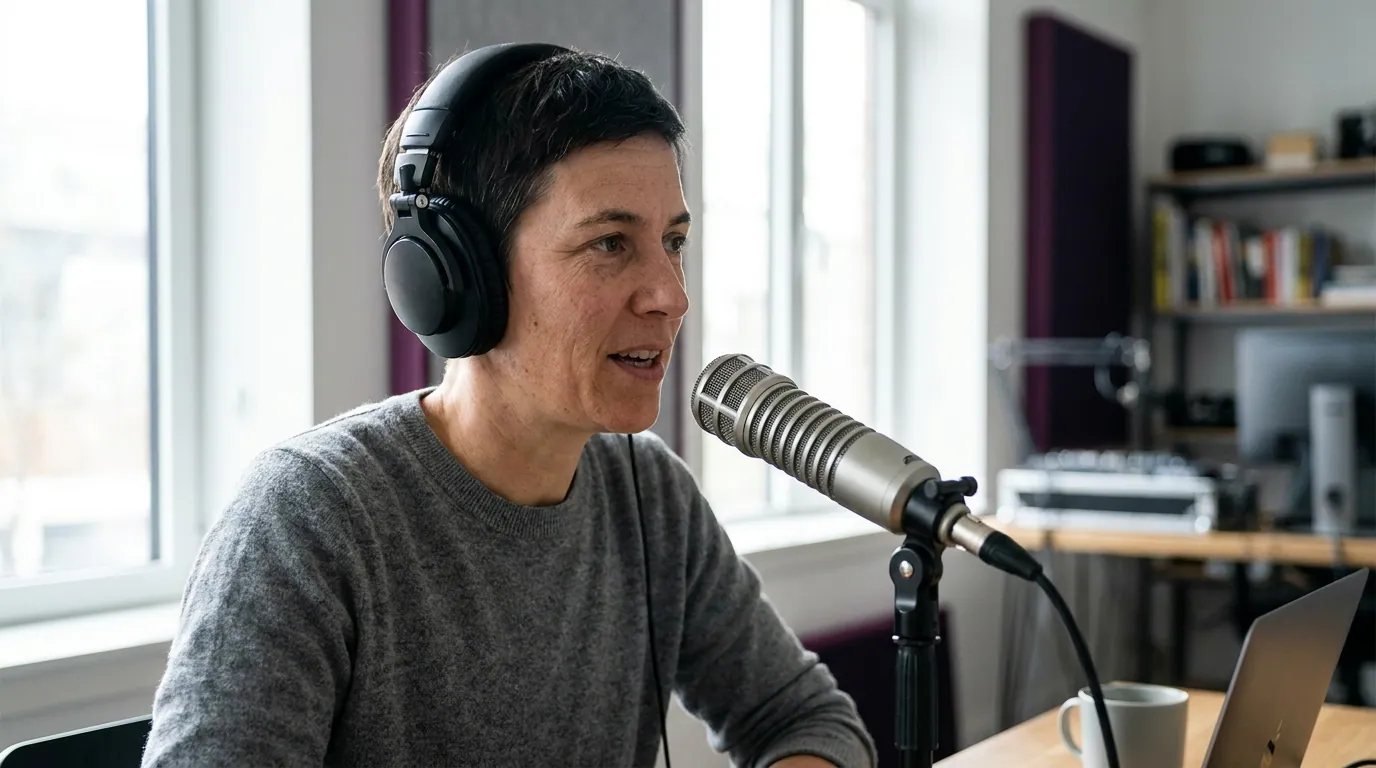
The four-stage clips-to-channel funnel
Here is the map. Each stage is a different question in the viewer's head, and each handoff answers it. Name the stages so you can see exactly where you are bleeding people.
The mistake almost everyone makes is treating the Short as the whole job. They optimize the hook, the caption, the cut, stage one, and leave stages two through four to chance. A Short with no handoff is a billboard on a highway with no exit. People see it and drive on.
The drop-off math: where 10,000 Short views actually go
Run real numbers and the leak becomes obvious. Take a clip that earns 10,000 views, a solid but unremarkable Short for a growing channel. The defaults below are deliberately ordinary, not best-case, so the picture is honest rather than flattering.
- Of 10,000 views, maybe 2% tap through to anything else. That is 200 clicks. Short viewers are in a scroll, not a research mood, so a 2% click-through is already healthy.
- Of those 200, perhaps 30% actually start the long episode and stay past the first minute, call it 60 watchers. The rest bounce when a 40-second clip becomes a 50-minute video with no obvious entry point.
- Of those 60, around 30% subscribe, because the episode delivered and you asked clearly. That is 18 subscribers from a 10,000-view clip.
Eighteen feels small until you see the alternative: a clip with no handoff converts almost none of those 10,000, because nobody is given a next step. The funnel is the difference between 10,000 views that evaporate and 10,000 views that leave 18 people behind every single time you post.
The point of attack is whichever stage leaks worst for you. Doubling click-through from 2% to 4% doubles your subscribers from that clip. So does doubling the watch-conversion. You do not need a viral clip; you need a funnel that drops fewer people at the stage you are worst at. Check it in your conversion path from Shorts to long episodes before you blame the algorithm.
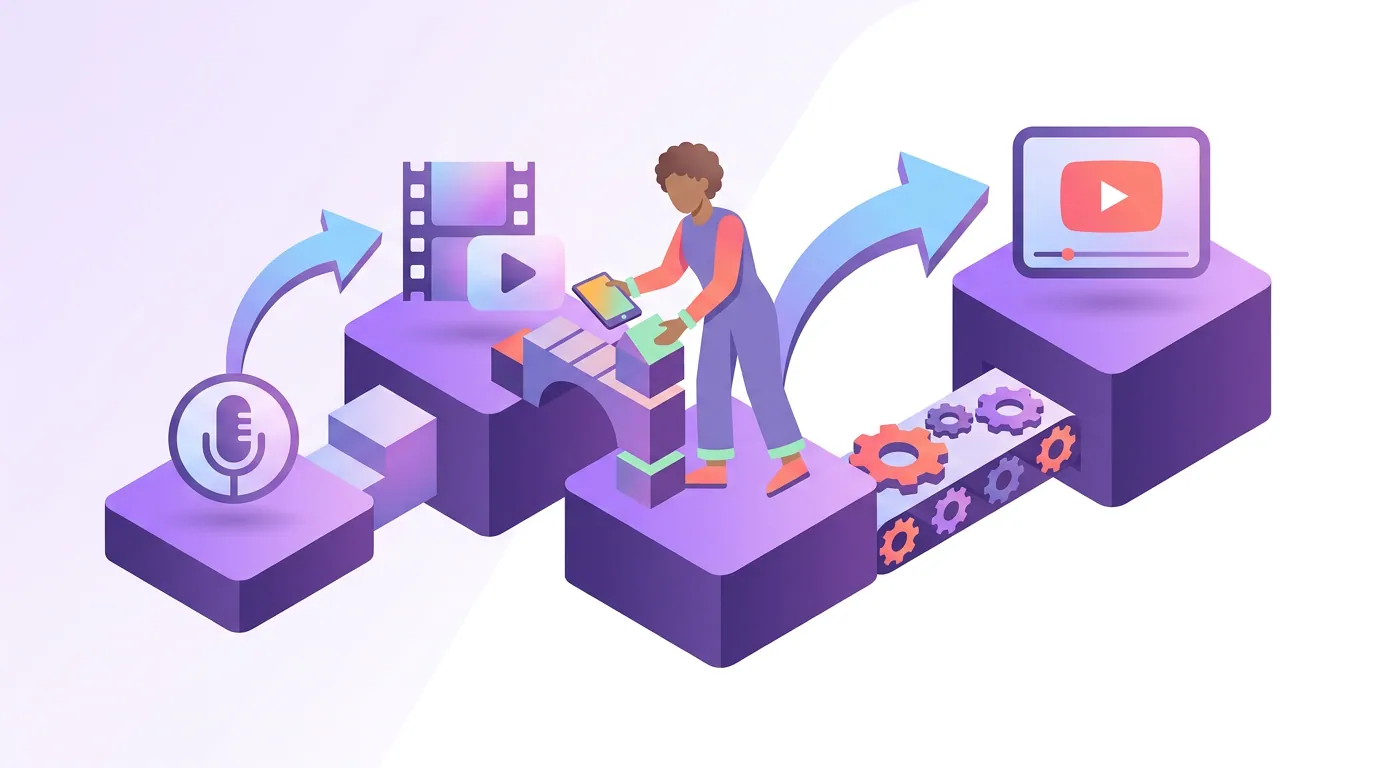
The three handoffs, built (this is the work)
Each handoff is a specific YouTube feature, not a vibe. Build all three and the math above starts compounding.
- View → click: the pinned comment and first line. A Short can link to the full episode, but YouTube buries the link and viewers ignore it. Pin a comment that names the moment, "Full breakdown of why he quit at minute 31, link in the description", and write your own first comment as the call to action. Reference the specific payoff, not "watch the full episode." A vague link is a dead handoff.
- Click → watch: the end card and chapter link. When someone arrives at a 50-minute episode from a 40-second clip, they need a door, not a wall. Drop a chapter marker at the moment the clip came from and link straight to that timestamp from the Short's description. Then place end cards in the last 20 seconds pointing to one related video, give the watcher exactly one next thing, not five.
- Watch → subscribe: the playlist and the ask. Put the episode in a themed playlist so finishing one video auto-plays the next on-theme one; a playlist turns a single watch into a session, and sessions are what earn the subscribe. Make the spoken ask specific and tied to value, "subscribe and you'll catch next week's guest" beats "smash subscribe." Then capture an email so the relationship is not rented from the algorithm: start with a podcast email list from zero and warm new arrivals using a five-email welcome sequence.
Do these in order. There is no point optimizing the subscribe ask in stage four if your stage-one pinned comment is empty and nobody ever clicks.
Common mistakes that break the funnel
Most broken funnels fail at the same handful of points. Fix these before you make more clips.
- No handoff at all. The clip is great; the description is empty and no comment is pinned. The single most common leak, and the cheapest to fix.
- The clip and the episode don't match. A clip teases a payoff the episode buries 40 minutes in with no chapter to jump to. The click happens; the watch dies. Always link to the timestamp the clip came from.
- Asking strangers to subscribe before they've watched anything. A subscribe is a stage-four action. Begging for it on the Short itself, before any value lands, converts almost no one and trains the algorithm that your Shorts disappoint.
- One generic playlist for everything. Themed playlists keep watchers in a session; a single "all episodes" dump auto-plays something irrelevant and ends the visit. Group by topic, guest, or series.
- A weak thumbnail on the long episode. The click off a Short lands on the episode page, where the thumbnail decides whether the watch continues. A strong clip feeding a video-podcast thumbnail that earns clicks is the handoff working as designed.
None of these need a bigger audience to fix. They need ten minutes per episode and the discipline to treat the clip as the start of a path, not the destination.
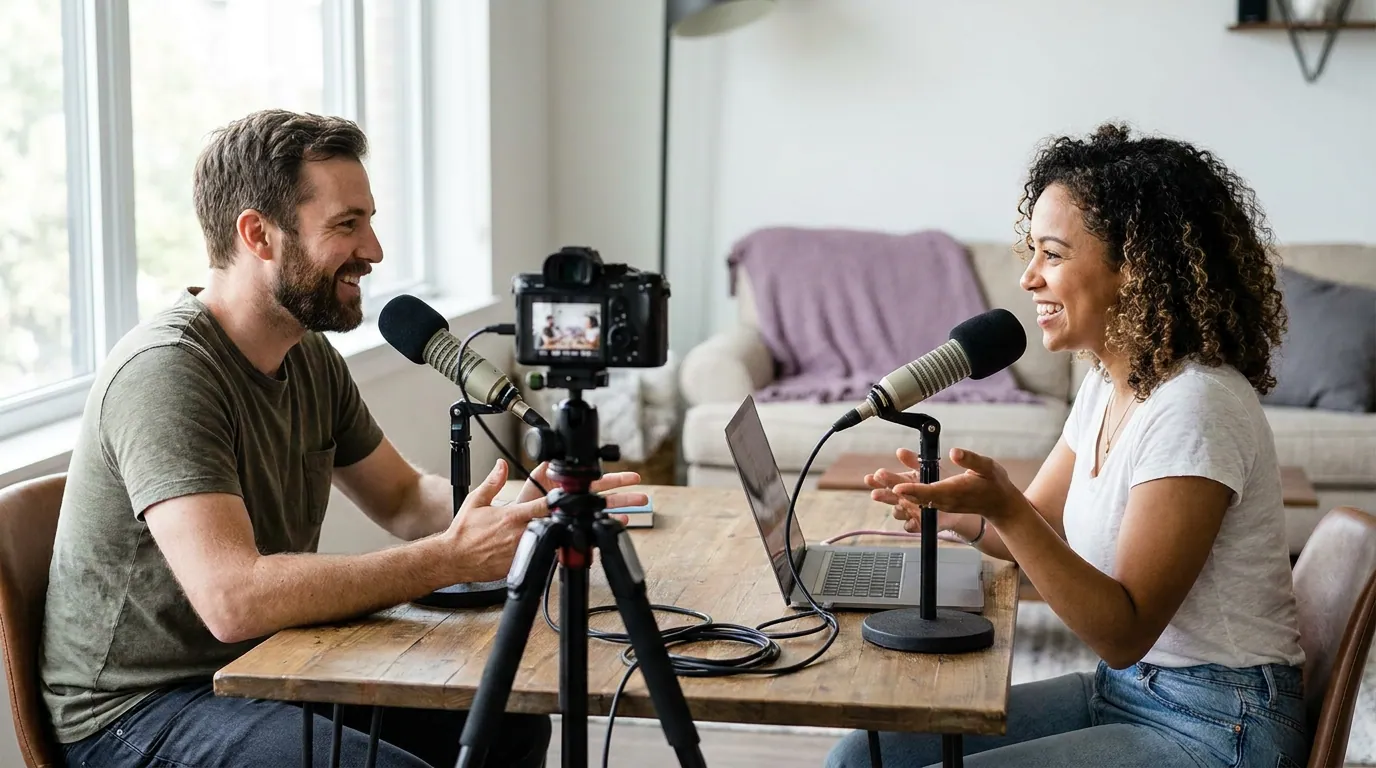
How this funnel ladders into real growth
The point of the funnel is not one clip's 18 subscribers, it is the compounding. Post three to five clips a week, each feeding the same four stages, and the subscriber drip becomes a stream while your full episodes quietly bank the watch hours YouTube monetization also requires (YouTube Partner Program, official help). The two systems reinforce each other: clips reach the strangers, episodes hold them, the funnel converts them.
This is the engine behind getting your first 1,000 YouTube subscribers as a podcaster. Pair it with a Shorts strategy built for podcast channels so the clips you feed in are designed to convert, not just to be seen. Views are the top of the funnel. Subscribers are the bottom. The handoffs are everything in between, and they are the part you actually control.
FAQ
How many Short views does it take to get a subscriber? With ordinary handoffs in place, roughly 10,000 Short views convert to around 18 subscribers, about 2% click through to the episode, 30% of those watch, and 30% of watchers subscribe. With no handoff, the same 10,000 views convert almost no one. The handoff matters more than the view count.
Should I link the full episode in the Short itself? Link it, but do not rely on YouTube surfacing that link. Pin a comment naming the specific payoff and put the timestamp link in the description. Short viewers are scrolling, so the link needs a concrete reason to tap, "the full story at minute 31," not "watch the full episode."
Do clips actually convert to long-episode watch time on YouTube? Yes, when you build the click-to-watch handoff. The leak is real, most clip viewers never start the long video, but a chapter link to the exact moment the clip came from, plus end cards pointing to one next video, recovers a meaningful share. Without those, click-throughs land on a wall and bounce.
How many clips should I post per week to grow a podcast channel? Three to five a week is the sweet spot for a growing channel, enough to keep feeding stage one without quality slipping. Each clip is a fresh entry into the funnel, so consistency compounds: the subscriber count tracks how many funnels you keep running, not how viral any single clip goes.
Why do my clips get views but no subscribers? Almost always a broken handoff. Views are stage one; subscribing is stage four, and three transitions sit between them. Check whether your Shorts have a pinned comment, whether the long episode has a chapter the clip links to, and whether you ever clearly ask. Missing any one of those caps your subscriber conversion near zero.