
How to Start a Documentary Podcast Series


To start a documentary podcast series, plan the whole season before you record one episode: write a season bible that fixes the story's arc across all episodes, get a signed release for every voice you record, plan a four-layer narrative mix (narration, tape, ambient, score), and budget a production timeline measured in months, not days. The work that makes documentary audio feel cinematic happens in pre-production, long before the mic is on.
This is the part most "start a podcast" guides skip. A conversational show is a microphone, two people, and a publish button. A documentary series, serialized, scored, reported, is a different craft with a different timeline, and treating it like a chat show is the fastest way to stall out at episode three. Below is the build that actually ships a season: how to structure a multi-episode arc, the consent paperwork that keeps your tape usable, the sound-design layers that make narration land, and an honest look at how long this really takes.
Society & Culture sits among the top US podcast genres (Statista top genres), and narrative nonfiction lives squarely inside it, alongside the careful, document-led true crime show, which is documentary's closest cousin. The audience is there. The bar is just higher, because you are competing with shows that spent months on a single episode.
What makes a documentary podcast different from a normal one?
A documentary podcast tells a reported, true story across a planned arc, using narration, recorded interviews ("tape"), ambient sound, and music, not an unscripted conversation. It is written and edited like a film. Most of the work is pre-production and post-production: research, interviews, scripting, and sound design, with the recording being the smallest slice.
The serialized format is the other big difference. A conversational show can run forever, episode by episode, with no master plan. A documentary series is usually built as a season, a finite set of episodes that together tell one larger story, each ending on a question that pulls the listener to the next. _Serial_, _S-Town_, and _The Trojan Horse Affair_ are the reference points: you are not making 50 standalone episodes, you are making one story cut into chapters.
That structural difference is exactly why so many narrative shows never finish. The single biggest predictor of a podcast surviving is publishing consistency, and nearly half of all podcasts never make it past their first three episodes Amplifi Mediaon podfade). A documentary series front-loads its hardest work, so the danger is not boredom, it is running out of runway mid-season. The fix is planning the whole arc before you commit.
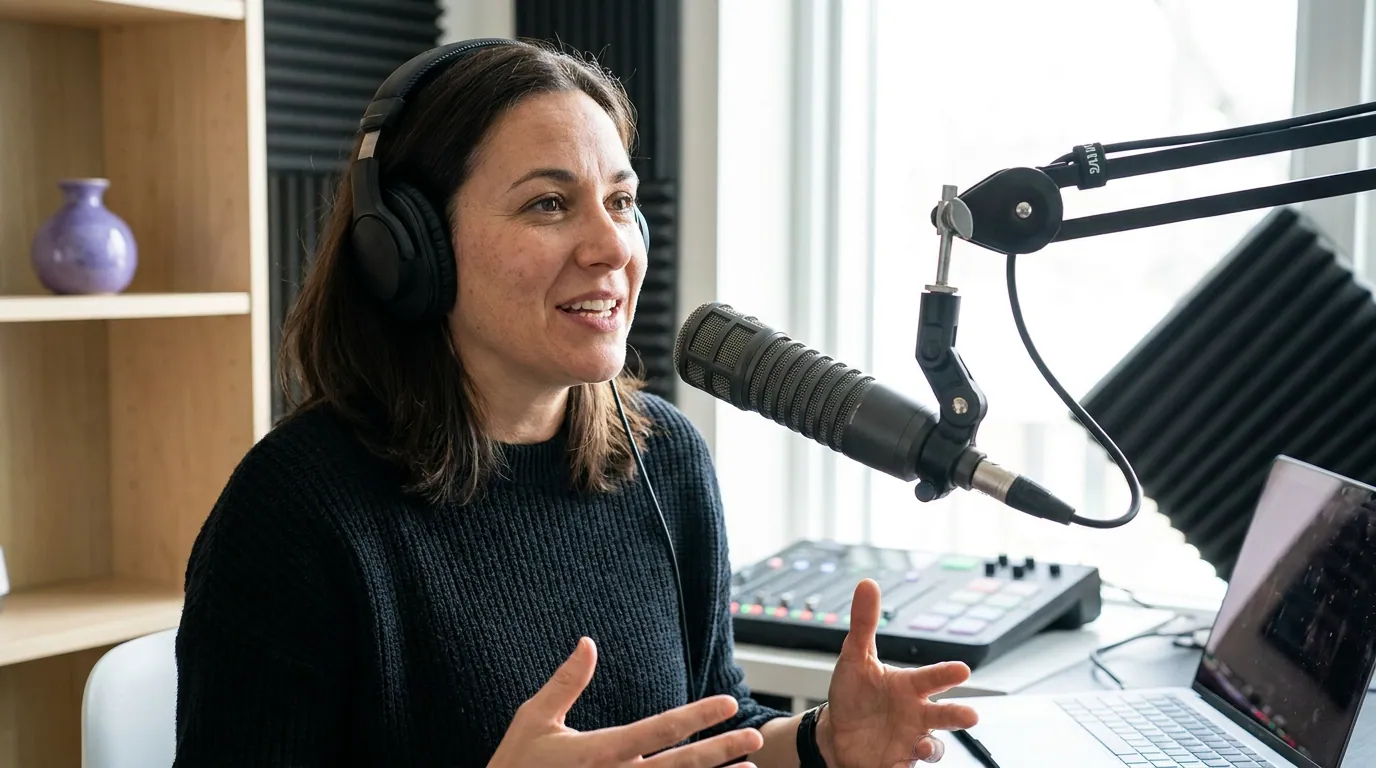
Build the season bible first
The season bible is your information-gain advantage over every show that just starts recording. It is a single document that fixes the five things a serialized story needs to hang together before you spend money on field trips and interviews. Lock these, and every later decision, which interview to chase, what to cut, where the cliffhanger lands, has an answer.
A working tip on the arc: write the last episode's one-line summary before you write episode one's. Knowing where the season lands tells you what every earlier episode needs to set up, and it stops you from reporting your way into a story with no ending, the trap that kills narrative seasons more than any other. If you cannot describe the finale, you are not ready to record the opener.
The episode beats are where serialized format earns its keep. Give each episode one job and one cliffhanger. The cliffhanger is not a gimmick, it is the structural reason a listener clicks "next," and it is what separates a series from a pile of standalone episodes. Plan the beat sheet for the whole season on a wall of index cards, then move cards around until the order builds.
Budget the real production timeline
This is the honest part that comparison guides bury. A documentary episode is not a longer conversational episode, it is a fundamentally heavier build, and the time goes to stages a chat show simply does not have. A typical conversational episode might be two hours of recording and two of editing. A narrative documentary episode routinely runs weeks of research, days of interviews, then scripting, sound design, and mixing on top.
What this means in practice: do not announce a weekly release schedule for a documentary series. The professional move is to finish most of the season before you launch, then release on a fixed cadence (weekly or fortnightly) so you never miss a drop mid-story. A half-recorded season released live is how narrative shows die in public. Front-load the production; back-load the relief of a finished season in the can.
On budget, the gear is not your big cost, your time is. A solid recording setup for documentary work is affordable: you need a clean voice mic for narration and a portable recorder for field tape, and the gap between a $150 and a $1,500 rig is smaller than the gap between good and bad recording technique (Ausha on podcast cost). A budget mic from our by-tier guide handles narration; a solid pick under $100 is enough to start. For the full breakdown, see what it actually costs to start a podcast. Spend the money you save on a music license and the hours on the script.
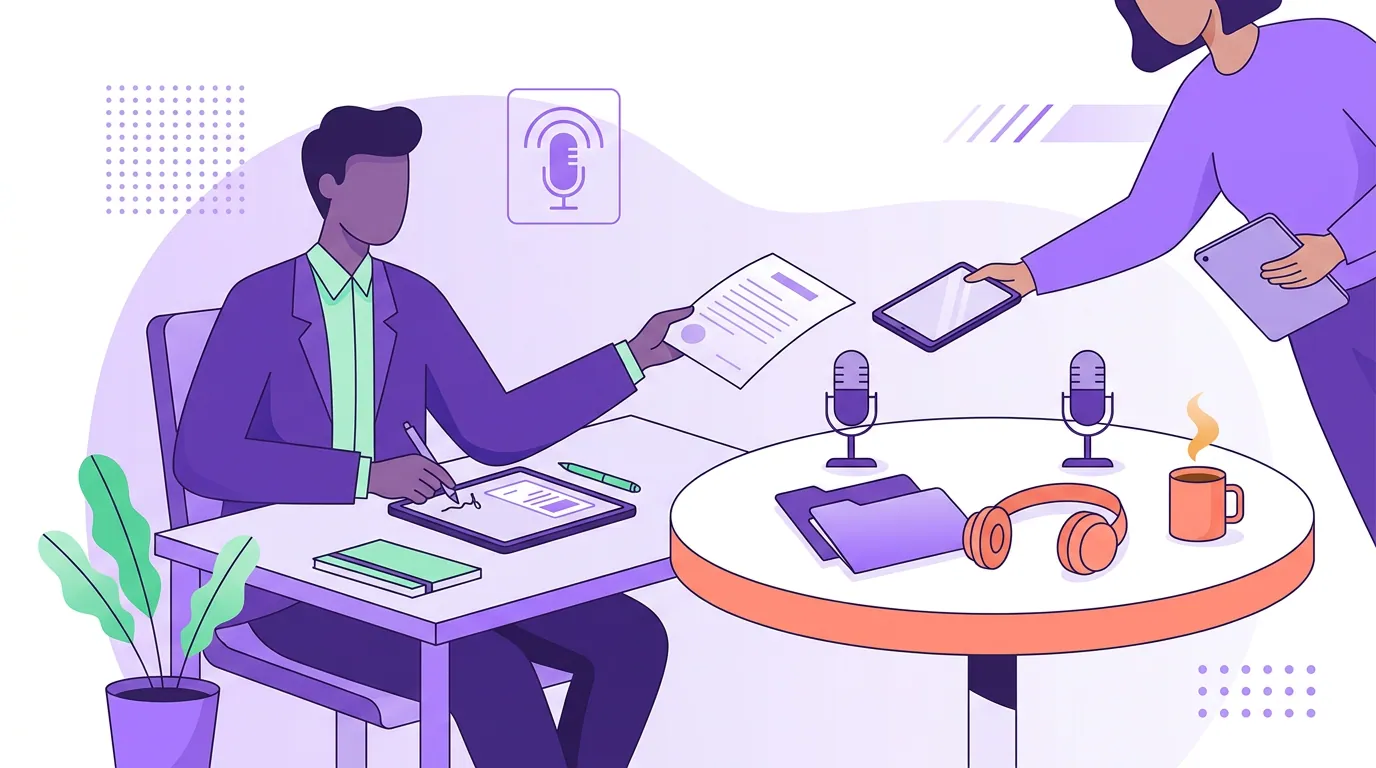
Get the paperwork right: consent and interview releases
Every voice you record needs documented permission to use it, and getting this wrong can make an interview legally unusable, or worse, expose you after publication. The fix is a simple, repeatable release pipeline that runs the same way for every person, every time. Build it once and it protects the whole season.
This is not legal advice, if your story involves vulnerable people, minors, or anything contentious, get a media lawyer to review your release form and approach. But the baseline workflow is the same for almost every documentary.
The specifics that matter:
- Record verbal consent at the top of every interview. Before the real questions, ask on tape: "Do I have your permission to record this and use it in the podcast?" It is your backstop if a paper form goes missing, and it timestamps the agreement.
- Use a written interview release form. A short form granting you the right to use the recording, edit it, and distribute it. Plenty of free templates exist; have a lawyer adapt one if your topic is sensitive. E-signature tools make this painless even for remote interviews.
- Know your recording-consent law. US states split between one-party consent (you, a participant, may record) and all-party (two-party) consent (everyone must agree). When recording a phone or remote interview across state lines, follow the stricter state's rule. This is a real legal line, not a formality.
- Get a music and audio rights paper trail too. Score, archival tape, news clips, field recordings of copyrighted music playing in the background, all carry rights. Use a licensed music library or original score, and log the license for each cue. Documentary shows lean heavily on music, so this adds up fast.
- Handle minors and vulnerable people with extra care. Parental or guardian consent for minors, and a serious ethical (and sometimes legal) duty of care for anyone vulnerable. When in doubt, get advice before you record, not after.
Plan the narrative sound design from day one
Documentary audio is mixed, not just recorded, and the mix is what makes narration feel cinematic instead of like someone reading a blog post aloud. Plan for four layers from the start, because what you capture in the field determines what you can build in post. Decide the sound of the show before episode one, and capture for it as you report.
The field-capture rule that beginners miss: record room tone and ambient sound at every location. Thirty seconds of "silence" in the room, plus the natural sound of the place, gives your editor the raw material to smooth edits and build atmosphere. You cannot fake it later. Treat ambient as a deliverable from every shoot, not an afterthought.
On score, you have two honest options. License from a music library built for this (Epidemic Sound, Artlist, and similar handle podcast rights), or commission original cues, the more expensive, more distinctive choice. Either way, log every track. The reason professional documentary podcasts sound the way they do is mostly the score and the field tape working under clean narration, and that is something the audience hears even when they cannot name it. Production quality is also what makes a show worth recommending (Podcast Studio Glasgow on production).
Common mistakes when starting a documentary podcast
- Recording before the arc is locked. Without a season bible, you collect hours of tape with no shape and discover in the edit that the story has no ending. Write the finale first, then report toward it.
- Releasing weekly with the season half-built. A documentary's heavy timeline means a live weekly schedule almost always breaks mid-story. Finish most of the season, then release on a fixed cadence.
- Skipping releases and consent. No signed release means unusable tape, and ignoring one- vs all-party consent law on remote interviews is a real legal exposure. Run the release pipeline for every voice.
- Treating sound design as a post-production garnish. Ambient and room tone have to be captured in the field; you cannot add them later. Plan the four-layer mix before you record, not after.
- Under-budgeting time, over-budgeting gear. Beginners buy a $1,000 setup and then run out of energy in the research stage. The script and the reporting are the work; a modest rig is plenty.
- No music license trail. Documentary leans on score, and unlicensed music is a copyright claim waiting to happen. Use a library built for podcasts and log every cue.
The discipline here is closer to filmmaking than to recording a chat. If you are weighing a documentary series against a lighter format, the contrast is stark: a comedy show recorded with friends trades on spontaneity and almost no pre-production, while a business podcast that wins clients and a fitness podcast built around a coaching method sit in between, some planning, but nothing like a scored, reported season. Documentary is the heaviest build of the bunch, and the most rewarding when it lands.
Frequently asked questions
How long does it take to make a documentary podcast episode?
Far longer than a conversational one. Research and pre-production dominate, followed by interviews, scripting, sound design, and mixing, often weeks per episode, with narration recording the smallest stage. The professional approach is to finish most of a season before launching, then release on a fixed weekly or fortnightly cadence so you never miss a drop mid-story.
Do I need releases for interviews in a documentary podcast?
Yes. Record verbal consent on tape at the top of every interview, then get a signed written release granting you the right to use, edit, and distribute the recording, and store it with the file. Also check your recording-consent law, one-party or all-party, and for remote interviews across state lines, follow the stricter state's rule.
What equipment do I need for a documentary podcast?
A clean voice mic for narration and a portable field recorder for location audio and ambient sound are the core. The gear gap matters less than technique, a modest setup recorded well beats an expensive one recorded carelessly. Spend your budget on a music license and your hours on the script, not a top-tier rig.
What is a season bible for a podcast?
A single planning document fixing the five things a serialized story needs before recording: the premise (the story in one sentence), the season arc (how it develops start to finish), the episode beats (each episode's job and cliffhanger), the characters, and the evidence behind every claim. Write the finale's summary first to avoid reporting into a dead end.
How is a documentary podcast different from a true crime podcast?
They overlap heavily, true crime is documentary applied to a crime, and both demand reported sourcing and a planned arc. The main difference is the legal load: a true crime show carries specific defamation and status-language risks around living, un-convicted people. Our guide to starting a true crime podcast without getting sued covers that workflow in full.
Plan the whole season before you record, run every voice through the release pipeline, capture ambient on every shoot, and budget the timeline in months. A documentary series is the heaviest podcast you can build, and in a top genre (Statista), the shows that put in the pre-production are the ones that stand out from everything recorded on a whim.