
Horror and Paranormal Podcast Clips That Unsettle


To clip a horror or paranormal podcast so it unsettles, cut on the dread beat, not the reveal, end the clip at the peak of the build, while the listener still doesn't know what's in the room. Lead with sound: the lowered voice, the held silence, the detail that's slightly wrong. Horror clips sell atmosphere, not a fact, so the thing you protect is the tension, not the answer.
This is where horror parts ways with true crime, and where most cuts go wrong. A true crime clip withholds information, it cuts on a question the brain wants closed. A horror clip withholds resolution of feeling, it cuts while the dread is still rising. Same instinct to stop early, different beat to stop on. Below is the atmosphere-first framework I use for horror and paranormal clips: the four parts of a dread clip, the dread-beat cut rule, why audio carries the payoff, and a side-by-side that shows exactly why the horror cut sits in a different place.
Why horror clips are clipped differently from true crime
Horror and true crime get lumped together because both live on tension, but the tension is made of different material. True crime runs on withheld facts, who did it, where the missing minutes went, what the DNA matched. The hook is a closed answer the viewer is denied. Horror and paranormal storytelling runs on withheld presence, the sense that something is there, getting closer, and you can't see it yet. There is often no fact to reveal at all. The payoff is a feeling, and a feeling can't be summarized in a caption the way a twist can.
That changes the editing job completely. In true crime, the question is "where do I cut so the viewer needs the answer?" In horror, it's "where do I cut so the viewer is still tense?" Resolve the dread on screen and there's nothing left, no twist to chase, just a story someone already finished for you. The build is the product, and the build is the thing most AI clippers and most editors throw away.
Why this niche is worth clipping deliberately
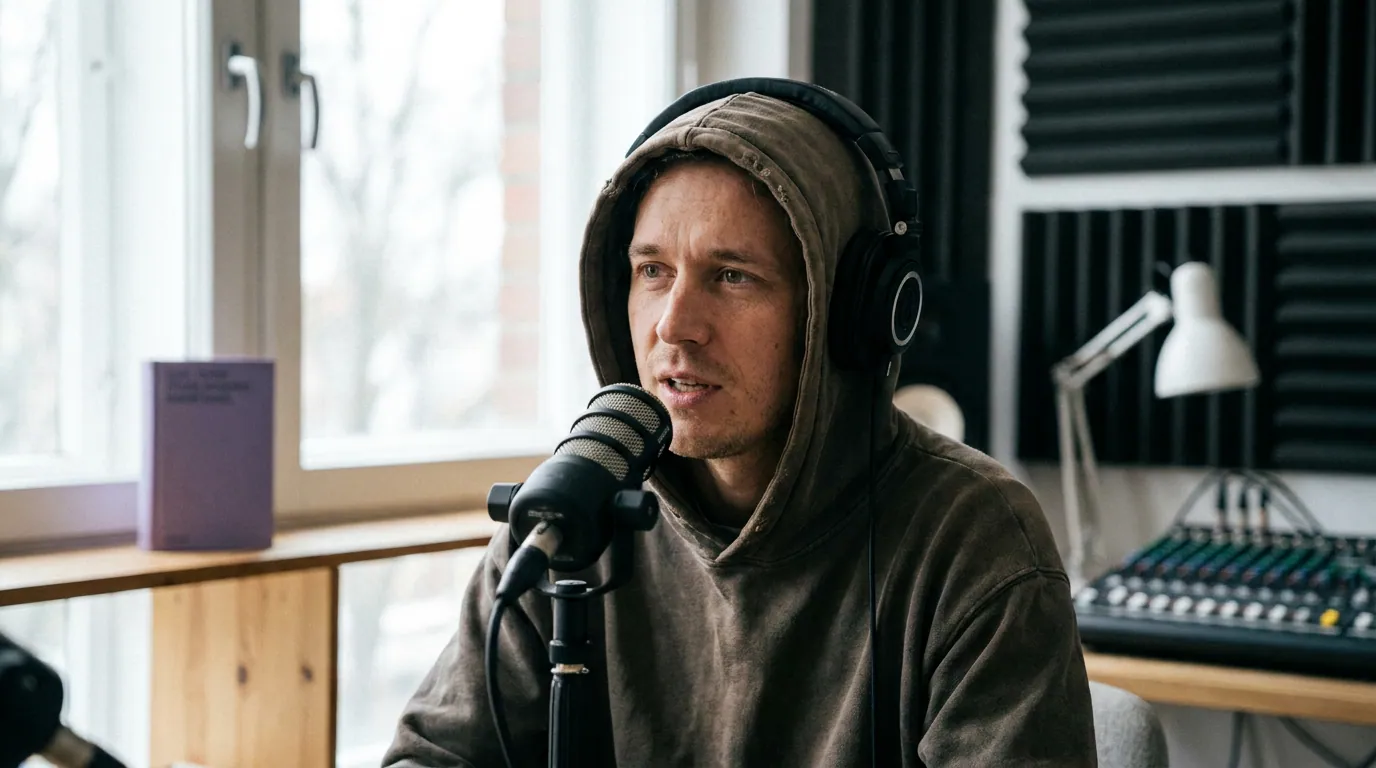
Horror and paranormal shows have a devoted, re-listening audience and a built-in advantage on short form: the genre is designed to make you feel something fast, which is exactly what a feed rewards. Clips drive an estimated 20–40% of new-audience acquisition for video shows and can raise discovery reach 2–5× (Podcast Studio Glasgow; single-studio figures, treat as directional, not a guarantee). For a horror show, a clip that genuinely unsettles someone in 30 seconds is the most honest possible preview of the full episode.
The catch is volume on the other side of the screen. Short-form clipping has grown into its own paid economy, with freelancers and agencies flooding TikTok, Reels, and Shorts with podcast clips, and a single clip routinely out-reaching the episode it came from. In a feed that crowded, a horror clip that explains itself, that plays the build, delivers the scare, and ties it off, is a story the viewer has already consumed, with no reason to find the rest. The clips that pull people to the episode are the ones that leave them still bracing.
The anatomy of a dread clip
A horror clip that unsettles has four parts, and the editing job is to keep all four in order, then stop before the fifth. Skip a part and the clip flattens in a predictable way. Here is the structure and what each part is doing.
Quiet open, establish the room. Horror needs a normal it can break. A few seconds of an ordinary scene, a quiet house, a routine drive, a calm retelling, gives the dread something to grow against. Don't open on the scary moment; open on the calm right before it. On a feed this is also your hook second: a low, controlled voice saying "this is the part I still can't explain" sets the floor.
The build, detail, pacing, wrongness. This is the engine. The build is where the host lowers the volume, slows down, and adds the specific detail that's slightly off: the door that was locked, the third set of footsteps, the timestamp that doesn't fit. Keep the pacing intact. The most common horror-clip mistake is speeding through the build to "get to the scary part," which removes the very thing that makes the scary part scary.
The dread beat, the peak before the reveal. This is your out-point. It's the highest tension the moment reaches before anything is explained or shown: the breath before the line, "and that's when I realized I wasn't alone in the,." Cut there. The dread beat is not the scare; it's the instant before it, when the listener's imagination is doing more work than any reveal could.
The held silence, about a second, then cut. Leave roughly a second of silence or held breath after the dread beat, then end. That beat lets the unease settle instead of snapping off mid-tension. It's the horror equivalent of the comedic pause, except here the silence isn't the laugh, it's the chill. End too tight and the clip feels clipped; hold one beat and it lingers.
The dread-beat cut rule
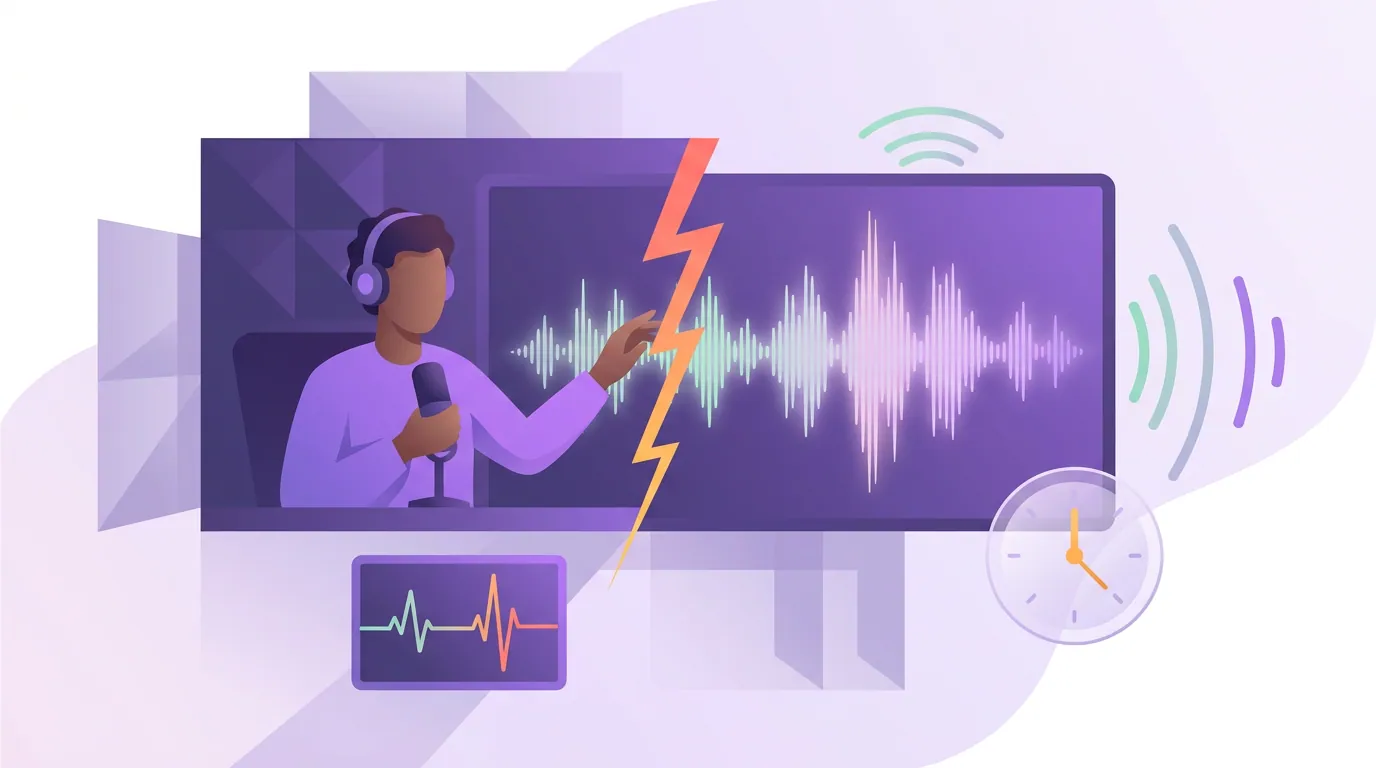
Cut on the dread beat, the peak of the build, one breath before the reveal, and never include the explanation, the debunk, or the "what it turned out to be." The reveal is the relief, and relief is the opposite of what a horror clip is for. The moment you tell the viewer what was in the room, the tension collapses and the only people left curious are the ones who already weren't scared.
This is the inverse of how editors are trained to think. Most clipping advice says "land the payoff." For comedy that's right, you push the out-point past the punchline to catch the laugh (clipping comedy without killing the joke covers that). For horror it's wrong. The payoff is the dread itself, which peaks before the reveal, not after it. If your tool or your instinct keeps pulling the out-point forward to include the resolution, fight it. The general method for moving these cut points is in how to fix bad AI clip cut points; for horror, the fix is almost always "pull the out-point earlier, before the reveal."
A test that works: watch your cut and ask, "do I feel relief at the end?" If yes, you cut too late, you handed the viewer the resolution. If you feel a small residual unease, you cut on the dread beat. That lingering discomfort is the whole reason someone taps through to the episode.
Why audio carries the payoff, not the visual
In horror, the scare lives in sound and silence, the lowered voice, the pause, the detail delivered flat, far more than in anything on screen. A video podcast clip of someone calmly narrating is visually static; nothing in the frame is frightening. What unsettles is the audio: how the line is delivered, what's left unsaid, the quiet that follows. So the cut has to protect the audio shape of the moment even more than the picture.
This collides with a hard reality of the feed: most social video is watched on mute, a directional figure put at roughly 85% by Digiday back in 2016, with later studies landing anywhere from about 69% to 85%, so treat it as a range. For most niches the takeaway is "captions are mandatory." For horror it's that plus a harder problem: your strongest asset, the delivery and the silence, is exactly what a muted viewer loses. You have to win twice, once on sound and once silent.
The practical edits:
- Carry the dread in the captions, not just the voice. Word the captions so the build reads as ominous on its own. A flat line like "I heard it again, in the same place" should land cold, with no audio. If the line only works when you hear how it's said, pick a different out-line or rewrite the on-screen text to do the work.
- Let the held silence show on screen. Capturing attention in the first three seconds is associated with stronger engagement (castmagic; directional), and on mute a held, still expression with a tightening caption can carry that tension where sound can't. Don't fill the silence with motion or a caption that resolves it.
- Don't let auto-silence-removal eat the pauses. Many clippers strip "dead air" by default. In horror the pauses are the performance. If your tool removes silences automatically, turn it off for this niche, or you'll ship clips that race past every beat that made the moment frightening.
Common horror-clip mistakes (and the fix)
Including the reveal. The big one. The clip plays the build, delivers what was in the room, and ends, leaving nothing to chase. Pull the out-point back to the dread beat, before any explanation. If you fix only one thing, fix this.
Rushing the build. Cutting the slow, quiet stretch to "get to the scary part" removes the tension the scary part depends on. Keep the pacing; the build is the asset, not the runway.
Opening on the scare. Starting cold on the frightening moment gives the dread nothing to grow against. Open on a few seconds of calm normal, then break it.
Trimming the held silence. Auto-silence-removal cuts the breath after the dread beat because it scans as dead air. It's the chill. Disable it for horror or restore the beat by hand.
Captions that resolve the fear. A caption that over-explains, "but it was just the cat", kills the clip even if the audio didn't. Word the on-screen text to keep the unease, and never let the captions answer the question the audio left open.
The principle generalizes: the genre decides the cut. A true crime clip lives on where it ends for maximum suspense, one beat before the answer. A comedy clip lives on the laugh after the punchline. A horror clip lives on the dread before the reveal. Once you know how AI clip detection actually works, that it finds the energy peak, which in horror is often the scare itself, you know why these clips need the out-point pulled back every time, and how to pick the best AI-suggested clips gives you the wider rubric for judging them before you commit.
FAQ
Where should a horror podcast clip end? On the dread beat, the peak of the build, one breath before the reveal, followed by about a second of held silence, then cut. Never include the explanation or what the thing turned out to be. The relief of a reveal collapses the tension; the lingering unease is what makes a viewer tap through to the full episode.
How is clipping horror different from clipping true crime? True crime withholds a fact and cuts on an open question the brain wants answered. Horror withholds resolution of feeling and cuts while the dread is still rising. True crime's hook is a denied answer; horror's hook is denied relief. Same instinct to stop early, but the horror cut sits earlier, before any reveal.
Do horror clips work if most people watch on mute? They can, but it's harder, because the delivery and silence that carry the fear are lost without sound. Word the captions so the build reads as ominous on its own, let the held silence show as a still, tense frame, and never write a caption that resolves the fear. Win it twice, with sound and silent.
Should I keep the slow, quiet parts of the story? Yes. The slow build is the engine of dread, not filler. Cutting it to reach the scary moment faster removes the tension the moment depends on. Keep the pacing intact, including the pauses, and let the calm stretch make the break land.
Do AI clippers work for horror and paranormal podcasts? They find the moment well, the scare is an energy peak, which detection handles, but the cut points usually need fixing. The tool tends to include the reveal because that's where the energy is. Use it to surface the tense moments fast, then pull every out-point back to the dread beat yourself before posting.