
How to Start a Mental Health Podcast Safely


Start a mental health podcast by deciding two things before you buy a mic: where your line sits between sharing your own experience and giving clinical advice, and what you'll do every time an episode touches suicide, self-harm, or crisis. Pick a narrow angle, write a content-warning and crisis-resource standard, and follow the same responsible-reporting rules journalists use. The gear is the easy part.
This guide is the part most "how to start a podcast" posts skip. The microphone-and-hosting checklist applies to any show. What makes a mental health show different is that a careless episode can genuinely hurt a listener, and a thoughtful one can be the reason someone reaches out for help. So we'll spend most of our time on the safety framework, then cover the practical setup at the end.
One disclaimer up front, since it sets the tone for everything else: I produce podcasts; I am not a clinician. The clinical guidance below is sourced from suicide-prevention organizations and cited inline. If your show will give health advice, bring a credentialed expert into the room, that is not optional, and it's the first rule of the framework.
Why the mental health niche needs guardrails the others don't
This category is growing fast, and that's exactly why the bar is higher. Spotify's 2025 data shows interest in wellness and spirituality content grew roughly 30% year over year, with mental health and psychology shows among the genre's biggest engagement gainers (Reader's Digest, reporting Spotify Wrapped 2025). More shows, more listeners, more first-time hosts wading into heavy topics without a plan.
Here's the honest part most growth advice glosses over: virality and a sensitive topic are an uneasy pair. A clip that travels because it's raw and emotional can also strip the safety context that made the full conversation responsible. You can grow a mental health show. You just can't grow it the way a comedy or true-crime show grows, by chasing the most extreme moment. We'll come back to that when we talk about clips.
The base rate for any new show is sobering before you add a hard topic: roughly 47% of podcasts stop at three episodes or fewer Amplifi Mediaanalysis of podfade data). A mental health show needs a sustainable plan as much as it needs an ethical one, burnout from over-promising depth every week is real.
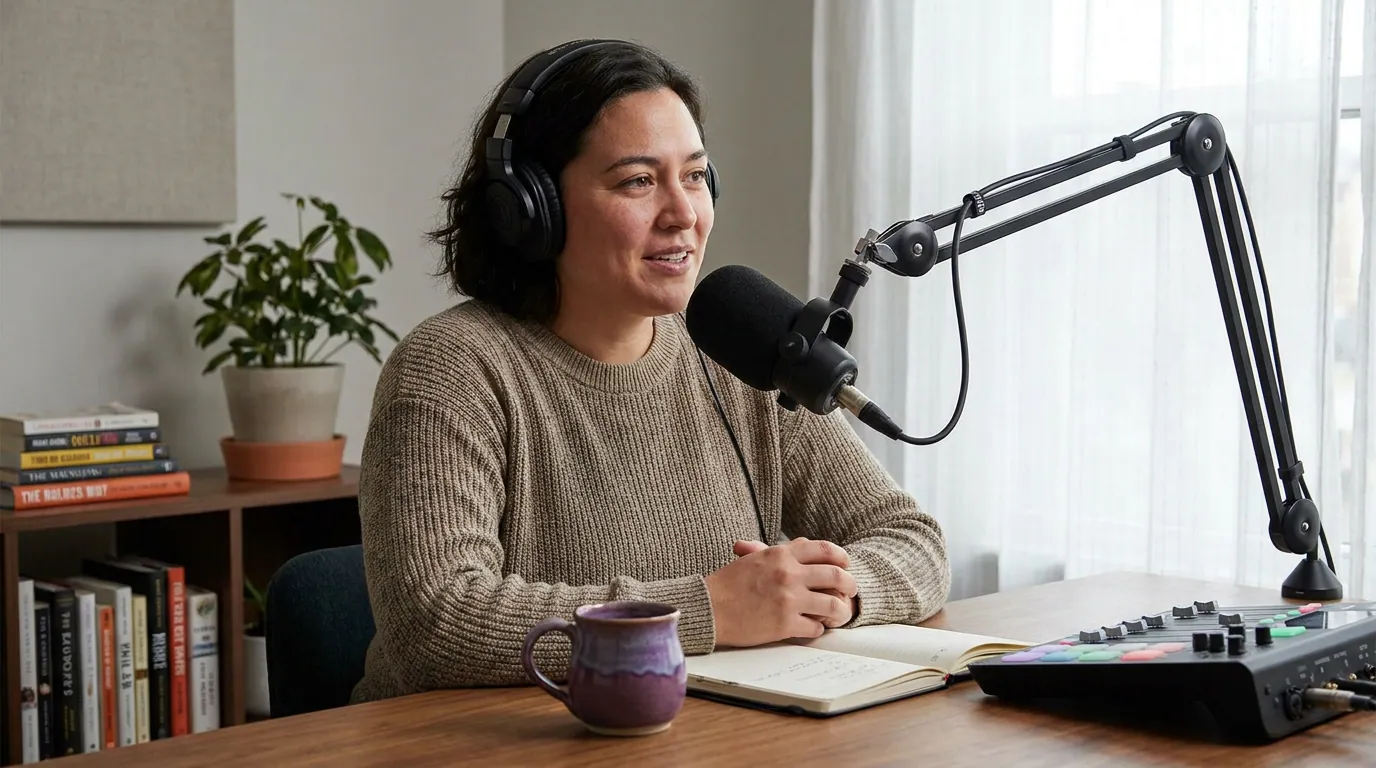
The duty-of-care line: sharing vs advising
The single most important decision you'll make is where you sit on one line: sharing your own lived experience is yours to give; clinical advice is not, unless you hold the credential. "Here's what my anxiety felt like and what helped me" is your story. "Here's how to treat your anxiety" is a clinical claim. The first is the heart of the genre. The second is a liability and, more importantly, a way to hurt someone who takes general advice as a personal prescription.
Three formats let you cover real clinical ground while staying on the safe side of that line:
- Expert-led. You host; a licensed therapist, psychiatrist, or researcher provides the clinical content. You stay the curious lay interviewer. This is the cleanest structure for a beginner and the one I'd recommend by default.
- Lived-experience interview. You interview people about their own journeys. The content is testimony, not treatment. Your job is to hold the space and apply the safety rules below, not to advise.
- Co-host with a clinician. One credentialed voice, one peer voice. Powerful, but the clinician sets the standard for any clinical claim that airs.
Whichever you pick, put a plain spoken disclaimer in your standard intro or outro: this show is for information and shared experience, not a substitute for professional care, and here is how to get help. Say it on the mic, and repeat it in your show notes.
Pick a narrow angle, not "mental health"
"A mental health podcast" is not a show; it's a category with thousands of entries. The shows that grow pick a defined lane: a specific population (men's mental health, new parents, healthcare workers), a specific condition area (anxiety and OCD, grief, ADHD), or a specific format (a clinician answering listener questions, recovery interviews, a couple processing therapy together).
A few starting points if you're stuck on mental health podcast ideas:
- A weekly "ask a therapist" episode built around real listener questions (screened for safety).
- A grief or loss show that interviews one person per episode, well after the acute period, more on timing below.
- A workplace-burnout show for a specific industry you actually know.
- A "things therapy taught me" solo-reflection format, framed strictly as your experience.
Narrow wins twice. It's easier to be genuinely useful, and it's easier to be safe, a focused show knows exactly which crisis resources and warnings its audience needs.

Talking about sensitive topics: the responsible-reporting rules
When an episode touches suicide or self-harm, you're not just a host anymore, you're a publisher with the same responsibilities a newsroom carries. The evidence here is not soft: research shows that how suicide is portrayed in media can either raise the risk of contagion or reduce it, depending on how it's done (American Foundation for Suicide Prevention, Ethical Reporting Guidelines). These rules come straight from AFSP and Reporting on Suicide, and they apply to your podcast as much as to a TV broadcast.
The single most actionable rule is the easiest: fix your language. Specific words are known to increase harm, and there are direct, non-stigmatizing replacements.
Beyond language, four rules carry most of the weight:
- Never describe method or location. Detailing how a suicide happened measurably increases contagion risk (AFSP). If a guest starts down that path, gently redirect, and edit it out in post. This is the one rule you do not improvise around.
- Don't oversimplify the cause. "He did it because he lost his job" is both inaccurate and harmful, no one dies by suicide for a single reason (Reporting on Suicide). Talk about risk factors and complexity instead.
- Lead with hope and recovery. Coverage that shows help is available and recovery is possible reduces risk and encourages help-seeking (AFSP). Recovery stories, told by people who've come through it, are protective, not just inspirational.
- Interview with care, and mind the timing. Don't interview someone about a loss or attempt in the immediate aftermath; let time pass so they can tell it from a place of stability (AFSP). For clinical accuracy on any claim, get a mental health professional on the record.
Build a content-warning and crisis-resource system
Two pieces of standard production turn good intentions into a repeatable safety practice. Build them once, use them on every relevant episode.
Content warnings. A clear warning at the very top of any episode that discusses suicide, self-harm, eating disorders, abuse, or similar, before the cold open, not buried two minutes in. Keep it short and specific: "This episode discusses suicide and self-harm. Take care of yourself, and resources are in the show notes." Put the same warning at the top of the episode description and on the clip thumbnail if you post one.
A crisis-resource segment. End every sensitive episode the same way, with the resources read aloud and pinned in your notes. The standard language recommended by suicide-prevention organizations is worth using close to verbatim:
"If you are in crisis, please call, text, or chat with the 988 Suicide and Crisis Lifeline, or contact the Crisis Text Line by texting TALK to 741741."
The 988 Suicide and Crisis Lifeline is free, confidential, and available 24/7 across the US; callers can press 2 for Spanish or, for veterans, press 1. Localize it for your audience: if a meaningful share of your listeners are outside the US, name their country's equivalent line too. For your show notes, post the 988 information at the top of the description and in the first pinned comment on any social post about a sensitive episode, that's the placement 988's own press guidance recommends.
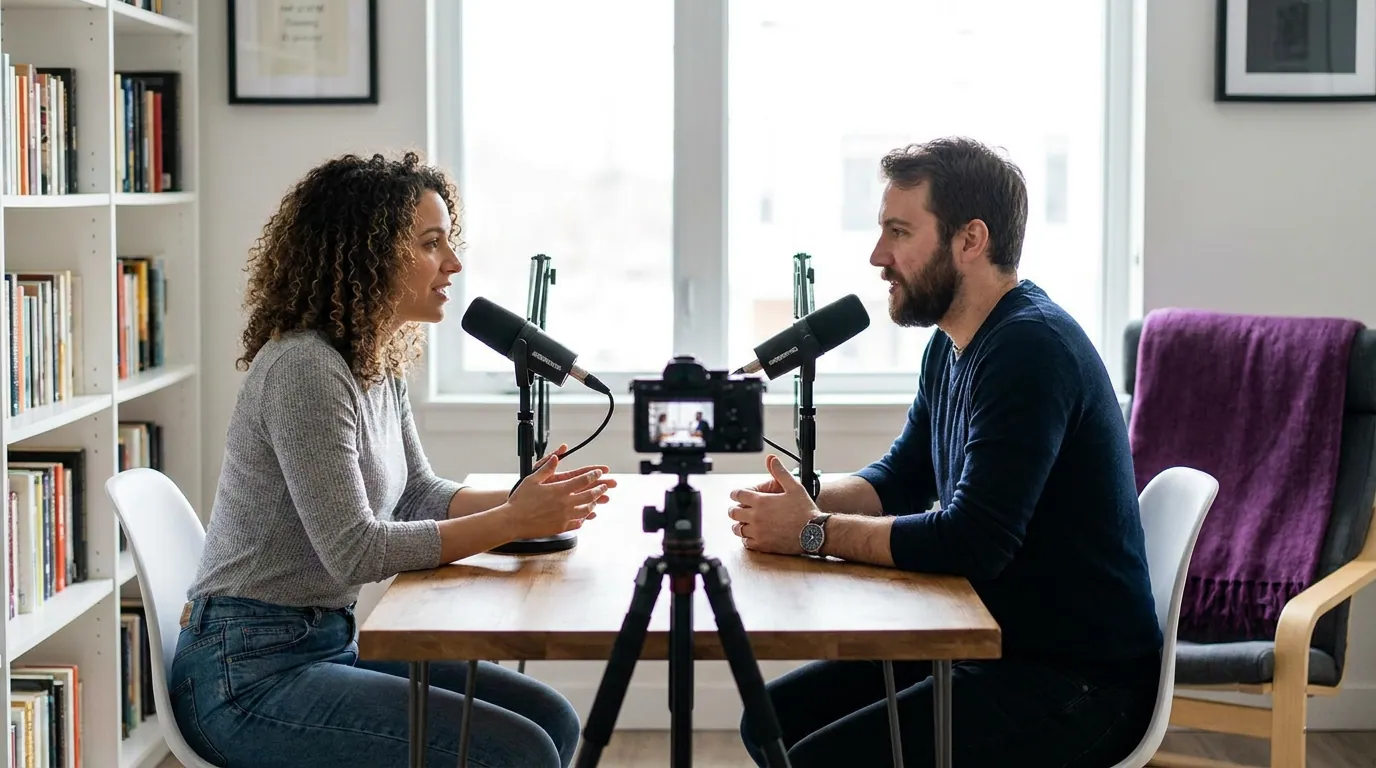
The four-question safety gate
Before any sensitive episode ships, run it through one gate. This is the framework to actually use, print it, tape it to your monitor.
Common mistakes, and the fix
These are the ones I see new mental health hosts make most:
- Treating a content warning as a disclaimer dump. A 90-second legal-sounding intro doesn't warn anyone; it gets skipped. Fix: one specific sentence naming the topic, at the very top.
- Clipping the most extreme 30 seconds. The emotional peak of a sensitive conversation is usually the moment that needs the most context. A clip that travels without it can do real harm and misrepresent your show. Fix: clip the recovery, the insight, or the resource, not the crisis. Keep the content warning on the clip and the 988 line in the caption.
- Letting a guest free-associate about method. Even a well-meaning guest may describe specifics. Fix: brief them before recording on the no-method rule, and edit anything that slips through.
- Skipping the expert because booking is hard. General mental health "advice" from an uncredentialed host is the riskiest content you can publish. Fix: book the expert, or reframe the episode strictly as your own experience.
- Promising weekly depth, then burning out. Heavy topics every week is a fast track to the three-episode cliff. Fix: mix lighter format episodes between the heavy ones, and batch-record when you have energy.
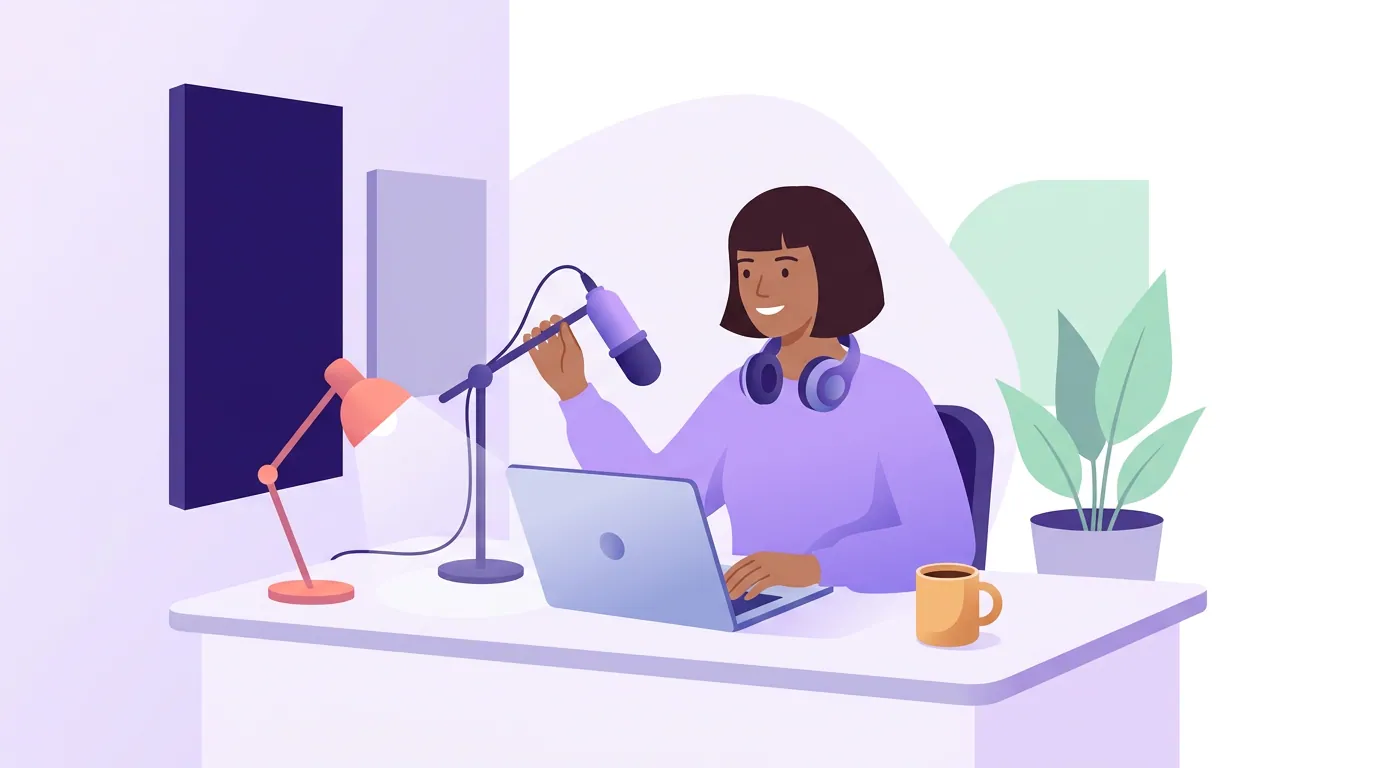
The practical setup (the easy part)
Once the safety framework is in place, the production is the same as any conversational show. A mental health podcast is intimate and voice-forward, so audio quality matters more than video polish. You don't need much:
- A decent USB or XLR mic. The jump from a laptop mic to a $70–$100 dynamic mic is the biggest quality gain you'll ever buy. See the best podcast mics by budget tier and the best budget podcast mic under $100 for specific picks.
- A quiet, soft room. A closet with clothes or a room with a rug beats an empty studio with bad treatment. Good technique in a treated room matters more than expensive gear.
- A hosting plan and a recording tool. Any reputable host works; record locally or with a remote-recording app if you interview guests.
For the show itself, the niche-start logic is the same one true-crime, business, and fitness hosts use, pick the lane, set the standard, stay consistent. If you want to see how other niches handle their own version of this, the true crime start guide is built around a near-identical safety-and-sourcing discipline, and the business podcast guide, comedy podcast guide, and fitness podcast guide cover the cadence-and-format side.
FAQ
Do I need to be a therapist to start a mental health podcast? No. Plenty of strong shows are hosted by people sharing lived experience or interviewing experts. What you can't do without a credential is give clinical advice, treatment recommendations, medication guidance, or diagnosing listeners. Stay on the experience side of the line, and bring a licensed professional in for the clinical content.
How do I talk about suicide on a podcast safely? Follow the same responsible-reporting rules journalists use: never describe method or location, don't oversimplify the cause, use non-stigmatizing language ("died by suicide," not "committed suicide"), lead with hope and recovery, and read crisis resources like the 988 Lifeline at the end (AFSP). Edit out anything that slips past those rules.
What crisis resources should I include in show notes? At minimum, the 988 Suicide and Crisis Lifeline (call, text, or chat) and the Crisis Text Line (text TALK to 741741), plus your audience's local equivalents if they're outside the US (988 Lifeline). Pin them at the top of the episode description and in the first comment on any social post.
Is the mental health podcast niche too crowded to start now? It's competitive, but a narrow, well-defined angle still finds an audience, and the category is still growing, with wellness and psychology among the fastest-rising genres (Reader's Digest / Spotify 2025). Pick a specific population or condition area rather than competing for "mental health" broadly.
How do I promote a sensitive show without exploiting the topic? Clip the insight, the recovery, or the practical resource, not the rawest moment of crisis. Keep the content warning on the clip and the 988 line in the caption. Growth and responsibility aren't opposed; chasing the most extreme moment is what puts them in conflict.
This article is for information, not clinical or legal advice. If you or someone you know is struggling, contact the 988 Suicide and Crisis Lifeline (call or text 988) or text TALK to 741741.