
How to Price and Structure Podcast Membership Tiers


Build three tiers, roughly $5, $10, and $25 a month, make the $10 tier the obvious best deal, and load every tier with perks that cost you almost nothing to deliver. Three is the right number because it anchors the price: the cheap tier makes the middle look reasonable, the expensive tier makes the middle look like a bargain, and most people pick the middle. Price the perks before you promise them.
That is the whole strategy in two sentences, and most shows get it wrong in the same two ways: too many tiers, and perks that quietly eat the revenue. This guide gives you a copy-able 3-tier model with the anchoring logic spelled out, a worksheet that sorts every reward by what it actually costs you, and the platform-fee math you need so the price you charge is not the money you keep.
What should podcast membership tiers cost?
For most independent shows, three tiers at about $5, $10, and $25 per month covers the field. Set $5 as the low-friction entry, design $10 as the tier you actually want people on, and use $25 as a high anchor that a small slice of superfans will choose. Patreon's own guidance points to $5 as a sensible entry point, then a $10+ tier with more access as you grow.
Those numbers are not arbitrary. Podcasts are now Patreon's biggest content category, podcasters there earned $629 million in 2025, up 33% year over year, across 7.6 million paid memberships (Variety, Apr 2026). Divide one by the other and the average paid membership runs roughly $7 a month before fees, which tells you the real action sits between the $5 and $10 marks, not at the high tiers people fantasize about. Price for the $7 reality, then give a few superfans a reason to pay more.

Why does the middle tier matter most?
The middle tier matters because it is the one most people buy, and that only happens if you design it to be the obvious best value. Flanking it with a cheaper, thinner tier and a pricier, fuller tier is the anchoring move: the $5 sets a floor, the $25 sets a ceiling, and the $10 in between reads as "the sensible one." Build the show around that tier's economics.
This is decision psychology you can use without manipulating anyone. When people face three options, they avoid the extremes and gravitate to the middle, a pattern marketers call the compromise effect. Your job is to make sure the middle option is genuinely the best deal, not a trap. The cheap tier should feel slightly bare on purpose. The top tier should feel generous but aimed at a specific kind of fan (the one who wants access to you, not just more content). The middle should be where the value curve bends sharply upward.
A practical rule: the jump from $5 to $10 should add more perceived value than the jump from $10 to $25. If your tiers are a flat staircase, each one a little more for a little more, nobody is pulled toward the middle. Make the second step the steepest. That is the single design choice that moves the most members onto the tier whose math you actually planned for.
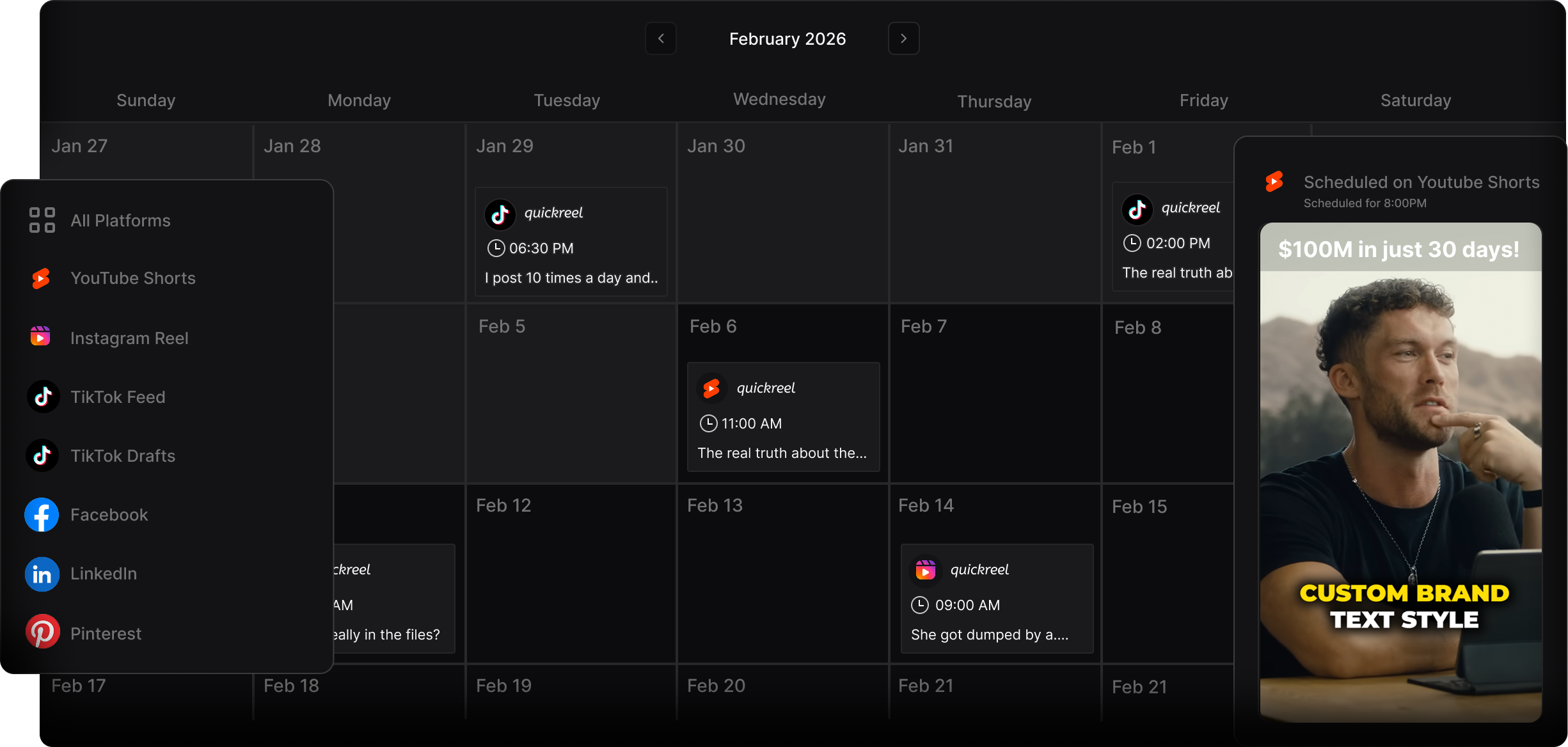
How to structure the perks (the perk-to-cost worksheet)
Sort every reward into one of three buckets before you promise it: zero marginal cost, fixed cost, and per-member cost. The first two scale; the third does not. The fastest way to kill a young membership is to promise a perk in the third bucket, handwritten postcards, one-on-one calls, physical merch, to a tier that then grows faster than your hours or budget.
Here is the worksheet. Run each perk idea through it and you will catch the margin-killers before a member is ever charged.
The pattern that protects you: fill the lower tiers almost entirely from the green column. Ad-free feeds, early access, the back catalog, bonus audio, and a community cost you nothing extra per member, so a thousand new members at $5 is pure upside. Put the fixed-cost perks (a monthly bonus episode, a live hangout) in the middle tier, they cost time, not money, and that time is the same whether ten or ten thousand people are on the tier. Quarantine the per-member-cost perks in the top tier, and cap the seats if you have to: "name in the credits, limited to 100 producers" is honest scarcity that also protects your margin.
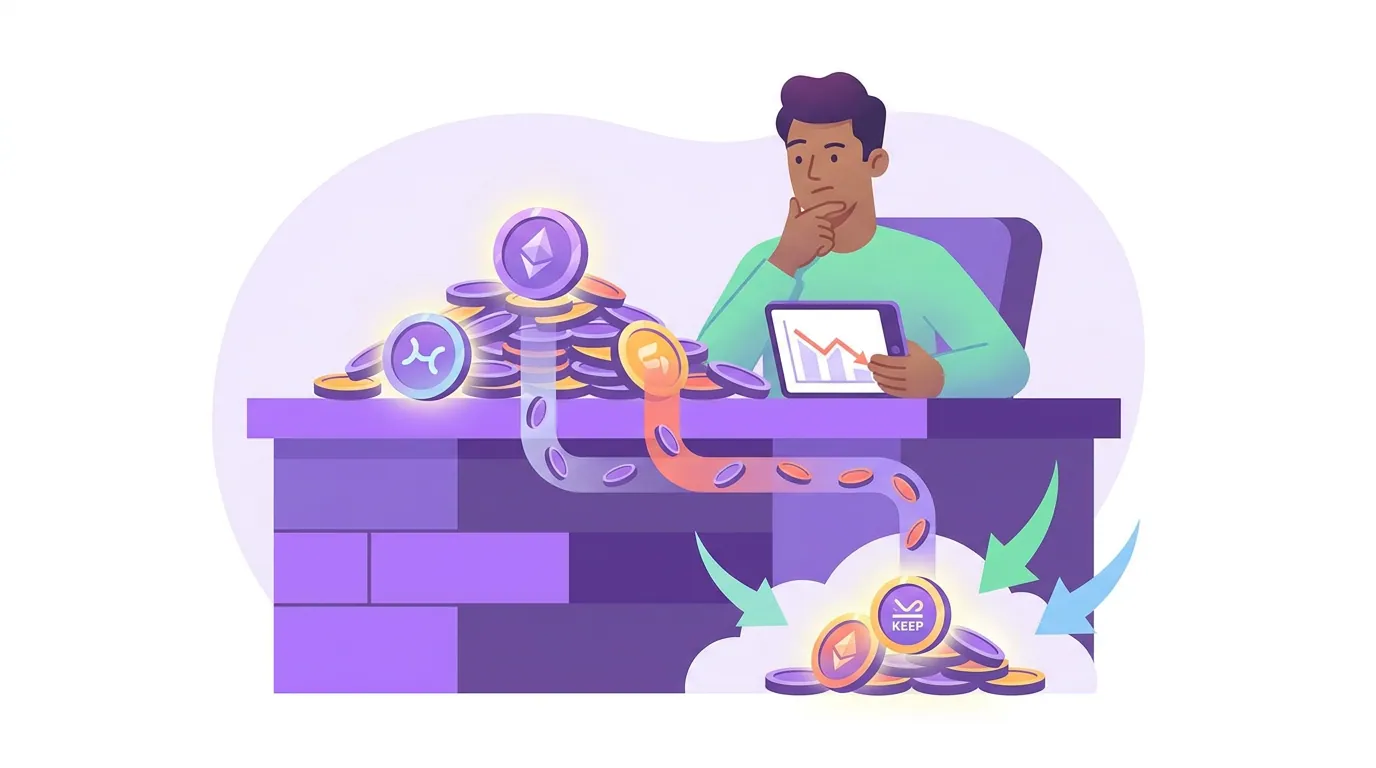
The fees nobody mentions: what you actually keep
The price on the tier is not the money in your account. Platform and processing fees take a real bite, and the bite is proportionally worse on cheap tiers because the fixed per-transaction fee is a bigger share of a small pledge. Plan around your net, not your gross.
On Patreon, new creators who publish after August 4, 2025 are on a flat 10% platform fee (Patreon, effective Aug 2025); legacy creators may still pay 5%, 8%, or 11% depending on their old plan (Patreon creator fees overview). On top of that sit payment processing (roughly 2.9% + $0.30 on standard pledges, higher in percentage terms on $3-and-under "micropayment" tiers), a 2.5% currency-conversion fee on cross-currency payments, and, if a member signs up inside the iOS app, Apple's 30% in-app cut, which Patreon offsets by raising iOS prices about 43%.
| Platform | Cut on subscription revenue | Note |
|---|---|---|
| Patreon (new creators) | 10% + processing | ~$8.40 kept on a $10 pledge before payout fees |
| Apple Podcasts Subscriptions | 30% year one, 15% after | $19.99/yr program fee; $0.49 min price (Apple) |
| Spotify subscriptions | 100% to creator minus processing | Eligibility thresholds apply; verify current terms |
The takeaway is not "avoid fees", you cannot. It is that a $5 tier nets you closer to $4 after everything, and a $1–$3 tier can lose a third or more of its face value to the fixed processing fee. That is the real reason to make $5 your floor rather than $1. Cheap-looking tiers feel generous and quietly keep almost nothing.
Common mistakes that sink memberships
- Too many tiers. Five or six tiers paralyze the buyer and bury your hero tier. Three is the sweet spot; four if you have a genuine free or $1 "tip jar" tier at the bottom. More than that and you are doing the buyer's deciding for them, badly.
- A flat value staircase. If each tier is a small step up for a small price up, nothing pulls people to the middle. Make the $5→$10 jump feel like the best deal on the page.
- Promising per-member-cost perks too low. Handwritten cards at the $5 tier is a trap that springs the moment you succeed. Keep column-three perks at the top, capped.
- Pricing for the fantasy, not the $7 reality. The average paid membership runs around $7/month (Variety, Apr 2026); designing entirely around $25 whales leaves most of your revenue on the table.
- Launching membership before you have anyone to sell to. Roughly 47% of podcasts stop at three episodes or fewer Amplifi Media; a paywall on episode four converts no one. Build the audience and the email list first, then open the doors.
Where membership fits in your growth plan
Membership is a back-end you turn on after a front-end exists. The front end is consistent episodes, a discovery engine (clips and search), and an audience you own outright, your email list, where you can announce a launch without an algorithm in the way. Start with a podcast email list from zero, because the inbox is the channel that actually converts a launch, and pair it with the welcome sequence that warms new subscribers before you ever pitch a tier.
The members themselves arrive through discovery. Most people find your join page after a clip pulled them into an episode, so the lead magnets that earn the email signup and a steady clip cadence do the recruiting; the tiers just monetize the relationship once it exists. If your show grows through people rather than raw downloads, the community side matters as much as the price, setting up a Discord for your listeners gives the middle and top tiers a reason to stay. And whatever you launch, make the pitch a single clear ask: the same discipline in podcast calls-to-action that listeners actually follow applies to "join the membership" as much as "leave a review." For interview-driven shows, the guest-first growth playbook feeds the audience that a membership later serves.
FAQ
How many membership tiers should a podcast have? Three for most shows: a low-friction entry around $5, a hero tier around $10, and a high-anchor tier around $25. Three is enough to anchor the price and steer buyers to the middle without overwhelming them. Add a fourth only if it is a free or $1 tip-jar tier at the very bottom.
What is the best entry price for a podcast membership? $5 a month for most independent shows. It clears the fixed processing fees that gut $1–$3 tiers, matches Patreon's own entry-price guidance, and sits near the ~$7 average paid membership (Variety, Apr 2026). Below $5, you keep surprisingly little after fees.
How much does Patreon take from podcast memberships? New creators who published after August 4, 2025 pay a flat 10% platform fee plus payment processing (Patreon, Aug 2025). Legacy creators may pay 5%, 8%, or 11%. Add ~2.9% + $0.30 processing, a 2.5% currency-conversion fee where it applies, and Apple's 30% cut on iOS signups.
What perks should I put behind a podcast paywall? Lead with zero-marginal-cost perks, ad-free feeds, early access, the back catalog, bonus audio, and community, because they scale to any member count for free. Reserve time-cost perks (a monthly bonus episode, a live hangout) for the middle tier, and keep per-member-cost perks like merch or 1:1 calls at the top, capped.
Should I launch membership on Patreon, Apple, or Spotify? Patreon if you want the richest tier and community tools and a podcast-native audience; Apple Podcasts Subscriptions if your listeners live in the Apple app and you accept the 30%-then-15% cut; Spotify if your audience is there and you want to keep nearly all revenue. Many shows run Patreon plus one in-app option. Verify each platform's current terms before you commit.