
Podcast Guesting Mistakes That Kill the Re-Invite


The guesting mistakes that end future bookings are rarely the dramatic ones. They're rambling past the question, plugging your product four times, answering in summaries instead of stories, showing up with bad audio, and then never sharing the episode. None of these gets you cut off mid-recording. Each one quietly makes the host decide not to book you again.
That second decision is the one almost no guest thinks about, and it's where the real cost lives. A host can salvage one weak appearance in the edit. What they can't get back is the time, and the next time the calendar opens they reach for the guest who made the episode easy, not the one who made it work. Below are the seven mistakes that move you from the first column to the second, each with the host's-eye reason it matters and the exact fix.
What is the biggest mistake podcast guests make?
The biggest mistake is rambling, answering a two-minute question with a six-minute monologue that buries the one good line under four minutes of throat-clearing. It exhausts the host, wrecks the pacing, and leaves nothing clean to clip. Hosts forgive almost everything before they forgive a guest who won't land the plane.
Rambling tops the list because it fails on every axis a host cares about at once. It makes the conversation harder to steer, the episode harder to edit, and the best moments impossible to lift out and share. A tight, vivid guest does the host's job for them; a rambler hands them homework. That single contrast, easy versus homework, is the lens behind every mistake here.
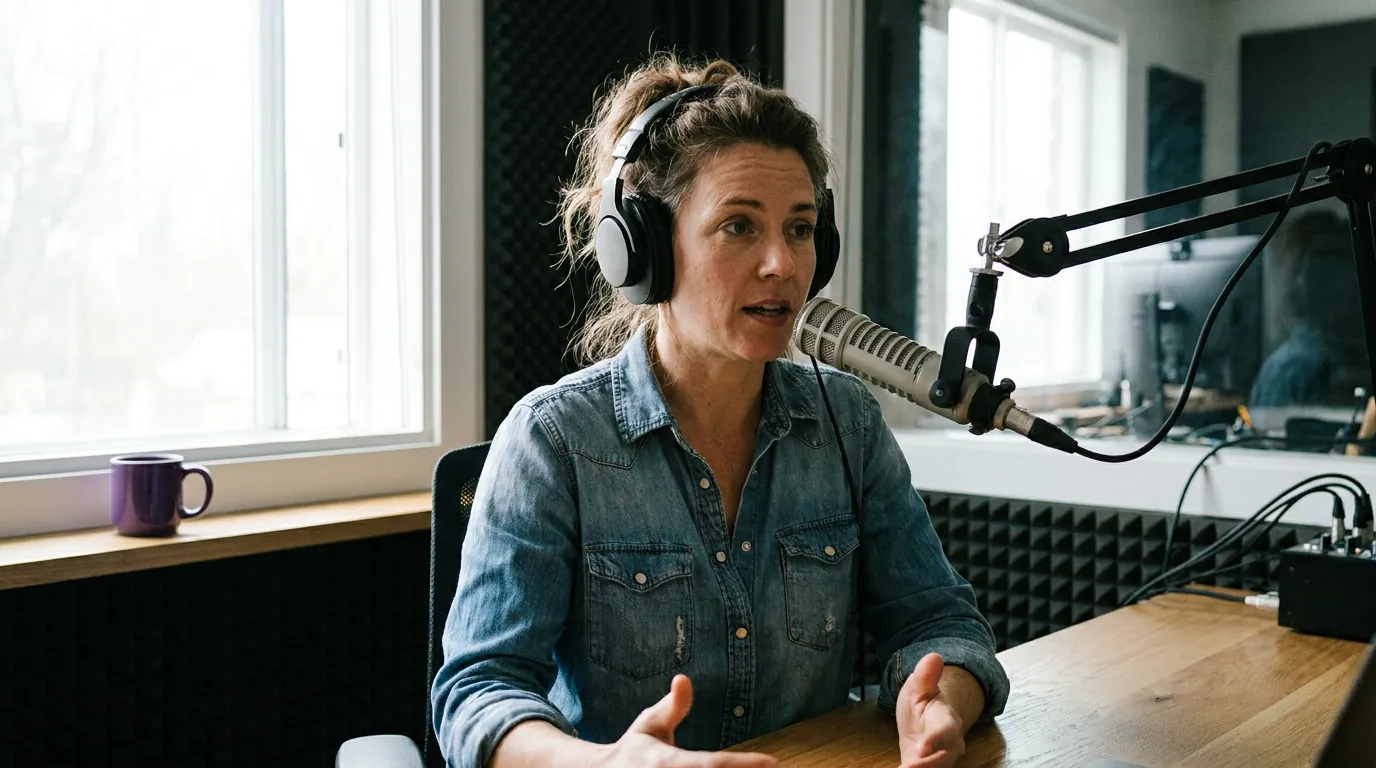
On-mic delivery: the three that make you hard work
1. Rambling with no edit button. The host asks a clean question and you take the scenic route, backstory, caveats, a tangent, then finally the point, if you remember it. Host's-eye view: every long answer is something they now have to cut, and a guest who can't self-edit makes a two-hour edit out of a one-hour record. Fix: answer the question in your first two sentences, then expand only if it earns it. Aim for answers of 60 to 90 seconds. If you feel yourself drifting, stop and ask, "Does that answer it, or do you want me to go deeper?" Hosts love that line because it hands them the wheel.
2. Summaries instead of stories. Asked how you grew the business, you say "consistency and a great team", true, useless, and forgettable. Host's-eye view: abstractions don't travel. A host knows the moments that get shared are specific scenes with a number, a name, and a turn, and a guest who only deals in lessons gives them nothing to post. Fix: answer with a scene. Not "we focused on retention" but "we lost 40% of customers in month two, so I called the next thirty who churned, and the fourth call told me exactly what was broken." Same point, but now it's a clip. Stories are the single thing that separates a guest a host remembers from one they don't.
3. Bad audio or video. You join on laptop mic in a kitchen with an echo, or your camera points up your nose under a ceiling light. Host's-eye view: this is the one that gets a guest privately blacklisted, because no amount of good content survives audio the listener can't stand. A host can fix a weak answer; they cannot un-blow-out your levels. Fix: use any dedicated mic, even a $70 USB mic beats a laptop, in a soft, quiet room, with a wired connection and headphones on so you don't echo. Test it on the pre-interview call rather than the first time the host hears you. If you guest regularly, treat decent audio as the price of admission, not a nice-to-have.
The self-promotion problem: the two that burn the audience
4. Over-plugging. You mention your product in the intro, again at minute ten, again unprompted at minute thirty, and once more on the way out. Host's-eye view: the host lent you their audience's trust, and you spent it on yourself. They hear the listeners they'll lose. Fix: earn one mention by being genuinely useful for forty minutes, then let the host invite the plug, they always do at the end. One clear, specific pointer ("the framework is free at the link, no email needed") lands harder than four scattered ones and costs the host nothing.
5. Treating the whole thing as an ad. Worse than over-plugging: every answer bends back toward your offer, so the conversation is a forty-minute sales call wearing an interview's clothes. Host's-eye view: the host feels used, and so does the listener, and both remember it. This is the fastest route to a polite "we'll be in touch" that means never. Fix: go in to teach, not to sell. Give away your best material, the thing you'd normally gate, because generosity is what makes an audience trust you, and trust is what eventually sends them to your link. The guests who give the most get re-invited the most. It's not close.
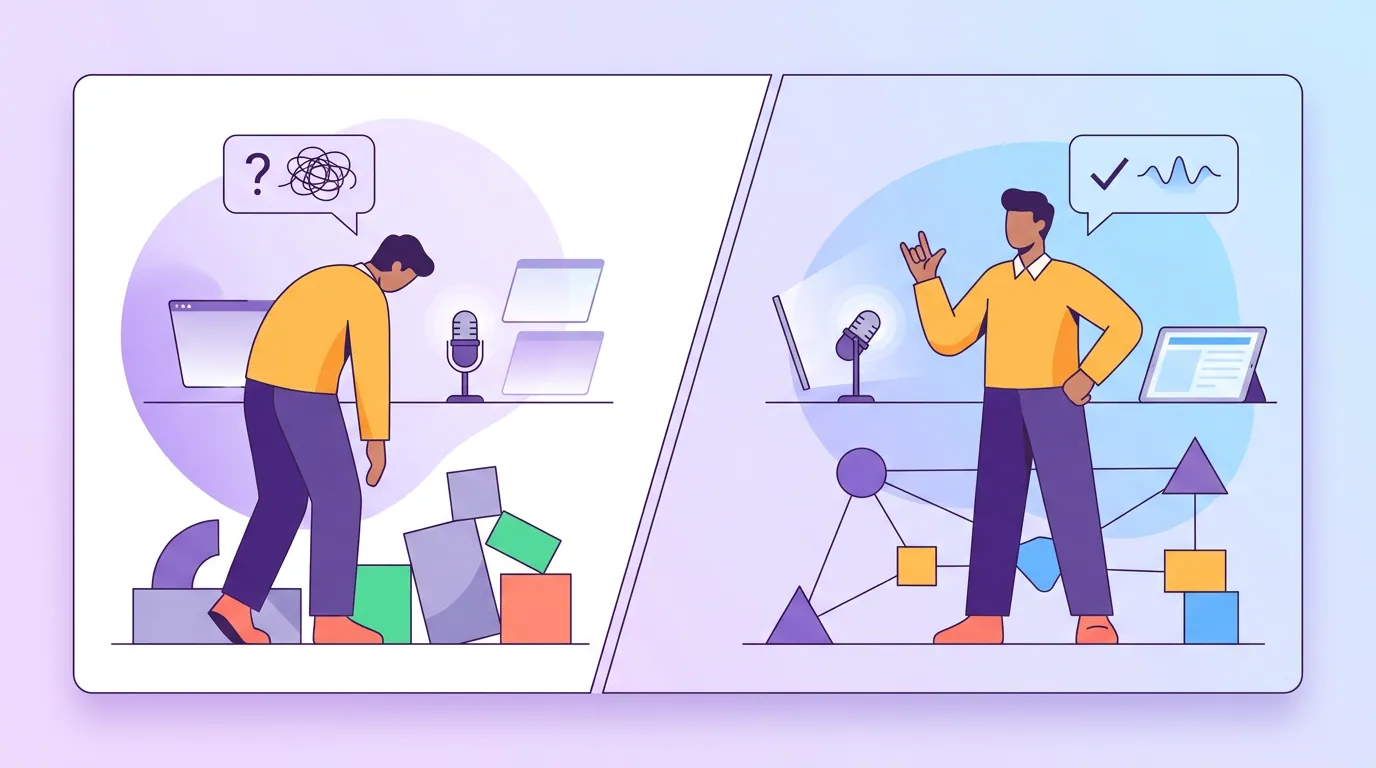
Before and after: the two that signal you're not a partner
6. Never promoting the episode. It goes live, the host tags you, and you do nothing, no repost, no story, no link to your list. Host's-eye view: this is the quiet killer, because the host did all the work and you treated their audience as a one-way street. They notice every single time, and they remember at booking season. Fix: on publish day, share it where your people are, tag the show, and add one line of context ("we got into why most retention advice is backwards"). Sharing the episode matters more than ever now: 57% of listeners rely on social media for podcast recommendations, the first time that source passed friends and family (InsideRadio). A guest who actively spreads the episode is the easiest re-book a host will ever make.
7. Doing no homework. You haven't heard a single episode, you mispronounce the co-host's name, and you ask a question the show answered last week. Host's-eye view: it tells them you'll do the same thing to the next show, and that you didn't think their work was worth an hour of yours. Fix: listen to two recent episodes before you record. Note the host's name, the show's format, and one episode you can reference. This is also the homework that gets you booked in the first place, it's the backbone of a pitch that actually gets replies and of finding shows that fit you rather than spraying the same template at fifty inboxes.
The re-invite test: the rule a host actually uses
After a recording, a host runs a fast, mostly unconscious calculation on whether to book you again. You can pass it on purpose. It comes down to three questions.
The useful part is that all three are within your control before you ever sit down. Easy is preparation and equipment. Landing is telling scenes instead of summaries. Partner is homework before and promotion after. Get those, and the re-invite stops being something you hope for and becomes the default. If you're earlier in the process, the same instincts power getting booked as a guest at all and even tracking down the host's real email to pitch the right person directly.
Frequently asked questions
Why won't a podcast host book a guest back? Almost always because the guest made the episode more work than it was worth, or treated the host's audience as a billboard. Rambling answers, bad audio, constant self-promotion, and never sharing the published episode are the four most common reasons. None of them gets mentioned to the guest. The host just doesn't reach out again, and reaches for someone easier next time.
How long should my answers be as a podcast guest? Aim for 60 to 90 seconds per answer, long enough to tell a real story with a specific detail, short enough that the host can steer and the best line is easy to find and clip. Answer the question in your first two sentences, then expand only if it earns it. If you feel yourself drifting past two minutes, land the point and hand it back.
Is it bad to promote my business as a podcast guest? One clear, well-placed mention is fine and expected, the host will usually invite it at the end. The mistake is plugging four times unprompted or bending every answer toward your offer, which spends the host's audience trust on yourself. Be genuinely useful for the whole episode and let the value sell. The guests who give the most get re-booked the most.
Do I really need a good microphone to be a podcast guest? For audio or video shows, yes, it's effectively the price of admission. A host can edit a weak answer but can't rescue an echoey kitchen or a blown-out laptop mic, and bad audio is the fastest way to get quietly removed from the invite list. A $70 USB mic in a soft, quiet room with headphones on clears the bar. Test it on the pre-interview call, not live.
Should I share the episode after I'm a guest? Yes, on publish day, every time. Repost it where your audience is, tag the show, and add one line of context about what you covered. It's the single clearest signal that you treated the collaboration as a two-way street, and hosts remember it when they decide who to book again, especially now that social shares drive more podcast discovery than friends and family do.