
Using Podcast Guests to Grow Your Show on LinkedIn


To grow your podcast on LinkedIn through guests, tag each guest in the episode post and hand them a ready-to-post clip written in their voice, then ask them to repost it to their own network on a named day. LinkedIn does not surface clips through a discovery algorithm the way TikTok does; reach comes almost entirely from the guest's professional graph and the comments in the first hour. So the whole game is making the guest's share effortless and engineering the conversation so they actually want to be seen posting it.
This is a different sport from clipping for short-form feeds. On TikTok or Reels, a strong hook can reach strangers who do not follow you. On LinkedIn, your reach is mostly bounded by who already follows you and your guest, the feed shows your post to your connections first, then expands only if they engage early. That changes the entire strategy: the guest is not a nice-to-have promotion channel, they are the distribution channel. Below is the full system, why LinkedIn distributes through people not hashtags, a four-step tag-and-repost loop, a LinkedIn-native promo kit, and how to record episodes guests are proud to share at work.
Why does growing a podcast on LinkedIn depend so much on guests?
It depends on guests because LinkedIn is a network feed, not a discovery feed. Your post reaches your connections and followers first; it only spreads further when those people comment or repost in the early window. There is no equivalent of the TikTok For You page reliably putting podcast clips in front of strangers, so the cheapest way to reach a new audience is to borrow your guest's professional network.
Think about who is on the platform. LinkedIn is where buyers, operators, and decision-makers spend professional attention, exactly the audience a business, marketing, or career-focused show wants. When your guest reposts the episode to their network, every person who sees it is pre-vouched-for: they trust the guest, and the guest is implicitly endorsing your show by being in it. That endorsement carries weight a cold hashtag never will.
The broader discovery shift backs this up. 57% of listeners now rely on social media for podcast recommendations, against 54% on friends and family (InsideRadio, "The State of Video Podcasting 2025"), the first time social passed personal referral. A guest's LinkedIn repost is that social recommendation in its purest form: a trusted professional putting your show in front of people who already listen to them. You are not fighting an algorithm for a slot. You are riding a relationship.
If your show is primarily chasing strangers on short-form, the mechanics are different enough that it is worth reading the TikTok growth playbook for podcasts separately, what wins on a discovery feed is not what wins on a network feed.
The tag-and-repost framework
The framework is four moves: tag the guest in your episode post, have the guest repost it to their network with a one-line comment, reply to early comments fast to feed the first-hour window, then tag two or three relevant colleagues to pull their networks in. Each move expands the audience by one degree of professional connection, and the early-comment step is what tells LinkedIn the post is worth showing to more people.
The order matters. A repost with a personal comment ("I joined this conversation on why most B2B content fails, here is the part I keep thinking about") consistently out-reaches a bare reshare, because LinkedIn treats a comment-added repost as original-flavored content and shows it more widely. So the ask is never "please share", it is "please repost with one line about your favorite moment." That single line is the difference between a quiet reshare and a post that lands in thousands of feeds.
Two etiquette rules keep this from feeling spammy in a professional setting. Tag the guest, yes, but only tag colleagues who are genuinely relevant to the episode's topic, never a scattershot list, because over-tagging on LinkedIn reads as desperate and gets muted. And confirm the guest is comfortable being tagged before you publish; a surprise tag at work is a fast way to lose the relationship. The same care that makes a hook keep people watching a clip applies here in social form, respect the reader's professional context and they engage.
The LinkedIn guest promo kit
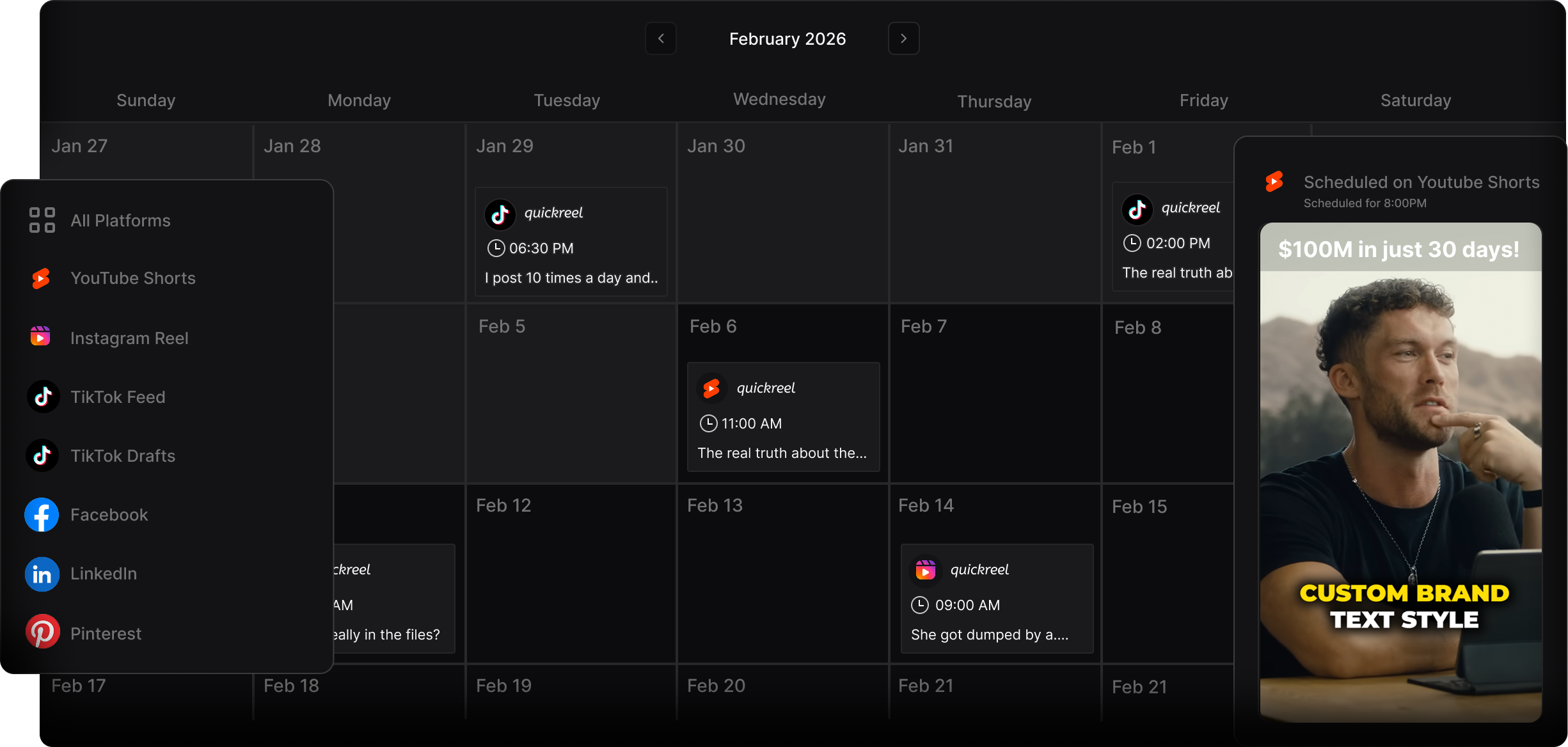
Hand every guest a LinkedIn-specific kit, not a generic one: a captioned clip cut for sound-off scrolling, a draft post written in the first person for them to edit, a short list of who to tag, and a one-line ask with a date. A guest given a finished post they can lightly edit and publish in thirty seconds shares far more often than one handed a link and a hopeful "feel free to share."
What makes this kit different from a TikTok kit is the format and the voice. LinkedIn rewards a clip that stands on its own with a strong opening line of caption text, because most of the feed is scrolled with sound off and people read before they tap. The draft post should sound like the guest talking to their professional peers, a takeaway, not a plug. And it should point to where to listen without a bare link dump, because LinkedIn suppresses posts that send people off-platform too aggressively; "full episode in the comments" is the standard workaround.
The clip is the asset that does the most work and takes the most time to make by hand. You do not have to. A captioned vertical or square clip cut from your episode is exactly the first item in this kit, and producing it is now a few minutes of work rather than an evening in an editor.
How to record episodes guests want to share
Engineer the episode so the guest comes off as the smartest person in the room, and they will post it without being asked twice. The single biggest reason a guest never shares is not laziness, it is that nothing in the conversation made them look good enough to put in front of their boss, their clients, and their peers. Fix that in the recording and the share becomes a foregone conclusion.
Three things in the room do most of the work. Ask at least one question that lets the guest say something they are proud of and have not said elsewhere, a contrarian take, a hard-won lesson, a specific number from their work. Let them finish their best point cleanly without talking over the landing, because a clean ten-second answer is a clip and a cluttered one is not. And near the end, ask directly: "What is the one idea from this you would want your network to see?" Their answer tells you exactly which clip to put in their promo kit, you are letting the guest choose the moment they will be proudest to share.
The downstream payoff is real. Clips drive an estimated 20 to 40% of new audience for video shows and can lift reach 2 to 5x (Podcast Studio Glasgow), and because 53% of new US weekly listeners now prefer to watch a podcast rather than only listen (Backlinko), a captioned LinkedIn clip is frequently where a new professional listener first meets your show. Record for the line the guest will want to repeat, and the format distributes itself.
Common mistakes that waste your LinkedIn guests
- Posting a bare link with no clip. A text post linking to an episode is invisible on LinkedIn; a captioned clip with a strong first line gets read in the feed. Lead with the clip, put the link in the first comment, and you stop fighting the platform's preference for on-platform dwell.
- Asking the guest to "share whenever." An open invitation is a decision you have handed a busy person, so it dies. Send a finished draft post and a date: "Repost this Tuesday with a line about your favorite moment?" A yes-or-no ask converts; a vague one evaporates.
- Over-tagging. Spraying ten people into a post to chase reach reads as desperate in a professional setting and gets the post muted. Tag the guest and two or three genuinely relevant people, and let their networks do the rest.
- Ignoring the first hour. LinkedIn decides how far a post travels based on early engagement, so a post you publish and walk away from stalls. Reply to every comment in the first hour, and have the guest do the same on their repost.
- Borrowing reach and keeping none of it. A guest's network sees the clip once and scrolls on unless you give them somewhere to go. Point the clip and the show page at an email signup so the guest's audience becomes yours. Start with a podcast email list from zero and a welcome sequence that converts the first impression into a subscriber.
FAQ
How do you get podcast guests to promote the episode on LinkedIn? Make it a thirty-second job and ask for something specific. Hand each guest a captioned clip, a first-person draft post they can lightly edit, and a one-line ask with a date, "repost this Tuesday with a line about your favorite moment." Willingness is usually there; friction kills it, so remove every step between the guest and a published post.
Should I tag my podcast guest in the LinkedIn post? Yes, but confirm they are comfortable being tagged before you publish. A tag notifies the guest, signals your post to their network, and makes the repost one tap away. A surprise tag at work, by contrast, can sour the relationship, so clear it during booking, then tag the guest and two or three genuinely relevant people, never a long spray.
Why do my podcast clips get no reach on LinkedIn? Usually because the post leads with a link instead of a clip, or because nothing engaged people in the first hour. LinkedIn shows your post to your network first and only expands it when early comments and reposts signal value. Lead with a captioned clip, put the link in the first comment, reply fast, and get the guest to repost with a comment.
Is LinkedIn worth it for growing a podcast? For business, marketing, career, and B2B shows, yes, it is where your buyers spend professional attention, and a guest's repost reaches them with a built-in endorsement. For broad-consumer or entertainment shows, a discovery feed like TikTok usually reaches more strangers faster; match the platform to where your listeners actually are.
How often should I post podcast content on LinkedIn? Quality and the guest repost matter more than raw frequency on a network feed, so one strong, well-distributed clip per episode beats daily filler. If you are also running discovery platforms, treat their cadence separately, see how often podcasters should post on TikTok and turning followers into actual listeners for the discovery-feed side.