
How Gen Z Finds Podcasts on Instagram


Gen Z does not find podcasts by browsing Spotify or a charts page. They find them through short clips that land in their feed and their searches. In SiriusXM Media's "Growing Up with Podcasts" report (Jul 2025), YouTube (28%) and social media posts (26%) are the two channels Gen Z names most often for discovering shows, together far ahead of friends and family (19%) or internet search (15%). On those platforms, clips do the discovering. If you want younger listeners, your clip is the front door, not your episode.
That reframes the whole job. You are not promoting a podcast on Instagram. On Instagram, the clip is the podcast as far as a new listener is concerned, it is the first and often only thing they will judge before they decide whether your show exists. Everything below is about making that first judgment go your way.
How does Gen Z actually find podcasts on Instagram?
Through three habits, in roughly this order: they meet a show as a clip in their feed (not a cover-art post), they search Instagram like a feed when a topic or name catches them, and they decide in the first second on sound and on-screen text. Match all three and you are findable; miss them and your show is invisible to anyone under 25, however good the audio.
These are not preferences you can argue with. They are the defaults of a generation that grew up with vertical video. Below, each habit gets a plain explanation and one content move you can make this week.
Habit 1: They meet your show as a clip, not a feed post
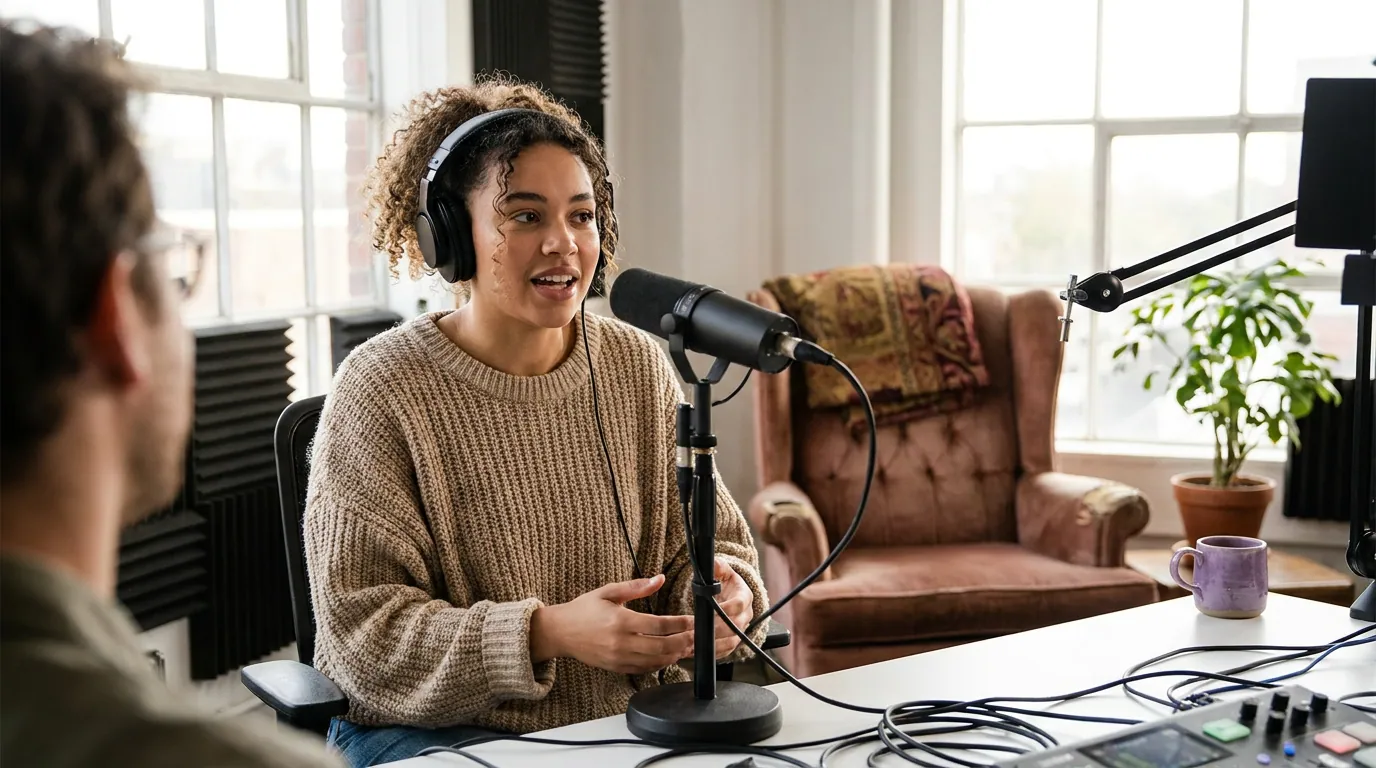
The thing that travels is a 20-to-60-second moment, not a "new episode out now" graphic. Gen Z's relationship to your podcast starts with a clip the algorithm decided to show them, often before they have ever heard your show's name. So the unit of distribution is the clip, and the episode is the thing they go find after the clip earns it.
This is why posting your cover art with a link in the caption converts almost no one under 25. They have no reason to click out to an app for a show they have never sampled. Give them the sample first. A strong pull-quote, a tense disagreement, a surprising stat from your guest, that is the ad. The episode is the product the ad sells.
Practically: aim for three to four clips a week over one polished trailer a month. Frequency teaches the algorithm who your show is for, and it gives Gen Z repeated, low-commitment chances to meet you. For the mechanics of building this from scratch, the Reels strategy for your first 1,000 podcast followers covers cadence and format in detail, and how long a podcast Reel should be on Instagram settles the length question.
Habit 2: They search Instagram the way older people search Google
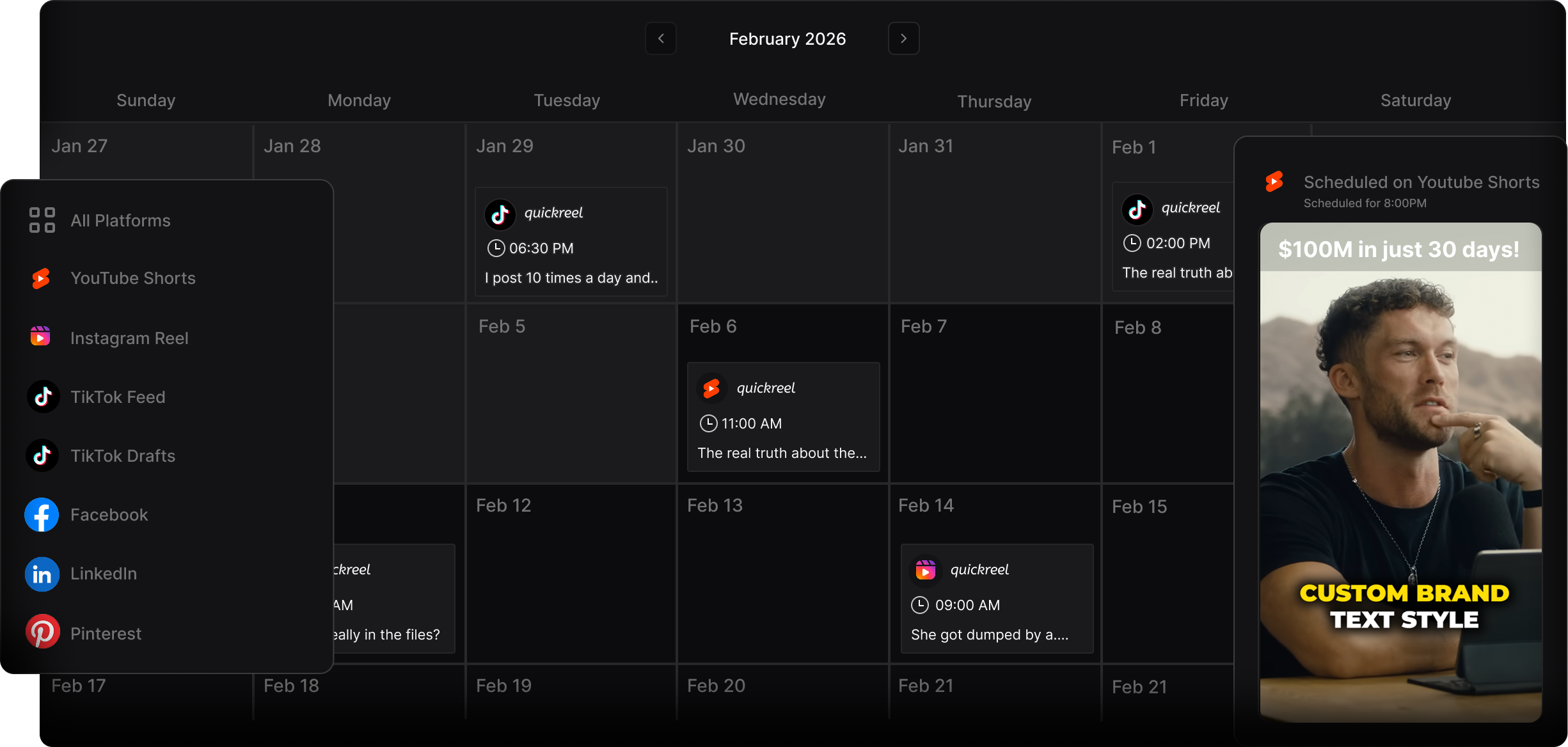
When something catches a young person's attention, a guest's name, a topic, a phrase from your clip, a large share of them go to Instagram's search bar, not Google's. In a SOCi survey of 1,002 US 18-to-24-year-olds (reported by Forbes, 2024), 67% said they use Instagram to search, just ahead of TikTok (62%) and Google (61%). Search behavior on these platforms is broad, not a clean replacement for Google, but the habit is real: the search bar is part of the feed for this generation.
That changes what you write under a clip. Instagram surfaces Reels in search based on spoken words, on-screen captions, and your description, so the words around your clip are findability, not decoration. Name the topic plainly. If the clip is about money anxiety in your twenties, the caption should say "money anxiety in your twenties," not "you won't believe what she said."
A caveat worth keeping honest: the "Gen Z is abandoning Google for social" story is overstated. Search Engine Journal reported that Gen Z's preference for TikTok over Google actually fell to 4% in 2026, down from 8% in 2024, usage of social search is high, but it has not dethroned anything. Treat Instagram search as a real, additive channel, not as proof that search engines are dead.
Three search moves that take five minutes per clip:
- Put the literal topic in the first line of the caption and again as burned-in text on the clip.
- Use two or three specific keyword hashtags (the topic, the niche) over ten generic ones.
- Name your guest in the caption, guest-name searches are a steady, underused discovery path.
Habit 3: The first second is decided by sound and text, not by you
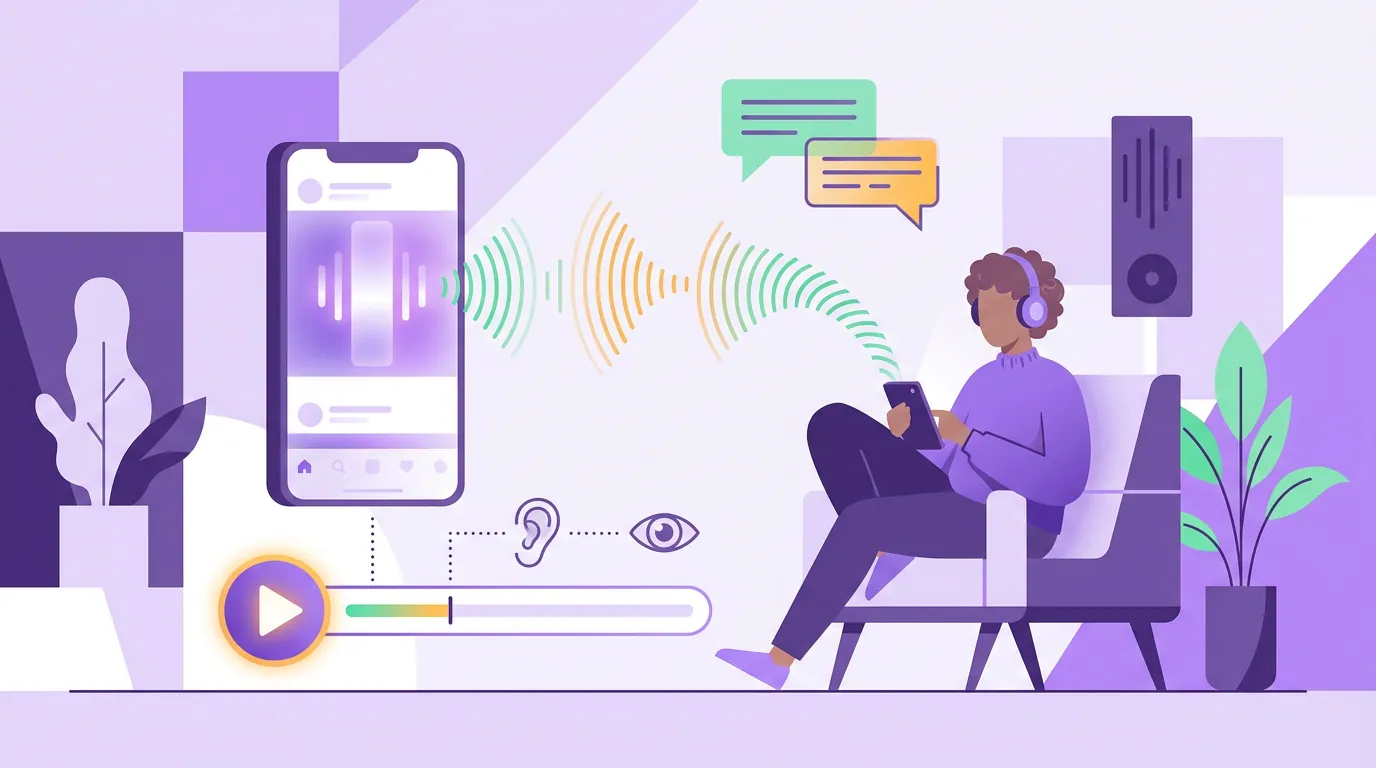
A new listener gives your clip about one second before swiping. Two things decide that second: whether the audio earns attention immediately, and whether on-screen text tells them what they are about to get. Most discovery scrolling happens muted, which is why captions are not optional, large publisher-reported estimates put muted social-video viewing at roughly 75–85% (Verizon Media/Sharethrough reported ~75%; Digiday reported ~85% of Facebook video muted in 2016; both are directional, publisher-reported figures).
So lead with a spoken line that means something out of context, and stack a short text hook over the first frame. "I quit my job the day I found out" works muted. A slow "so, welcome back to the show" does not. Trim the throat-clearing and start on the sharpest line. Our deeper breakdown of writing podcast Reel hooks that survive three seconds walks through how to find and front-load that line.
Captions also do the search work from Habit 2 and make the clip accessible, one edit, three jobs. Burn them in; do not rely on Instagram's auto-captions, which are off by default for many viewers and miss names and jargon.
What to do this week: the Gen Z Instagram checklist
You do not need a new strategy. You need to make your next four clips obey the three habits. Run this list before you post:
- [] Clip, not cover art. The post is a 20–60s moment from the episode, vertical (9:16).
- [] Front-loaded hook. The first spoken line and the first text overlay both land in the first second, muted-readable.
- [] Burned-in captions. Accurate, large, high-contrast, not auto-captions.
- [] Topic in plain words. First caption line names the exact subject a person would search.
- [] Two or three specific hashtags. Topic and niche, not a generic wall.
- [] Guest named in the caption when there is one.
- [] Cadence of 3–4 a week, not one big push.
- [] A reason to follow in the caption, what the next clips will give them.
This is the whole game for younger listeners. Everything else, carousels, link-in-bio funnels, email, is what you build after a clip earns the follow. On that note, Instagram carousels for podcast episodes are a strong second act for the people a clip already pulled in.
Decision table: matching the move to the habit
When you are unsure why a clip underperformed, this table points at the likely miss.
| Symptom | Habit it violated | The fix |
|---|---|---|
| Good views, no profile visits | Clip-first (no follow reason) | Add a clear "follow for more on X" + a stronger pull-quote |
| Almost no reach at all | Search-as-feed (no topic signal) | Put the literal topic in caption + on-screen text |
| Drop-off in the first second | Sound-driven (weak open) | Start on the sharpest line; add a muted-readable text hook |
| Reach but no episode listens | Clip too self-contained | Tease what the full episode answers; name the episode |
Don't ignore the next step: turn a follow into a listener
Discovery is not the finish line. A Gen Z follow is permission, not a subscriber. The bridge from "saw a clip" to "actually listens" is the same one every show needs, a place to send people that is not at the mercy of the algorithm. An email list is the most durable version of that bridge; starting a podcast email list from zero and a five-email welcome sequence for new subscribers turn a one-time viewer into someone who comes back on purpose.
Worth saying plainly: clips drive discovery, but virality without a next step is empty engagement. Views are not listeners. Build the clip habit and the place to send the people it finds.
FAQ
Do hashtags still help podcast clips reach Gen Z on Instagram? A little, and only if they are specific. Instagram now leans more on the words it can read in your caption, captions, and audio than on hashtag walls. Use two or three exact-topic tags as a small signal, and spend the effort on a plainly worded first caption line instead.
Is TikTok better than Instagram for reaching young podcast listeners? Both matter, and the same clip works on both. Edison/SXM data shows Gen Z discovers podcasts across YouTube, social posts, and clips generally, not one platform exclusively. Make the clip once, caption it, and post it to Reels, TikTok, and Shorts. Let the platforms compete for it.
How many clips a week do I need to reach Gen Z? Three to four is the practical floor for teaching the algorithm who your show is for without burning out. One clip a week rarely gathers enough signal. If quality holds, push higher; if it slips, drop back. Consistency beats any single viral attempt.
Will Gen Z listen to an audio-only podcast they found through a clip? Many will, but video lowers the barrier. The 2025 SXM/Edison data shows a strong majority of Gen Z listeners watch at least some podcasts with video. Lead them in with a video clip, and offer audio for when they are commuting or doing chores, meet both modes.