
How Long Should a Podcast Reel Be on Instagram?


Keep most podcast Reels between 15 and 60 seconds, and treat that range as three jobs, not one number. A 7–15s clip tests whether a moment hooks. A 30–60s clip lets a story breathe. A 60–90s clip earns the full payoff. Stay under 90 seconds, Instagram flags longer Reels as a reach risk.
That last point is the one most "ideal Reel length" advice skips, and it matters more for podcasts than for any other format. Podcast Reels are almost always talking-head clips, two people in conversation, not a fast-cut tutorial. They hold attention differently, and they punish the wrong length harder. Here is how to pick.
What is the maximum length for an Instagram Reel?
Instagram now lets a Reel run up to 3 minutes when you record or edit it in the app, with a 3-second floor (Metricool, 2026), and longer camera-roll uploads keep stretching that ceiling. But the technical maximum is a trap: the cap tells you what Instagram allows, not what it rewards.
At a 2024 creator event in New York, Adam Mosseri and the Instagram team showed a slide listing Reels longer than 90 seconds among the things that hurt distribution, alongside watermarks, engagement bait, and reposted content (Social Media Today, 2024). So even though the cap keeps rising, the real working range for a podcast clip is 7 to 90 seconds. Everything below is about choosing where inside that band to land.
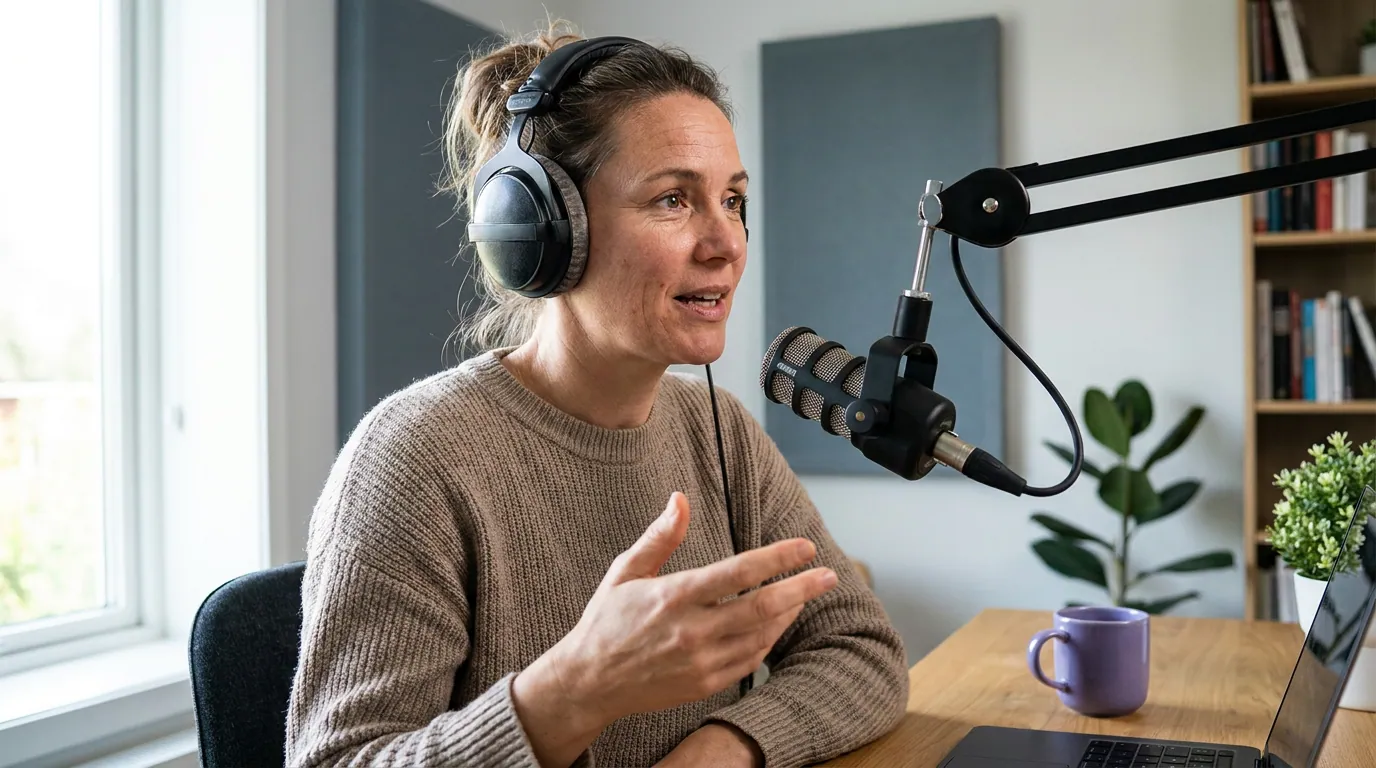
Why length matters more for podcast clips
Clips are not promotion for your show, for a lot of Instagram audiences, the clip is the show. Short video and social are now where listeners find new podcasts: 57% of listeners say they rely on social media for podcast recommendations, the first time that surpassed friends and family (Inside Radio, 2025). Get the length wrong and a stranger never finishes the one clip that would have made them tap your profile.
Clips pull real audience, too. For video shows, short clips drive an estimated 20–40% of new audience and can lift reach severalfold (Podcast Studio Glasgow). That is the prize. Length is the lever that decides whether you collect it.
The three tiers, and when to use each
Tier 1, The hook test: 7–15 seconds
Use this when you have a sharp standalone line: a hot take, a one-sentence reframe, a surprising number, a punchline. The job is not to explain anything. It is to make a stranger stop, finish, and send it to someone. At this length a viewer almost has to watch the whole thing, so your completion rate runs high by default, which means shares and rewatches become the signal that decides reach.
This is your discovery workhorse. When you do not yet know which moments from an episode land, cut three or four 7–15s candidates and post them across a week. The ones that get shared tell you what your audience actually wants. Then you cut the longer version of the winner. If you want a deeper system for this, the Reels strategy for your first 1,000 podcast followers leans hard on short hook tests early.
Tier 2, The story clip: 30–60 seconds
Use this when the moment needs a runway, a guest tells a short story, walks through a turn in an argument, or sets up a line that only lands with context. Below 30 seconds you cut off the build; above 60 you start asking strangers for a real commitment. The 30–60s band is where most evergreen podcast Reels live, and it lines up with the 30–90s clip-length range castmagic recommends for social (castmagic).
The risk here is dead air. A talking-head clip with two seconds of "um" at the front bleeds viewers before the story starts. Trim ruthlessly to the first interesting word.
Tier 3, The full payoff: 60–90 seconds
Use this sparingly, and only when the moment is genuinely excellent, a complete, self-contained idea a viewer will save and rewatch. Think a tight 75-second explanation that fully resolves a question, or an emotional beat that needs room. This tier converts: longer watch time and saves are strong follow signals. But it is the easiest length to get wrong, because every weak second now costs you reach.
Hard line: do not cross 90 seconds. The distribution penalty is real, and a 90-second clip with a slow middle will lose to a 40-second clip every time.

The completion-second math
Instagram rewards retention, not length. The same positive signal is far harder to earn as the clip gets longer, because the number of seconds a viewer must watch to hit a good completion rate climbs fast. A 12-second clip needs about 10 watched seconds to clear an 80% hold. A 45-second clip needs 36. A 80-second clip needs 64 straight seconds of a stranger's attention.
This is why the default answer skews short, and why a great 80-second clip can still beat a mediocre 12-second one, it just has to be 80 seconds of genuinely held attention. Pick the longest tier the moment can actually carry, not the longest Instagram allows.
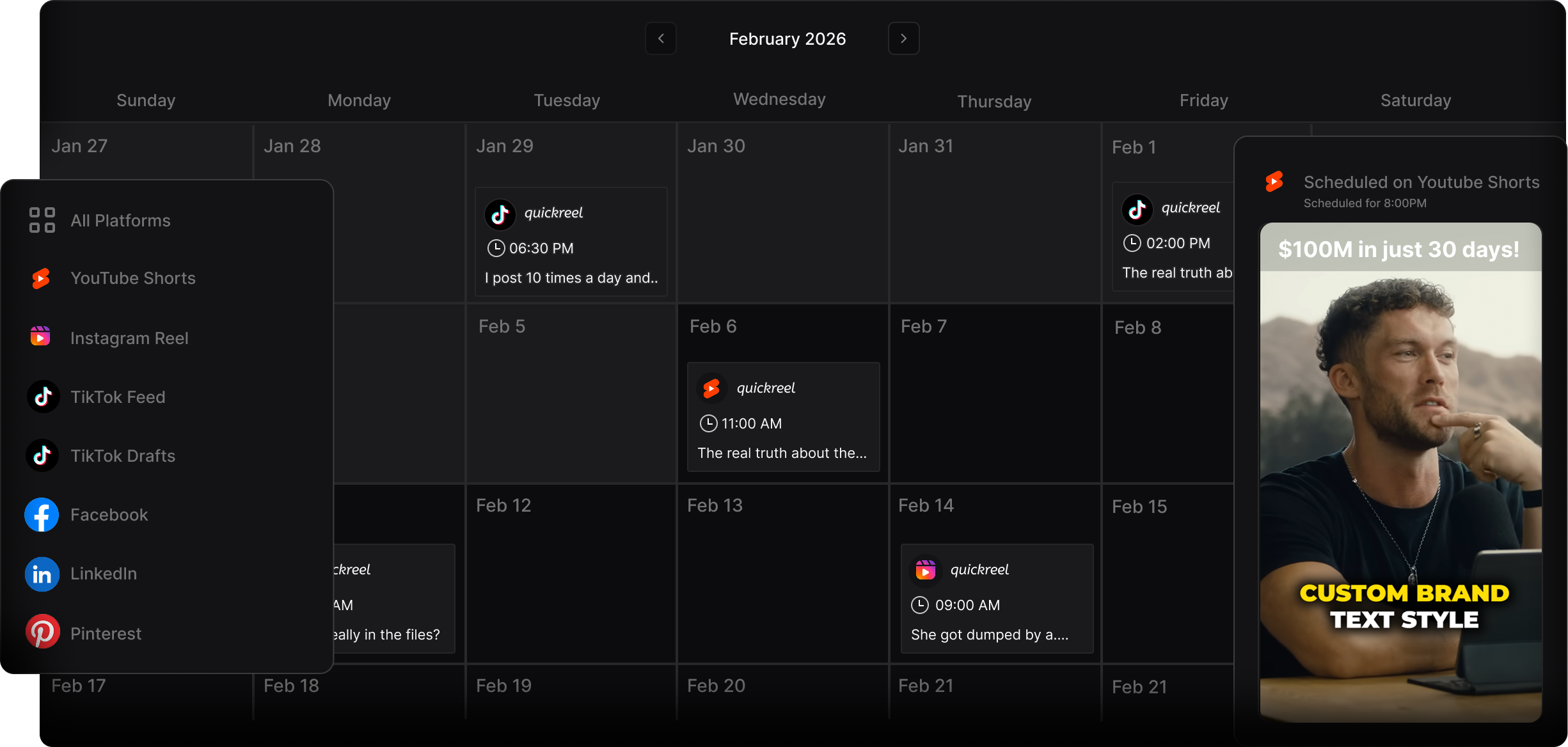
Common length mistakes (and the fix)
- Posting at the cap because you can. A 3-minute Reel is allowed, but Instagram's own creator-event slide lists over-90s Reels among the things that hurt distribution (Social Media Today, 2024). Fix: split a long moment into a two-part series instead.
- Padding a 20-second idea to 45 seconds. Extra runtime with no extra value tanks completion. Fix: cut to the shortest length that still delivers hook, context, and payoff, nothing more.
- Leaving the intro on. Talking-head clips often open with a breath, a filler word, or a host saying "so." Fix: trim to the first interesting word; the first three seconds of a podcast Reel decide whether anyone stays.
- No captions on a long clip. Most social video is watched on mute, commonly cited at 75–85% (Verizon Media/Sharethrough reported ~75%; Digiday reported ~85% of Facebook video muted). A silent 60-second talking head is unwatchable. Fix: burn in captions every time.
- One length for everything. Posting only 60-second clips means you never run cheap hook tests. Fix: cut a short and a long version of your best moment and compare which earns more profile taps.
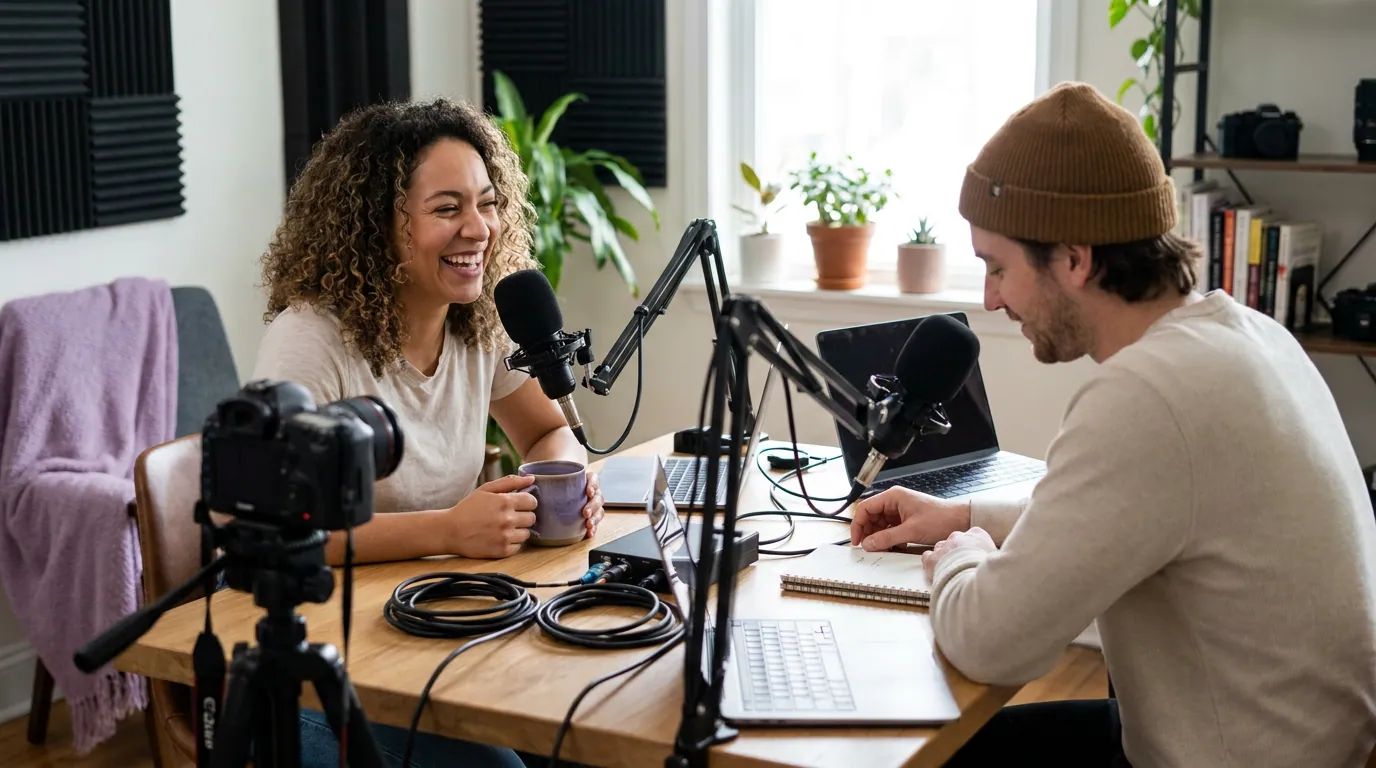
Tools for trimming to the right length
You can cut clips by hand in CapCut or your editor of choice, fine if you are making one or two and want frame-level control. For turning a full episode into a batch of length-appropriate, captioned vertical clips fast, an AI clipper like QuickReel, Opus Clip, or Vizard does the heavy lifting: it finds candidate moments, reframes to 9:16, and adds captions. Expect to review and re-trim 20–40% of what any AI tool hands you, the length call is still yours. The tool gets you to a draft; you decide the tier.
If Instagram is your main channel, pair this with your other formats: the same episode that makes a Reel can become an Instagram carousel promoting the episode and a Stories sequence for the drop.
FAQ
What is the best length for a podcast Reel on Instagram? For most podcast clips, 15–60 seconds. Use 7–15s to test whether a moment hooks, 30–60s when a story needs room, and 60–90s only for a standout, self-contained payoff. Stay under 90 seconds, which Instagram flags as a reach risk.
Do shorter Reels always get more reach? No. Shorter clips earn high completion rates more easily, which helps reach, but a strong 80-second clip with genuine watch-through beats a padded 15-second one. Match length to how much the moment can actually hold, not to a fixed number.
Why does Instagram allow 3-minute Reels if longer hurts reach? The 3-minute in-app cap is what Instagram permits, not what it promotes (Metricool, 2026). Mosseri has said Reels over 90 seconds can see reduced distribution. Long uploads appear in Reels but are not prioritized to non-followers.
How long should a podcast clip be for a talking-head moment specifically? Trim hard. Talking-head clips carry dead air and filler words, so cut to the first interesting word and end on the payoff. A two-person conversation usually fits 20–60 seconds once you remove the build-up.
Should I post the same moment at two lengths? Yes, when you are still learning your audience. Cut a 7–15s hook test and a 45–60s story version of the same moment, post both, and keep the format that earns more profile taps and follows.