
How to Win Back Lapsed Podcast Listeners


To win back listeners who stopped tuning in, find the people who used to play your episodes and have skipped the last several, then send a short three-touch sequence: a no-pressure check-in, a back-catalog "best of" episode picked for them, and a final keep-or-go email. Lead with one specific episode, not "we miss you." Most lapsed listeners drifted by accident; one sharp reason to press play brings a real share of them back.
This is not the same job as retention. Retention keeps the listener you have now from leaving mid-episode. Re-engagement reaches the listener who already left and went quiet, a different person, a different message, a different channel. Treat them the same and you will write "we miss you" emails that nobody opens. Treat them as someone who liked you once and got busy, and you will write something they actually click.
What counts as a lapsed listener
A lapsed listener is someone who has played your show before but has skipped your last several releases, past the point where a normal gap looks like a missed week and starts to look like drift. They sit between active (still pressing play) and churned (unfollowed, unsubscribed, gone). The whole point of re-engagement is to reach them while they are still in that middle zone, because once they fully forget the show exists, a feed post will not reach them at all.
The hard part is that podcast platforms barely let you see this. A follower on Spotify or Apple is borrowed, you cannot tell which followers stopped listening, and you cannot message them directly. That is exactly why the listeners you can win back are mostly the ones who joined a channel you own, which is the strongest practical argument for starting a podcast email list from zero before you ever need it.

Why winning them back beats chasing new listeners
A lapsed listener already cleared the two hardest hurdles in podcast growth: they found you, and they liked one episode enough to keep going for a while. Re-warming a known fan is cheaper than earning a stranger's first play, because the trust already exists, you are reminding, not convincing. And the math of attrition is brutal at the top of the funnel: nearly half of all podcasts stop at three episodes or fewer Amplifi Media, so every show is leaking on both ends. Plugging the leak is usually faster than out-running it.
There is a discovery angle too. 57% of listeners now rely on social media for podcast recommendations, the first time that surpassed friends and family (InsideRadio). That cuts both ways: a lapsed listener who unfollowed you on the feed may still see your clip in their social scroll, which means short-form is now a re-engagement channel and not only an acquisition one. A clip of your single best moment is a "remember this show?" tap on the shoulder that reaches people no email ever could.
How to spot your lapsed listeners
You cannot see individual lapsed followers inside Apple or Spotify, so you triangulate from the signals you do have. Three places carry the evidence, and you read them together rather than trusting any one.
- Your download curve by episode. In your host's analytics (Buzzsprout, Transistor, and others), compare each new episode's first-week downloads against your recent baseline. The Buzzsprout global yardstick, a median episode clears about 28 downloads in its first 7 days, the top 25% clears 101+ (Buzzsprout), is only a rough reference and skews indie, since Buzzsprout hosts a single-digit share of all podcasts and Spotify publishes no benchmark at all. Your own trend is the real signal: a steady slide in first-week downloads while your back catalog still gets played means active listeners are quietly going lapsed.
- Your email engagement. This is the only place you can name names. Sort subscribers by last-open date. Anyone who opened your first few emails and has ignored the last four or five is a lapsed listener you can actually reach. If you do not yet have a list, this is the gap to close first.
- Your follower-to-play ratio. If followers keep climbing but per-episode plays flatten, you are accumulating people who followed once and stopped listening. That divergence is the clearest "lapsing in bulk" signal a podcast dashboard will give you.
Spotting the pattern is also a retention check in disguise, if listeners lapse right after a specific episode every time, you may have a within-show problem worth fixing alongside the win-back, which is what keeping listeners past the first episode is for.
The 3-touch win-back sequence
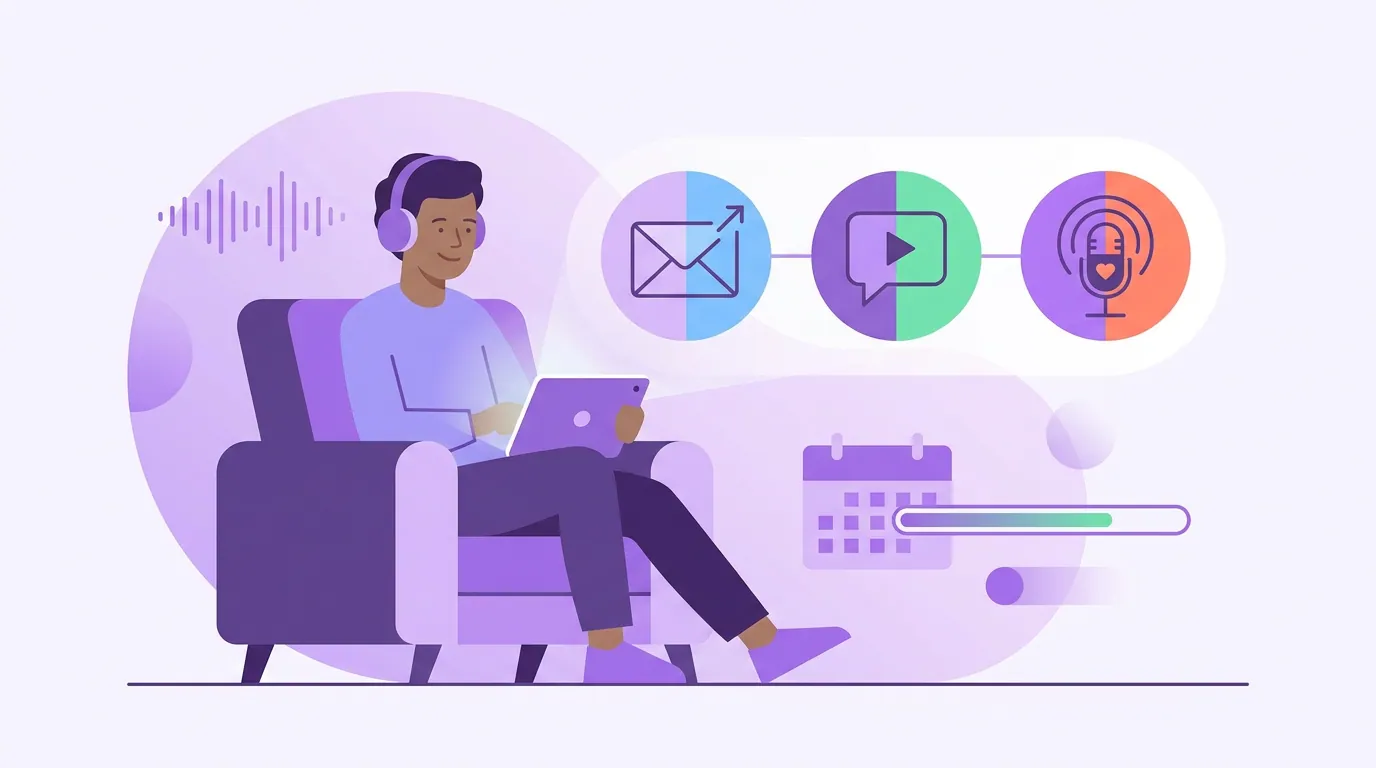
Run a short, finite sequence, not a drip you forget to turn off. Three emails across about two weeks, each with one job, sent only to the lapsed segment you defined above. The goal is a click on a single specific episode, not a guilt trip. Send it from your own list, because that is the audience you control; a "we miss you" post to a feed that already tuned you out is shouting at an empty room.
Touch 1, the check-in (day 1). Short, warm, no ask beyond one play. Skip "we miss you." Name a single episode and say why it is worth their twenty minutes. Subject line: "The episode people keep emailing me about." Body: two sentences, one link, done. You are testing who is still reachable, so keep the bar to clicking low.
Touch 2, the back-catalog best-of (day 4). This is the move most hosts never make. Your new listeners and your lapsed ones have a giant blind spot: the back catalog they were not around for. Pick your single best old episode, the one with the highest completion or the most replies, and frame it as a curated pick: "If you only listen to one episode of [show], make it this one." A lapsed listener does not want a release calendar; they want one reason to fall back in. This works for the same reason a lead magnet that actually gets signups works, you are handing over the best single thing, not the whole archive.
Touch 3, keep or go (day 12). Ask plainly whether they still want to hear from you, with a one-click "stay on the list" button and an easy unsubscribe. This feels backward and it is the most valuable email in the set. It re-activates the people on the fence and clears out the dead weight that drags your open rate down, which keeps you out of spam folders for the listeners who do want you. Letting people leave is how you protect the deliverability of the next win-back.
The back-catalog "best of" hook, in practice
The back catalog is the most underused asset in podcasting, and it is the engine of every good win-back. A lapsed listener associates your show with whichever episode they last heard, possibly a weak one, which is part of why they drifted. A curated "best of" resets that association to your strongest work. Build the hook in three steps.
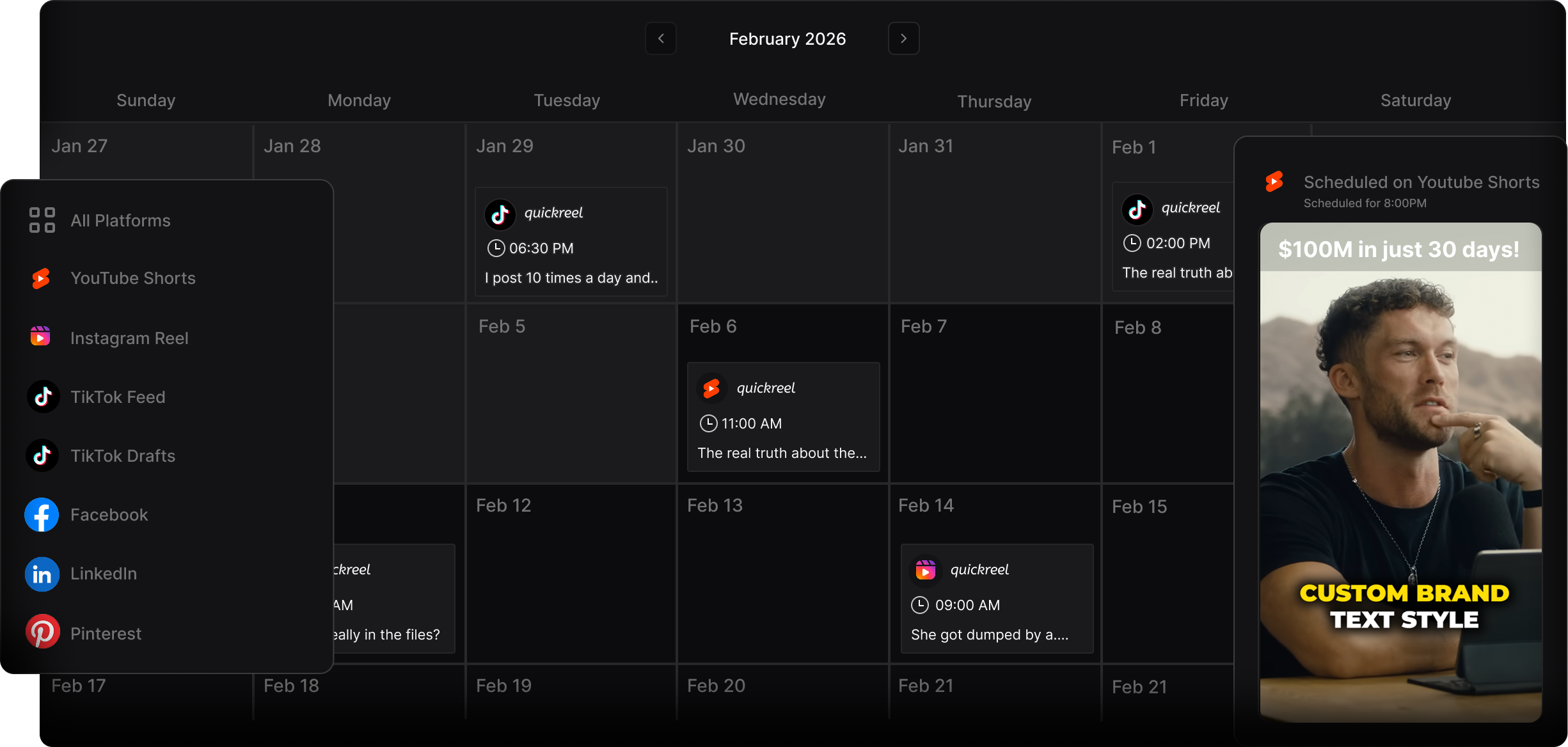
First, rank your old episodes by completion rate or reply volume, not by download count, downloads measure who pressed play, not who stayed. Second, write a one-line pitch for the top three, the way a friend recommends a show: the surprising idea, the named guest, the moment people quote back to you. Third, surface them everywhere a lapsed listener might resurface, pinned in your email welcome flow, in a 5-email welcome sequence for new podcast subscribers, inside a small private space like a Discord for your podcast listeners where returning fans land softly, and as short clips on social, since a sharp clip is a recommendation that travels and posting them consistently can raise reach 2 to 5x (Podcast Studio Glasgow).
Common win-back mistakes (and the fix for each)
- Leading with "we miss you." It centers your feelings, not their time. Fix: lead with one specific episode and why it is worth a listen. Make the reason about them.
- Blasting the whole list. Sending the win-back to active listeners annoys your best fans. Fix: segment by last-open date and send only to the lapsed group.
- An endless drip with no end. A win-back is a finite sequence, not a forever loop. Fix: three touches across two weeks, then stop and let the keep-or-go email sort the rest.
- Never asking them to leave. Hanging on to dead subscribers tanks your open rate and your deliverability. Fix: include the clean keep-or-go step; a smaller engaged list beats a big numb one.
- Ignoring the channel they actually still see. Lapsed listeners unfollow feeds but keep scrolling social. Fix: pair the email sequence with clips of your best moments so you reach the ones who left the feed.
FAQ
How long until a listener counts as lapsed? Treat someone as lapsed once they have skipped clearly more than a normal gap, for a weekly show, roughly the last four to six releases with no play, or four or five unopened emails in a row. There is no universal threshold because platforms hide follower-level data; set the line against your own cadence and stay consistent, so you are comparing the same behavior each time.
Can I see who unfollowed my podcast on Spotify or Apple? No. Neither platform exposes follower-level listening or unfollow data, so you cannot identify lapsed listeners directly inside them. You infer lapsing from your download trend, your follower-to-play ratio, and your email open data, the email list is the only channel where you can name and message individuals, which is why it is the backbone of any win-back.
What should a win-back email actually say? One specific episode, one reason it is worth their time, one link. Drop "we miss you" and guilt. The highest-performing version is the back-catalog pick, "if you only hear one episode, make it this one", because a lapsed listener wants a single reason to return, not your full release schedule. Keep it to a few sentences and one clear click.
Do social clips really win back lapsed listeners? Indirectly, yes. Clips mostly drive discovery rather than re-engagement, but because 57% of listeners now find shows through social media (InsideRadio), a lapsed listener who left your feed may still see a clip in their scroll. A clip of your sharpest moment acts as a low-friction reminder that the show exists and is good, a different reach than email, hitting people you can no longer message.
Is it worth winning back listeners or should I just find new ones? Both, but win-back is usually the cheaper first move. A lapsed listener already found you and liked an episode, so you are reminding rather than convincing. With nearly half of podcasts stalling at three episodes or fewer Amplifi Media, every show leaks audience, and re-warming known fans is generally faster than replacing them with strangers who have never heard you.