
How Casual Listeners Become Superfans


Casual listeners become superfans by climbing a ladder one rung at a time: they discover you, subscribe, start engaging, then advocate. Nobody jumps from rung one to rung four. Your job is to know which rung a listener stands on and give that person the single next step that pulls them up.
That last part is where most creators lose people. They send the same generic "follow the show" ask to everyone, so a first-time clip viewer and a two-year loyalist get treated identically.
The cost of that shows up at both ends. The new viewer gets asked to join the Discord before hearing a full episode, and the loyalist never gets asked to do the one thing, refer a friend, that actually grows the show. The ladder below fixes it by assigning every rung its own trigger and its own call to action.
What is a podcast superfan, exactly?
A superfan is a listener who has crossed from consuming your show to promoting it, they finish episodes, talk back to you, and bring other people in unpaid. They sit on the top rung of a loyalty ladder and are rare by design. A healthy show might turn a few percent of regular listeners into advocates, and that small group drives an outsized share of growth and revenue.
The numbers behind that are not soft. Patreon podcasters earned $629 million in 2025, up 33% year over year, podcasting is now Patreon's single biggest content category (Variety, Feb 2026). That money does not come from casual listeners. It comes from the advocate rung, the people who would miss the show if it stopped. Build that rung deliberately and everything downstream, from downloads to dollars, gets easier.
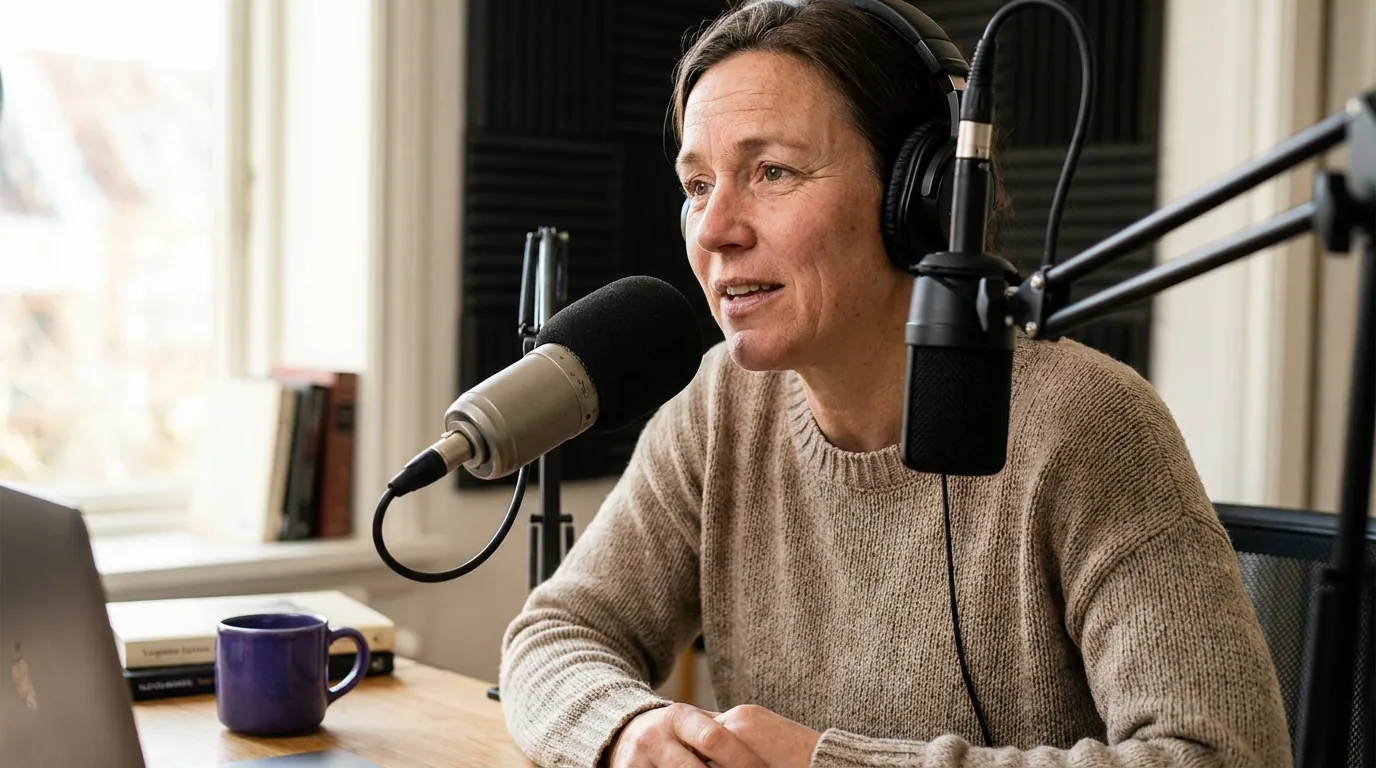
The 4-stage loyalty ladder
Picture four rungs, each holding fewer people than the one below it. A listener can only move up one step at a time, and each step has a different psychological barrier. The whole framework is this: stop asking every listener for the same thing, and instead match the ask to the rung.
Here is the same ladder as a worked map. Each rung gets one trigger (the moment that makes someone ready to climb) and one CTA (the only thing you ask of them there). Resist adding a second ask, a confused listener stalls.
Rung 1, Discover: get found, then earn 30 seconds
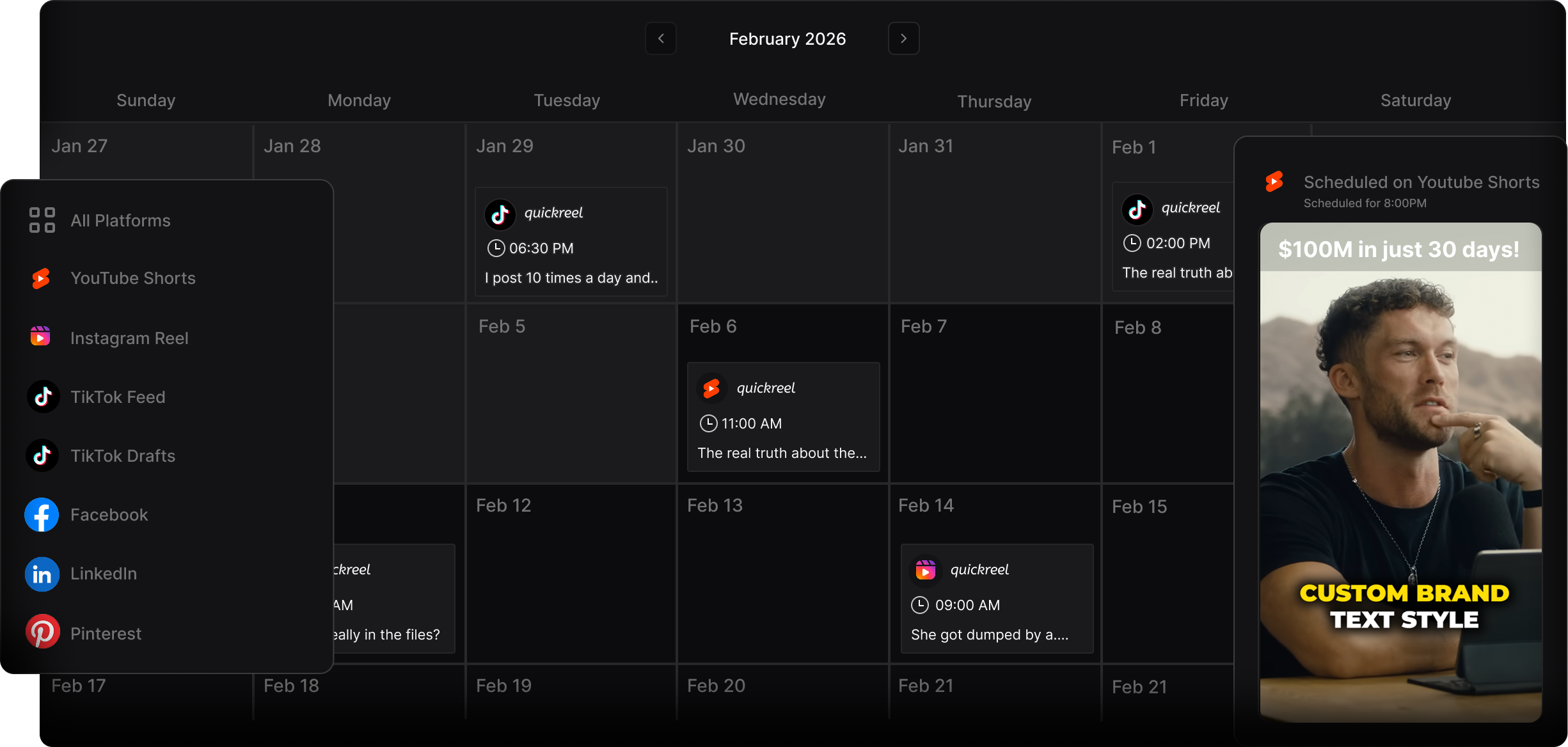
The trigger: a short clip stops someone mid-scroll. The one CTA: watch one full clip, nothing more. At this rung the person does not know you exist, so asking them to subscribe is asking a stranger to marry you. Your only goal is to hold attention long enough that they choose to watch a second clip.
This is where most discovery now happens, and the data is blunt about it. 57% of listeners rely on social media for podcast recommendations, narrowly passing the 54% who rely on friends and family, the first time social clips beat personal referrals (InsideRadio, "The State of Video Podcasting 2025"). Posting clips consistently can raise discovery reach by 2 to 5x (Podcast Studio Glasgow, citing ALM Corp's 2026 social trends). A clip is the only thing on this ladder that reaches people you could never message by hand.
Make the clip self-contained: a hook in the first three seconds, a single complete idea, and captions on. Most social video plays muted, Sharethrough's research found about 75% of people watch mobile video with the sound off (Digiday/Sharethrough), so a clip without captions is a clip nobody hears. End on a thought, not a "link in bio." The link-in-bio ask belongs to the next rung, not this one.

Rung 2, Subscribe: convert the finisher
The trigger: someone finishes a full episode for the first time. The one CTA: get on the email list, not "follow," not "subscribe in your app." A finished episode is the strongest buying signal a listener gives you, and it is the moment to capture something you own.
Follows are rented. The platform decides whether your next post reaches a follower, and reach on a typical post is a fraction of your following. An email address is yours, full stop, and it is the bridge from a one-time finisher to a habitual listener. If you have not built one, start with a podcast email list from zero; the thing that makes people actually hand over an address is a real reason, which is the whole point of podcast lead magnets that convert.
The mistake here is asking too vaguely. "Subscribe to my newsletter" converts badly. "I send the one resource I mentioned this episode, plus next week's guest, every Thursday" converts because it names the trade. Once they are on the list, the first impression is everything, a tight 5-email welcome sequence for new subscribers turns a cold signup into a warm regular before they cool off.
Rung 3, Engage: turn a listener into a participant
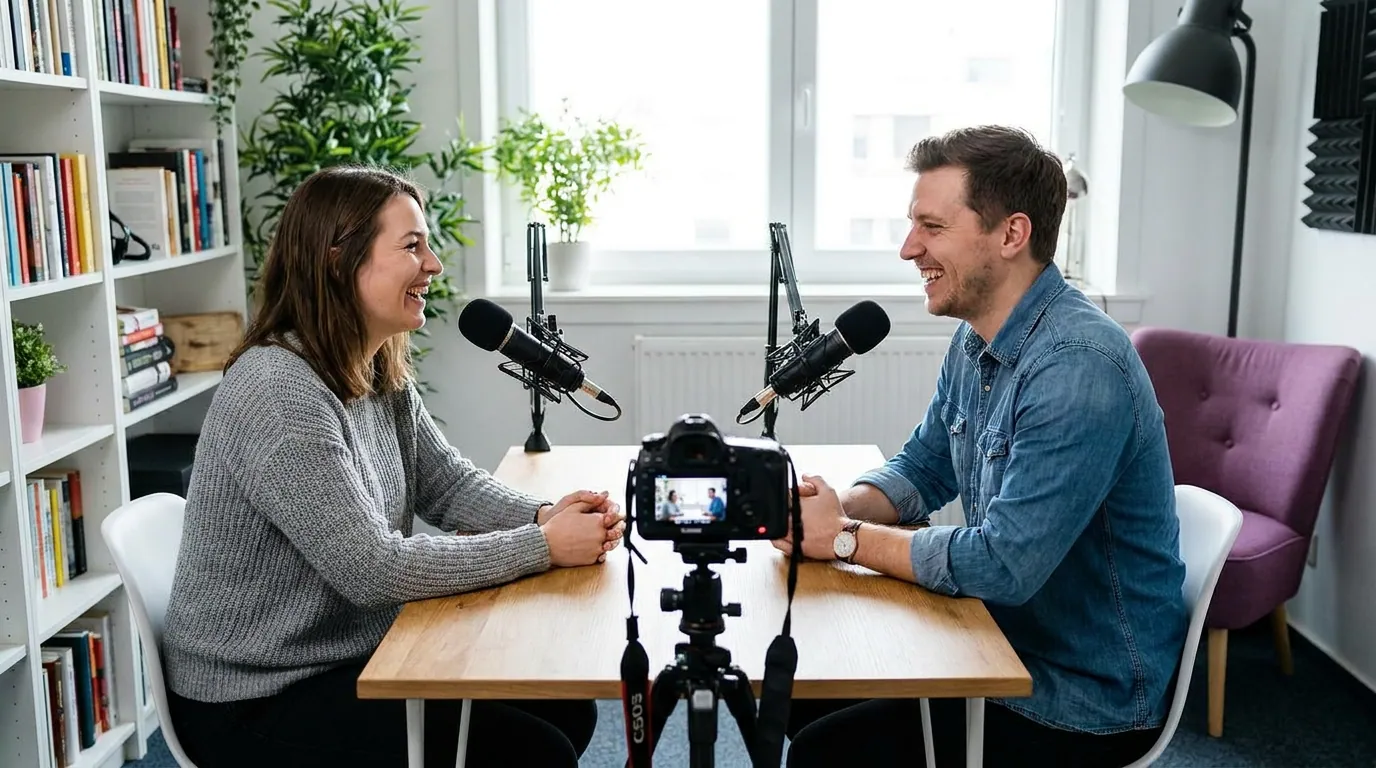
The trigger: you reply to them once, a real, human reply to a comment, a DM, or a review. The one CTA: ask them something back, or invite them into one place where listeners talk to each other. Engagement is a two-way street, and you have to step into it first. The fan does not become a participant until they get evidence a real person is on the other end.
This rung is where loyalty hardens, because belonging is stickier than content. A listener who answers your question on camera, gets their comment read on the show, or shows up in a community space has now invested something. That investment is what carries them through the weeks your episode is not their favorite. Setting up a Discord for your podcast listeners gives that energy a home, but only after a person has a reason to walk through the door, which is why this is rung three and not rung one.
Two concrete engagement triggers that work: end episodes with one specific question and read the best answers next week, and reply personally to your first 50 comments on any clip. Tedious, yes. It is also the cheapest loyalty you will ever buy, and it does not scale, which is exactly why it builds something competitors copying your format cannot.
Rung 4, Advocate: ask for the referral nobody asks for
The trigger: a listener feels a sense of ownership, they say "we" about the show, they defend it, they have been around long enough to feel early. The one CTA: ask for one referral to one named person. Not "share if you can." Specifically: "Who is the one person you'd send this episode to?" Specific asks get acted on; vague ones get nodded at.
This is the rung creators skip, and it is the most expensive skip on the ladder. Your advocates are already doing the work that grows shows, they just need permission and a prompt. Give your best listeners something to hand over: a single clip built for forwarding, a guest-worthy episode, an invite to the community. If your show grows through guests more than listeners, the same logic applies on the supply side, see why business podcasts grow by booking guests first.
A word of honesty, because it matters: do not try to manufacture advocates with gimmicks. Referral contests bring in people chasing the prize, not the show. Real advocacy is a byproduct of the first three rungs done well. If rungs one through three are weak, no advocacy program will save you, you will just be paying strangers to recommend a show their friends will not finish.
Common mistakes that stall the ladder
- Sending every listener the same CTA. A discoverer asked to join the Discord bounces; a loyalist never asked to refer never refers. Match the ask to the rung, that is the entire framework.
- Skipping rung two. Chasing follows while ignoring email means building your audience on rented land. Owned contact is the only thing that survives an algorithm change.
- Asking for advocacy before engagement. A referral request to someone who has heard one episode reads as a pitch. Earn the reply first.
- Confusing reach with loyalty. A clip with 100,000 views and zero subscribers moved nobody up the ladder. Views are not conversions, virality without a next step is empty engagement.
- Quitting before the ladder can work. Nearly half of podcasts stop at three episodes or fewer Amplifi Media. Loyalty compounds over months; most shows never give it the time.