
Weekly Rituals That Keep a Podcast Community Active


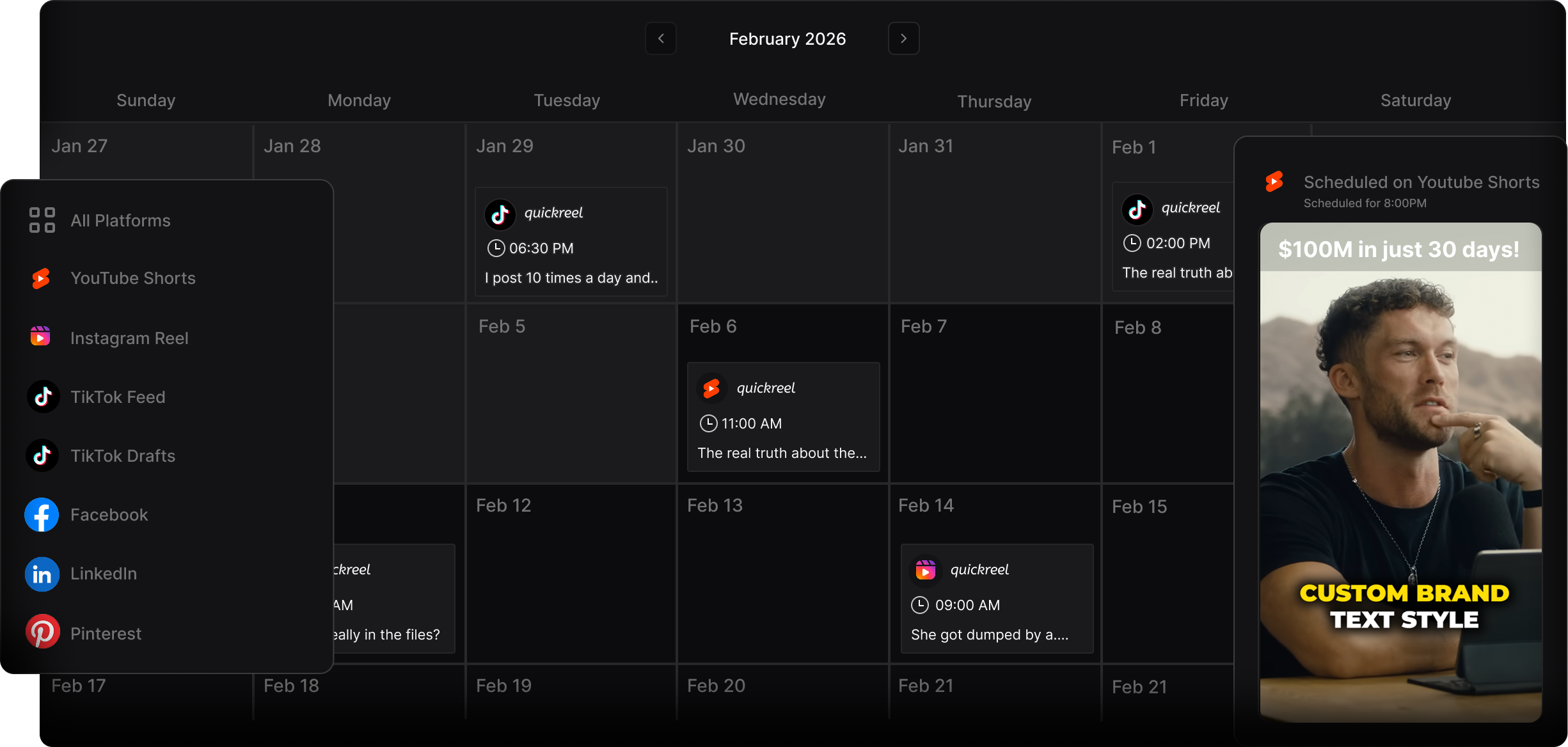
Pick three or four small actions and run them on the same days every week, anchored to your release schedule: a watch-along thread the day an episode drops, one recurring question mid-week, a member spotlight on a slow day, and a monthly AMA. Rituals beat bursts. A community stays alive on rhythm, not on one-off events that fizzle.
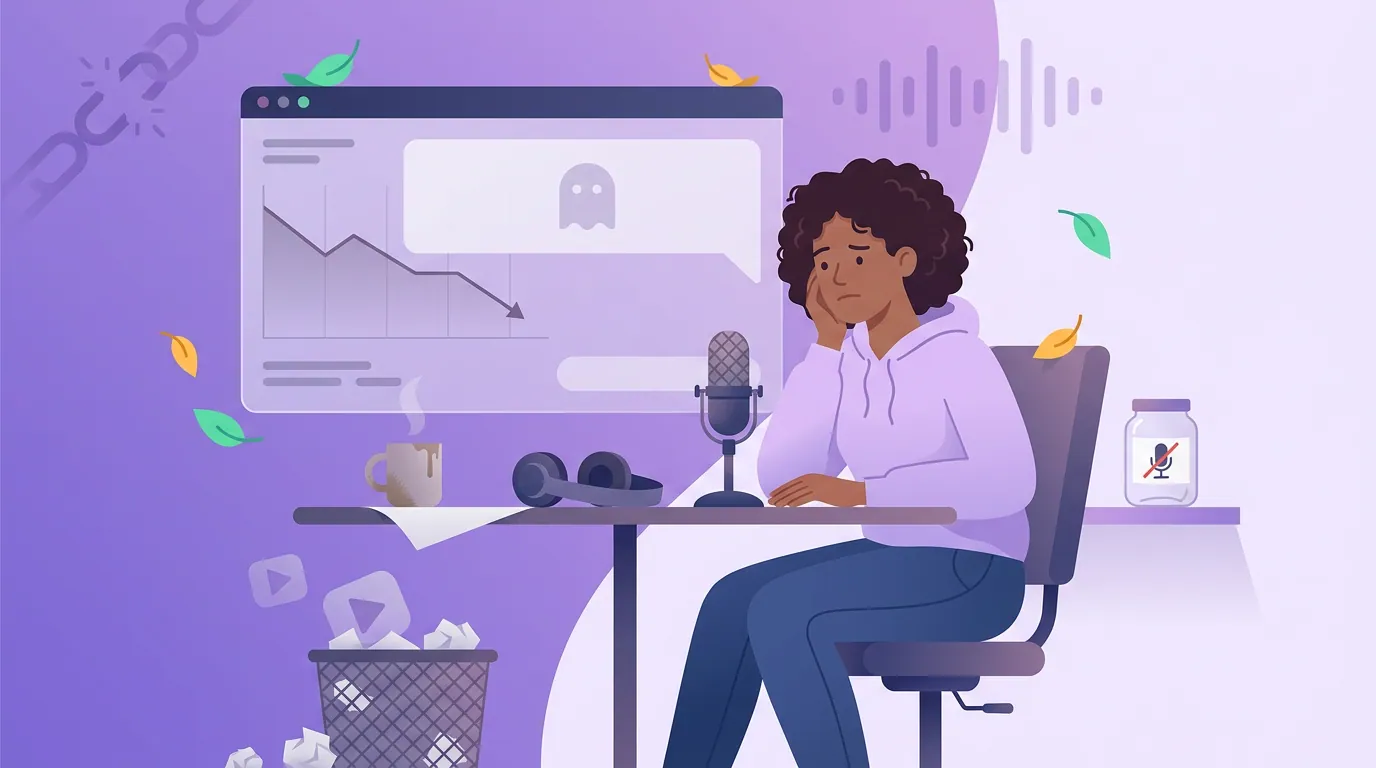
A dead community is not a content problem. It is a cadence problem. Most hosts launch a Discord or a group, post hard for two weeks, get busy with the next episode, and watch it go quiet, then blame the audience. The fix is to stop treating engagement as something you do when you have time and start treating it like the release calendar: a fixed, boring, repeatable schedule. This guide gives you that calendar, the specific rituals, the day each one runs, and the time each one costs, sized so a solo host can run the whole week in under 90 minutes.
What makes a podcast community stay active?
Predictable, low-effort rituals tied to a schedule the members can anticipate. People come back to a room where they know something will happen, a Monday thread, a Friday spotlight, far more reliably than to a room that depends on the host feeling inspired. Consistency from the host is what trains consistency from the members.
The reason this matters is the same reason most shows die. Nearly half of all podcasts stop at three episodes or fewer Amplifi Media, almost always because the host runs out of energy publishing into a void. A community is the cheapest defense against that, because a handful of named people waiting for the next episode changes a host's psychology more than any download number does. But a community only does that job if it is alive, and a community is alive when its members can predict it.
There is a hard ceiling to set first: rituals deepen the audience you have, they do not find you a new one. Discovery happens out on the open platforms, where 57% of listeners now rely on social media for podcast recommendations, just ahead of friends and family at 54% (InsideRadio, "The State of Video Podcasting 2025"). The community is the room you keep people in; clips and social are how they find the door. Keep those two jobs separate and you will stop asking your group chat to do work it cannot.

The weekly ritual calendar
Anchor everything to release day. If you publish on Tuesday, your week has a natural pulse: a peak the day the episode lands, a trough mid-week, and a quiet weekend. The rituals fill those slots so the room never goes more than two days without a host-shaped reason to open it. Here is the calendar, built around a Tuesday drop, shift the days to match your own release day.
1. Release day, the watch-along / listen-along thread. The moment the episode publishes, open a single thread for it, ping your listener role, and post the first reaction yourself with a timestamp: "the bit at 14:30 about pricing surprised me, what did you all think?" A specific opening line beats "new ep is up." This is the highest-traffic ritual of the week because members already feel the pull of a fresh episode; you are just giving them a place to land. On a video show, frame it as a watch-along; on audio, a listen-along. Same thread, same job.
2. Mid-week, one recurring question. Two days after the drop, when the room would otherwise go quiet, post one question with a fixed format. A recurring slot, "Throwback Thursday: which past episode would you send a new listener first?", does double work: it is easy for you to write and easy for members to answer because they have seen the pattern before. Recurring beats clever. The point is that members can predict it.
3. Slow day, the member spotlight. Once a week, name one member in public: quote a great comment they left, thank a long-time listener, or feature a clip a member made. This is the single most underused ritual in podcast communities and the cheapest loyalty you can buy. Being seen by the host is why people stay. Keep a short running list of who you have spotlighted so nobody gets skipped or doubled.
4. Weekend, a light, off-topic prompt. Saturdays and Sundays are for low-stakes human stuff: a meme, a "what are you doing this weekend," a poll unrelated to the show. This keeps the room warm without demanding anyone be caught up on episodes, and it is the ritual you can hand to a moderator first because it carries no editorial weight.
5. Monthly, the AMA. Once a month, run a 60-minute window where you answer anything in real time, voice or text. Announce it a week out in the release-day thread and on the show. The AMA is the one event worth promoting, because it gives lurkers a reason to finally post, and it gives you a month of content ideas in an hour. One Thursday a month, the AMA simply replaces the recurring question, you are not adding a ritual, you are swapping one.
How much host time does this actually take?
Under 90 minutes a week, spread across the days, if you keep each ritual small. The whole system is designed so no single day asks for more than 15 minutes, the watch-along thread and replies cost the most, the weekend prompt costs almost nothing. The monthly AMA is the only block that needs an hour, and it lands once every four weeks.
The biggest time sink is not posting the prompts, it is replying. Block 10 to 15 minutes a day rather than checking the room constantly, and reply in batches. Members do not need an instant answer; they need to know the host reads the room. A reply 12 hours later still lands. Refreshing the app 30 times a day is how hosts burn out and then go silent, which is the exact failure the rituals exist to prevent.
Common mistakes that let a community go dead
Most rituals fail in the same handful of ways. Each has a direct fix.
- Too many rituals at once. A host who launches a daily challenge, a weekly call, and a points system in week one cannot sustain any of them. Start with two, the release-day thread and one recurring question, and add a third only after the first two have run for a month without you forcing them.
- Rituals that depend on the host being inspired. "I'll post something good when I think of it" is not a ritual. Fix it by writing the recurring question once, as a template, so the weekly version is a five-minute fill-in, not a blank page.
- Skipping the member spotlight. Hosts treat their own announcements as engagement. They are not. The fastest way to make a room feel alive is to make members the subject. Spotlight someone every single week without fail.
- Confusing community with growth. Pouring hours into a 40-person group while posting nothing publicly starves the show of new listeners. Run the rituals to keep current members, and keep clips going out to find new ones, the two are different jobs.
- No backup off the platform. A Discord or Facebook group can change its rules or vanish overnight. Capture members onto your email list you actually own, and use a welcome sequence to route new subscribers into the community. Own the relationship in two places.
How rituals and clips feed each other
The cheapest fuel for every ritual is a clip from the episode you just published. The release-day thread opens better with a 30-second moment than with a link. The member spotlight can be a clip a listener made. The AMA announcement travels further as a short video than as a text post. And clips are the only ritual ingredient that also reaches outside the room, posting clips consistently can lift a show's reach two to five times (Podcast Studio Glasgow, citing ALM Corp's 2026 social trends report).
This is the quiet flywheel: a clip seeds the community ritual, members react and repost it, and their reposts carry the show to people you could never message directly, some of whom join the room, where the rituals keep them. If you are building the room itself rather than just keeping it warm, the channel-by-channel Discord blueprint covers structure, and a lead magnet that converts gives lurkers a reason to hand over an email before they ever post.
FAQ
How often should I post in my podcast community? On a schedule the members can predict, not constantly. Three to four host-led touches a week, a release-day thread, a mid-week question, a member spotlight, and a light weekend prompt, keep a room alive without burning you out. Reply in daily 10-to-15-minute batches rather than refreshing all day.
What are good recurring questions for a podcast community? Specific, easy, and on a fixed weekly slot. "Which past episode would you send a new listener first?", "What's one thing from this week's episode you're still thinking about?", and "Who should we have on next, and why?" all work because they invite a quick personal answer and feed your next episodes.
How do I run a podcast AMA that people show up to? Announce it a week out in your release-day thread and on the show, pick a fixed monthly slot so it becomes predictable, and seed two or three questions yourself so the window opens with something to answer. A 60-minute monthly AMA gives lurkers a reason to finally post and hands you a month of content ideas.
Should I use a community for growth or retention? Retention. A community deepens the audience you already have; it rarely finds new listeners, because discovery happens out on social where most recommendations now come from (InsideRadio, 2025). Run rituals to keep members, and keep clips going out publicly to find new ones, and to turn engaged members into guests and deeper relationships.
How long before community rituals show results? Give it a full month of consistent rituals before judging. The first two weeks of any room are slow because members are learning the rhythm. By week four, a predictable schedule produces members who post before you do, that is the signal the rituals have taken. Track messages per day, not member count.