
Growing a Relationships Podcast on Listener Stories


Grow a relationships podcast by making the audience your content engine: ask for their stories and dilemmas in every episode, build one place to collect them, vet each one for truth and risk, and feature them with real consent and tight anonymity. When listeners see their own situation discussed by name-they-chose, they become hosts of their own discovery, they share the clip, tell a friend, and submit the next story. That loop is the growth.
The trap in this genre is trying to be the smartest voice in the room. The relationships shows that scale are not the ones with the cleverest hosts; they are the ones that turned the inbox into the writers' room. This guide is the system: where stories come from, how to vet them so you do not air a fabrication or a defamation problem, the consent-and-anonymity rules that keep submitters submitting, and how to turn each featured story into a clip that recruits the next wave.
Why do listener stories grow a relationships podcast faster than guests or topics?
Listener stories grow the show because they make the audience a participant, not a spectator, and participants share. A topic gives someone a reason to listen once; a story where their own dilemma might appear gives them a reason to listen weekly, submit, and tell the friend it describes. The content engine and the discovery engine become one machine.
Relationships and dating sit in the broad Society & Culture tier that ranks among the most-listened US podcast genres (Statista, top US genres), so the question is not whether people want this format, it is whether they trust you with the vulnerable thing they are about to send. Stories solve a producer's hardest problem too. You never run out of episode ideas when your audience supplies them, and that matters because nearly half of all podcasts stop at three episodes or fewer Amplifi Media, most often from the burnout of inventing content alone. A submission box is an idea factory that also happens to be a loyalty machine.
There is a quality dividend on top. A real, specific dilemma, the messy in-law text, the four-year situationship, the breakup nobody else understood, out-performs any generic "5 signs your relationship is healthy" topic, because specificity is what makes a clip travel and a listener feel seen.
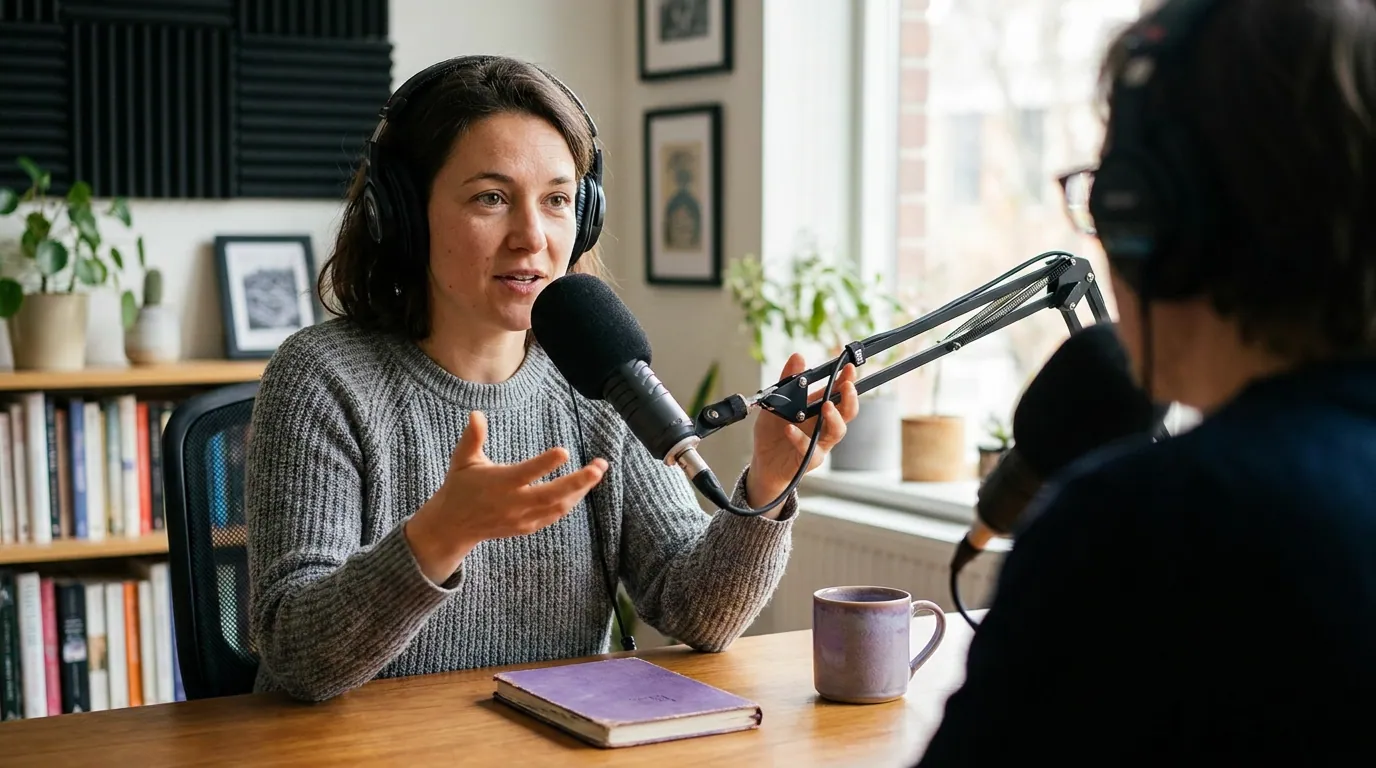
The listener-story flywheel (the system, not the vibe)
The flywheel has five repeatable stages, and the discipline is running all five every week rather than treating stories as occasional filler. Ask, collect, vet, feature, clip, then the clip drives the next ask. Skip the vet and you risk a fabricated or defamatory story; skip the clip and the loop never compounds beyond the people already listening.
The reason this beats a one-off "send us your stories" plea is rhythm. A flywheel turns only if you push it on a fixed cadence: a spoken ask in the same slot every episode, a form link that never changes, a segment listeners can anticipate. Predictability is what converts a passive audience into a submitting one.
Step 1: Source stories without sounding desperate
Make the ask part of the format, not a one-time announcement. The shows that get a full inbox treat submissions as a named, recurring segment, "Tuesday Dilemmas," "The Unsendable Text," "Two Sides", so listeners always know there is a place for their story and roughly when it might air. A segment people look forward to does the recruiting for you.
Give the ask a specific prompt, not a blank box. "Tell us your story" gets a trickle; "Tell us about the text you wrote and never sent" gets a flood, because a concrete prompt reaches a memory people are already carrying. Rotate the prompt every few weeks so the inbox stays varied and you are not flooded with the same break-up archetype.
Lower the friction of submitting to near zero. Offer two paths, a short form for writers and a voicemail or voice-note line for talkers, and ask for only what you need: the story, what they want from you (advice, a second opinion, a vent), and their anonymity preference. Voice notes are gold in this genre because real emotion in a real voice is the most clippable material you can air, with consent.

Step 2: Vet every story before it touches a mic
Vet for two things: is it true enough, and is it safe to air. The most common failures in story-driven shows are airing a fabricated submission that gets exposed, and airing a real one that identifies a private third party who never agreed to be discussed. A two-minute vetting pass on each story prevents both, and it is the difference between a credible show and a liability.
Truth-vetting does not mean interrogating a heartbroken listener. It means a light check: does the story hang together, are the specifics internally consistent, and for anything you will present as fact (an accusation, a claim about a named business or public figure), can it be supported. When in doubt, frame it explicitly as one person's account, "here's what a listener told us", rather than as established fact. That single framing protects you and is also more honest.
Risk-vetting is where this genre overlaps with the discipline that makes a true crime show grow without exploiting anyone work: you are handling other people's pain, and a careless edit can cause real harm. Strip or alter identifying details of anyone who did not consent, the ex, the boss, the friend. If a story names a specific person in a way that could damage them and is presented as fact, that is a defamation exposure, not just an ethics question. Treat the third parties in a story as people with no microphone, because that is exactly what they are.
Step 3: Consent and anonymity, the guardrails the genre lives or dies on
Get explicit, recorded consent for how a story will be used, and default to protecting the submitter's identity unless they clearly choose otherwise. This is not legal boilerplate. In a genre built on people handing you their most private moments, the moment you mishandle one identity, every future submitter watches you do it and your inbox dries up. Consent is the supply line.
Build consent into the submission itself so it is unambiguous and on the record. Your form should capture: permission to share the story on the podcast and in clips, the anonymity level they want, and whether they are okay with their voice note being aired or want it read by a host. Keep these records; they are your protection if a submitter later changes their mind or a third party objects.
Anonymity has levels, and letting people choose theirs is what makes them comfortable being specific. Offer a clear menu, then handle each level the same way every time. The more control you hand the submitter, the more honest the story they give you, and honest specificity is what makes the episode worth listening to.
| Anonymity level | When to offer it | How you air it |
|---|---|---|
| First name only | Default for most stories | Use the first name, alter every third-party detail |
| Pseudonym they pick | Sensitive topics, identifiable jobs | Use their alias, never their real first name |
| Fully anonymous | Abuse, infidelity, anything raw | A host reads it; no name, voice altered or withheld |
One rule that prevents most disasters: anonymize toward the non-consenting people in the story, not just the submitter. A listener can consent to their own exposure; they cannot consent on behalf of the ex they are describing. Change the ex's name, job, and city. The story keeps its emotional truth and loses its capacity to harm an absent person.
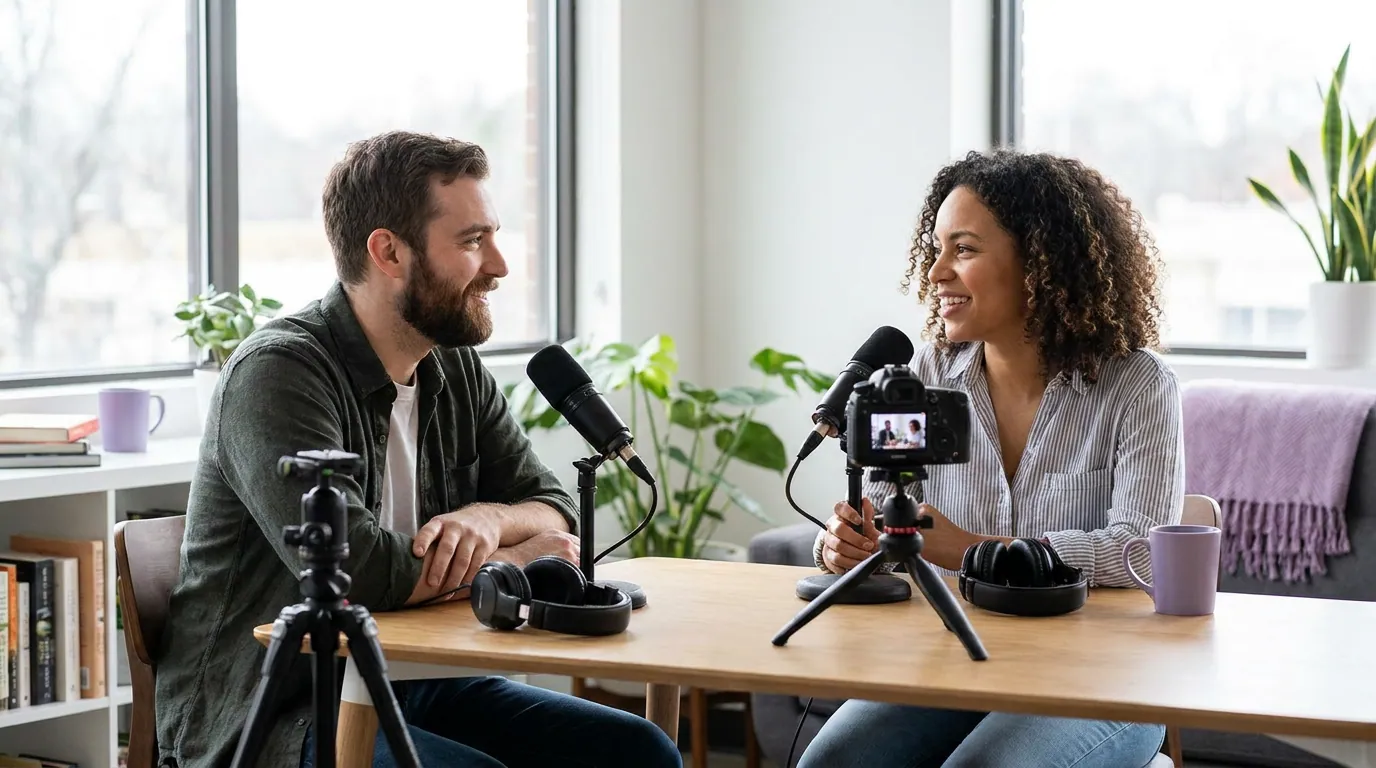
Step 4: Clip the story so the loop actually compounds
A featured story is only half the engine, the clip is what reaches people who do not listen yet. Social clips now drive podcast discovery more than personal referrals (57% of listeners rely on social media for recommendations versus 54% on friends and family, per InsideRadio), and a relationship dilemma is one of the most shareable things on the internet because everyone knows someone it describes.
Clip the relatable feeling, not the gossip. The version that travels is the anonymized voice note where someone's real emotion comes through, or the single line that names a universal experience, "I wasn't waiting for him, I was waiting for the version of him I made up." Caption it carefully, because a large share of social video is watched on mute (Digiday reporting has put muted mobile viewing at 75% and silent Facebook video as high as 85%), so an anonymized story without on-screen text says nothing. Posting clips consistently can lift discovery reach 2 to 5x (Podcast Studio Glasgow), though that figure comes from production studios with an interest in the result, so treat it as directional rather than a promise.
Close the loop on screen and in audio: every clip and every episode ends with the same ask and the same link. The clip that made a stranger feel seen is also the clip that makes them want to submit, so tell them how. This is the same compounding mechanic that lets a comedy show grow on clippable moments snowball; the difference is that your clippable moment is a feeling, not a punchline.
Common mistakes that stall a story-driven relationships podcast
- Asking once and assuming the inbox fills itself. Submissions follow rhythm. Ask in the same segment every episode with a specific, rotating prompt, or the well runs dry by week four.
- Skipping the vet to save time. Airing a fabricated story that gets called out, or a real one that names a private third party as fact, can end a show's credibility in a single episode. Two minutes of vetting per story is the cheapest insurance you have.
- Treating consent as a checkbox instead of a relationship. Vague consent, or none, is how you lose the trust that keeps people submitting. Capture specific, recorded consent and let submitters choose their anonymity level.
- Clipping the gossip instead of the feeling. The detail that identifies someone is a risk; the emotion everyone recognizes is the growth. Lead clips with the universal, anonymize the specific.
- Building only on rented platforms. A social feed can throttle your reach overnight. Move your most loyal submitters and listeners to a channel you own, start a podcast email list from zero and run a real welcome sequence, so your story call reaches people directly even when a clip gets buried.
FAQ
How do you grow a relationships podcast with listener stories? Make listeners your content engine. Ask for stories in a named recurring segment every episode, collect them through a low-friction form and voicemail line, vet each for truth and risk, feature the best with explicit consent and anonymity, then clip the most relatable moment to recruit the next batch of submissions. The participation loop is what grows the show.
How do you get listeners to send in their stories? Use a specific, recurring prompt instead of a blank "send us your story." Concrete prompts like "the text you never sent" reach a memory people already carry. Make submitting take seconds with a short form and a voice-note line, ask only for the story and their anonymity choice, and feature submissions regularly so listeners can see it actually happens.
How do you protect a listener's privacy when sharing their story? Capture explicit, recorded consent in the submission, and let each person choose their anonymity level, first name, a pseudonym, or fully anonymous with a host reading it. Then anonymize toward the non-consenting people in the story: change the names, jobs, and locations of any third party, since a submitter can consent only for themselves, not the ex they describe.
Is it legal to share a listener's relationship story on a podcast? Sharing a consenting listener's own account is generally fine. The risk is presenting an unverified accusation about a named private person as fact, a defamation exposure. Frame contested claims as one person's account, alter identifying details of non-consenting third parties, and keep your consent records. This is not legal advice; consult a lawyer about a specific story.
What kind of clip works best for a relationships podcast? The clip that travels is the universal feeling, not the identifying gossip, an anonymized voice note with real emotion, or one line that names something everyone recognizes. Caption it for sound-off viewing, since much of social video is watched on mute (Digiday), and end every clip with the same ask and link so a stranger who felt seen knows how to submit.