
Publishing Episode 1: Getting Past the Start


Publish episode one good enough, not perfect. Submit your show to Apple and Spotify three to five days before launch so the directories have time to approve it, drop two or three episodes together instead of one lonely file, then make a clip from your best moment and post it the same day. The milestone is shipping a flawed episode, not recording a flawless one.
The reason that matters is brutal and worth saying plainly. About 47% of podcasts stop at three episodes or fewer (Amplifi Media analysis), and a large share never publish episode one at all, they die in a folder of re-edits. Most shows that "fail" were not out-marketed. They were out-waited by their own host. The single best thing episode one can do is exist.
What does publishing episode 1 actually mean?
Publishing episode one means you joined a small minority who finished and shipped, not the much larger group still tweaking intros. It is a production milestone, not an audience one, almost nobody will hear it in week one, and that is normal. The number to care about now is one: one episode, live, on the apps.
Here is the honest benchmark context. A new episode that pulls 28 downloads in its first seven days already clears the median podcast, and 101 puts you in the top 25% (Buzzsprout global stats, via The Podcast Host). Those figures sound low because they are real. They also carry a caveat most launch guides hide: Buzzsprout hosts only a single-digit share of podcasts and skews indie, Spotify shares no public benchmark at all, so these numbers reflect well under 10% of the market. Treat them as indie-skewed reference points, not a scoreboard. Your episode-one downloads will be a trickle. That is the correct outcome.
The milestone that actually predicts whether your show survives is not downloads, it is getting to episode four. The danger zone runs through the first couple of dozen episodes, and by one widely cited count only about 11% of independent interview shows ever reach 50 episodes (Poddster, on PodMatch's Actively Established report), a filtered slice, but a fair proxy for how steep the climb is. Consistency, not quality, is the number-one survival predictor. Episode one is where you prove you can hit publish; the next twenty prove you can keep doing it.
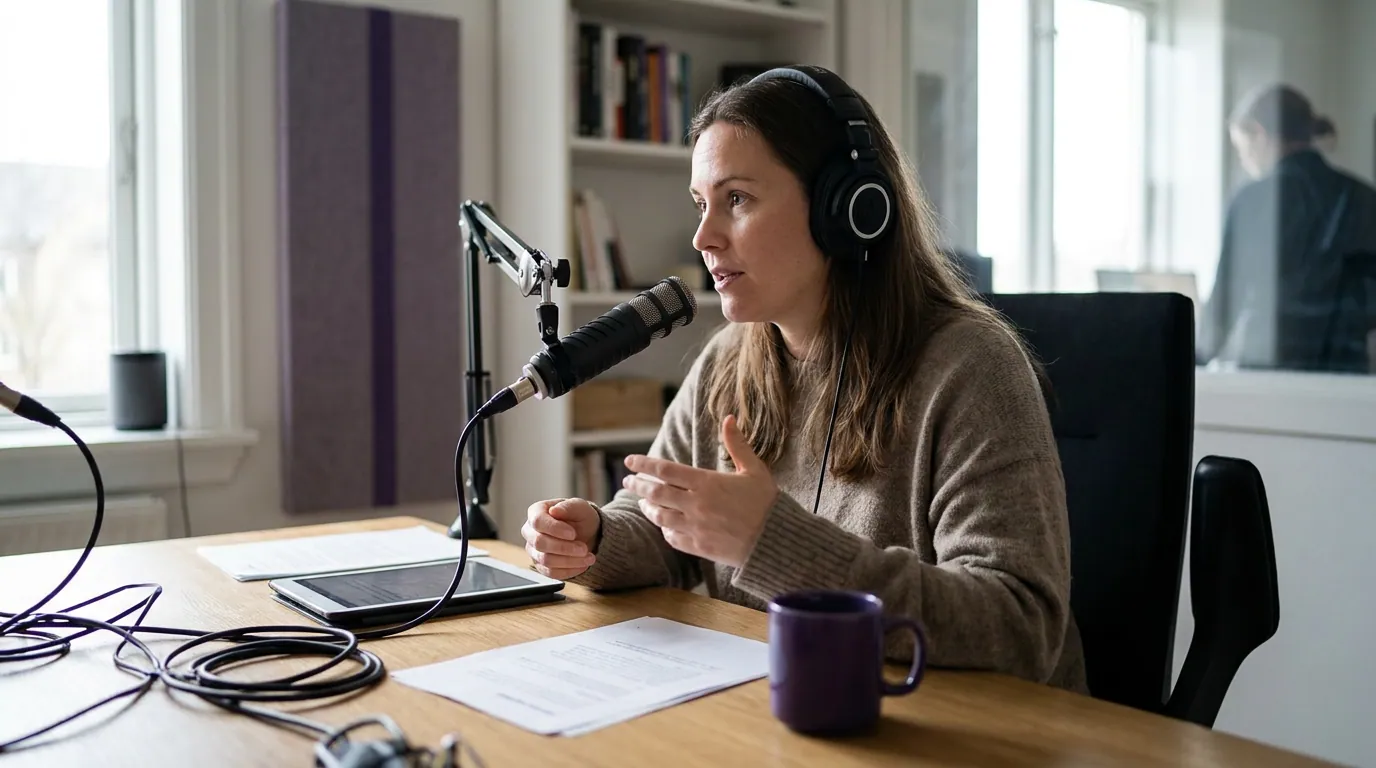
Binge launch or single drop: which for episode 1?
Launch with three episodes at once if you can, a "binge launch", and keep a single drop only as the fallback when three are not ready. Three episodes give a first-time listener a reason to subscribe instead of judging your whole show on one file recorded before you found your rhythm. One episode forces a snap verdict on your shakiest work.
The trade-off is real, so be honest with yourself about it. A binge launch costs more upfront and delays your start by a couple of weeks while you bank episodes two and three. A single drop ships faster, which matters more than polish if waiting is what stops you. The rule: if you have three decent episodes recorded, drop them together. If you have one episode and a tendency to stall, ship the one, a published single beats three perfect episodes that never leave the drafts folder.
The pre-publish and launch-day checklist
Work these in order. None of them require a better microphone, they require finishing.
- Submit to the directories 3–5 days early. Get your RSS feed approved by Apple Podcasts and Spotify before your public launch date. Apple approval can take a few days; submitting early means listeners can actually find you when you announce, instead of hitting a dead link.
- Write the show description like a search result, not a diary. The first line should name who the show is for and what they get. This is what convinces a stranger to tap play, and it is the text the apps index.
- Decide binge or single, then lock the date. A real publish date you have told people about is the deadline that beats perfectionism. Pick it before you start re-editing.
- Make a clip the day you drop. Pull one 30–90 second captioned vertical clip from your strongest moment and post it where your topic already lives. Social clips now drive podcast discovery more than personal referrals, 57% of listeners rely on social media for podcast recommendations (InsideRadio), and posting clips consistently can lift discovery reach 2 to 5x (Podcast Studio Glasgow). A clip is the only launch-day channel that reaches people you cannot message by hand.
- Tell your warm list individually, not in a broadcast. Twenty personal messages naming why that specific person would care beat one mass post. This is the bulk of your episode-one audience, and the start of your first 100 listeners.
- Ask for ratings on day 3–7, not day 1. Give people time to actually listen, then ask the few who did for an Apple or Spotify rating. Early ratings nudge the apps to surface you, and the ask works far better aimed at people who already finished an episode.
- Capture emails from minute one. A follower can vanish; an email address is yours. Put a one-line signup link in your description and show notes, see starting a podcast email list from zero and the welcome sequence that turns a first listener into a regular.
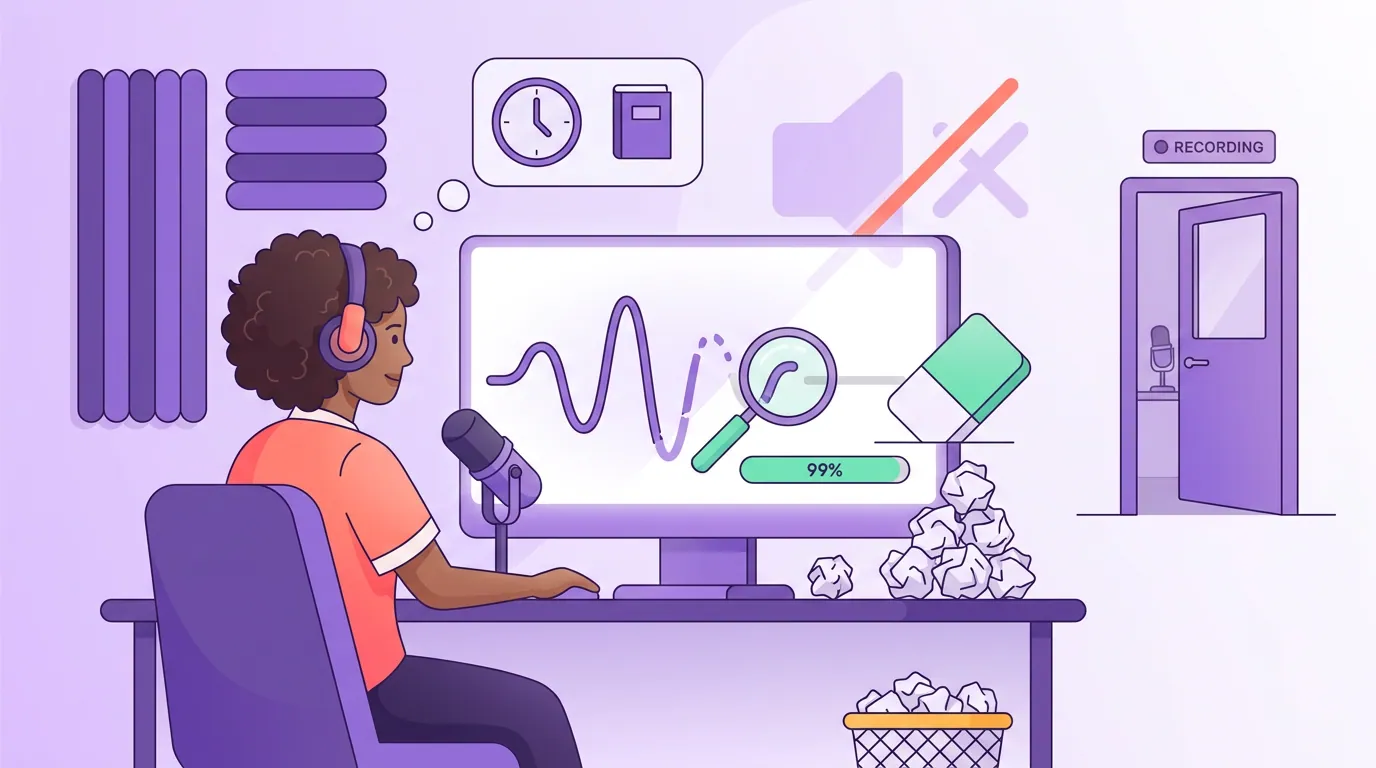
The perfectionism and silence that kill episode 1
The two things that actually stop a first episode are not skill gaps, they are perfectionism before launch and silence after it. Perfectionism keeps you re-editing the same twenty minutes until the energy that made you start drains out. Silence is what hits when episode one gets 11 downloads and your brain decides nobody cares. Both are normal, and both are beatable with a plan you set in advance.
Beat perfectionism with a hard ship date and a "good enough" bar you define before recording: levels are even, you can hear the words, the first fifteen seconds say who this is for. That is the bar. A trimmed-but-imperfect episode that exists outranks a perfect one that does not. Nobody will hear the EQ choice you agonized over; they will hear whether you showed up again next week.
Beat the silence by deciding now what the first month is for. It is not for downloads, it is for reps. Treat episodes two through five as practice for the host you are becoming, and judge yourself on publishing on schedule, not on a number that cannot move yet. The download curve starts bending once you have a back-catalog to discover and clips circulating; the early quiet is the cost of admission, not a verdict. When it starts to lift, the 100-to-500 stretch is where the work finally compounds.
What episode one actually feels like: anticlimactic, then proud. No surge, no flood of messages, just a file on the apps with your name on it and the quiet knowledge that you did the thing most people in that drafts folder never will. Mark it. Cut a 30-second highlight of your favorite line and post it as the show's first calling card. It costs one clip and gives every future listener a reason to start at the top.
FAQ
How do I publish my first podcast episode? Record one episode that clears a basic bar, even levels, audible words, a first line that names who it is for, then upload it to a host (Buzzsprout, Transistor, Spotify for Creators) and submit your RSS feed to Apple Podcasts and Spotify three to five days before your public launch. Directory approval takes time, so submit before you announce.
Should I release one episode or multiple at launch? Release two or three together if you have them ready. A "binge launch" gives a new listener a reason to subscribe rather than judging the whole show on one early file. If you only have one episode and a habit of stalling, publish the one, a live single beats unreleased perfection.
How many downloads should episode 1 get? Very few, and that is normal. An episode that draws 28 downloads in its first week already clears the median podcast (Buzzsprout, via The Podcast Host), but those numbers skew indie and reflect under 10% of the market. Episode one is a production milestone, not an audience one, judge it on shipping, not downloads.
When should I ask for ratings and reviews? Wait until day three to seven, after people have had time to listen, then ask the few who actually finished an episode. Early Apple and Spotify ratings help the apps surface you, and the ask converts far better when it goes to listeners rather than to everyone you know on launch day.
What stops most people from publishing episode 1? Perfectionism, not lack of skill. About 47% of podcasts stop at three episodes or fewer (Amplifi Media), and many never ship episode one at all because they keep re-editing. Set a hard publish date, define "good enough" before you record, and treat the first month as practice reps rather than a referendum on whether anyone cares.