
Scaling a Podcast to 10,000 YouTube Subscribers


Ten thousand subscribers is the point where YouTube starts doing your distribution for you. Below 1,000 you grow by sharing every video by hand; the average channel takes around 22 months just to clear 1,000 (BerryViral), and roughly 90% of all channels never get there at all (Social Blade data, via Awesome Creator Academy). The leap from there to 10,000 is won by three systems, not by luck: a packaging discipline that earns the click, a Shorts-to-long-form funnel that converts strangers, and a fixed format the algorithm can learn to recommend.
That last part is the one most hosts miss. The algorithm is a pattern-matcher. It cannot recommend a show that is a tech interview one week, a solo rant the next, and a guest panel the third, there is no pattern to match. Consistency in what you make, not just when you publish, is what lets a video podcast compound past the plateau where most stall.
Is 10,000 subscribers a big deal for a podcast?
Yes, it puts you well past the field. Roughly 90% of all YouTube channels never reach even 1,000 subscribers (Social Blade data, via Awesome Creator Academy), so a podcast at 10,000 has cleared a bar most never touch. It is also where the recommendation engine reliably starts surfacing your videos to strangers.
The reason that matters: YouTube is now the single most important surface for podcasts. It reported more than 1 billion monthly podcast viewers as of early 2025 (Variety) and is the #1 US podcast platform at 42% of monthly listeners, ahead of Spotify at 15% and Apple at 7% (Cumulus Media / Signal Hill Insights, via Backlinko, Oct 2025). Winning subscribers there is not a vanity exercise. It is winning the place where most new listeners now find shows.
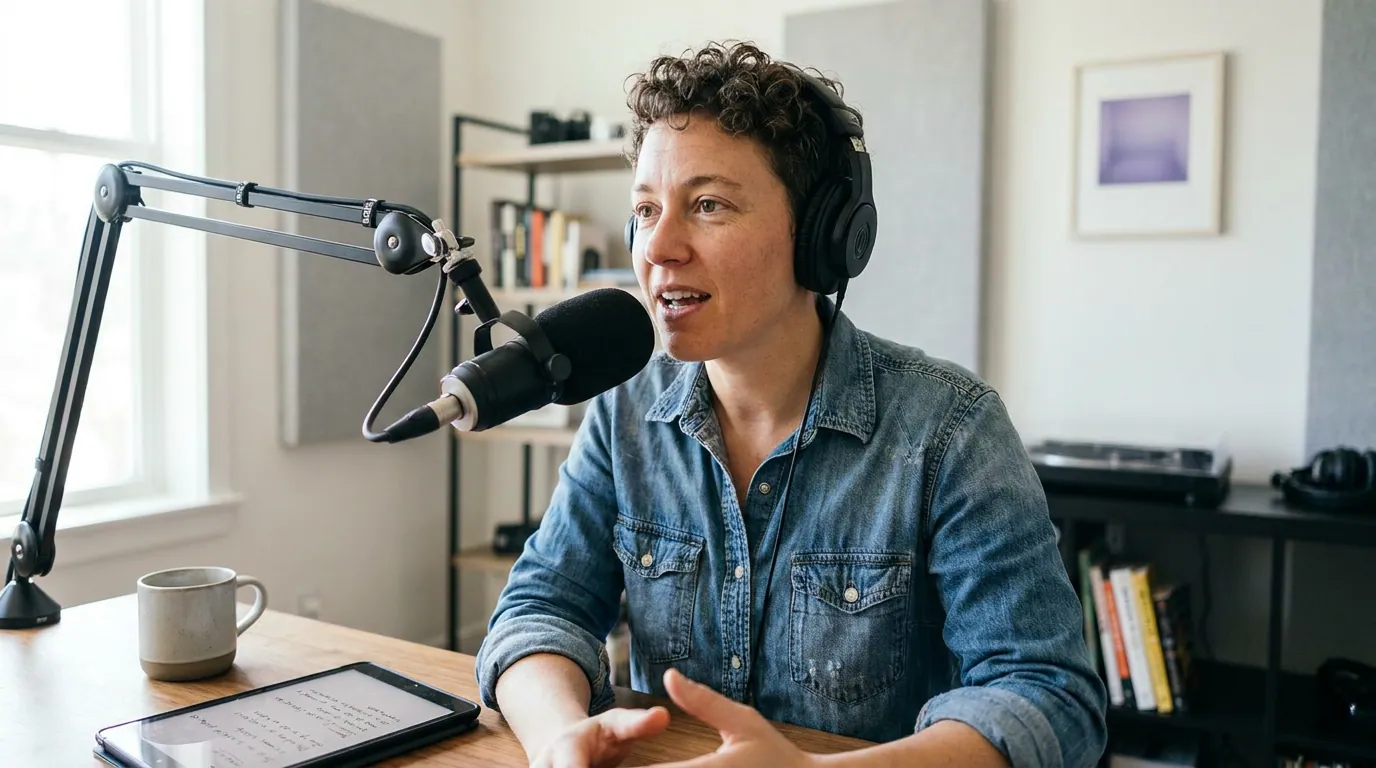
Where 10,000 subscribers sits, and what changes there
A thousand subscribers is the threshold where other shows trade audiences with you, the relative-size logic behind reaching your first 1,000 podcast listeners. Ten thousand is a different kind of threshold. It is where YouTube's recommendation system has enough watch-time data on your channel to confidently push your videos onto the home feed and the "up next" rail of people who never searched for you.
Practically, three things change at this level. Suggested-video traffic, YouTube recommending your episode beside a bigger creator's, becomes a real, measurable share of your views instead of a rounding error. Guests with their own followings start saying yes because 10,000 is reach they want to borrow. And the back catalog starts earning: an old episode can resurface months later because the algorithm decided it matches what someone is watching now. None of that happens on Spotify or Apple, where there is no recommendation surface to win.
System 1: the Shorts-to-long-form funnel
Shorts and long-form episodes do two different jobs, and treating them as one is the most common growth mistake at this stage. Shorts are your discovery engine, vertical clips that reach strangers who would never click a 50-minute video cold. The full episode is your conversion engine, where a curious viewer becomes a subscriber because they got real value for real time. The funnel only works when each piece does its own job.
Here is the mechanism. A Short stops a stranger's scroll and shows them your face, your voice, one good idea. A meaningful slice of those viewers tap through to the channel, because clips drive discovery harder than referrals now do, 57% of listeners rely on social media for podcast recommendations versus 54% on friends and family (InsideRadio, "The State of Video Podcasting 2025"). The packaged long-form episode then converts that visit into a subscribe. Shorts get you found; episodes get you followed.
A practical cadence that holds up: three to five Shorts a week pulled from your latest episode, each ending on a beat that makes the channel worth a look. Don't tell viewers to "watch the full episode", that command rarely works. Make the Short good enough that some fraction wants more, and let your channel page do the rest.
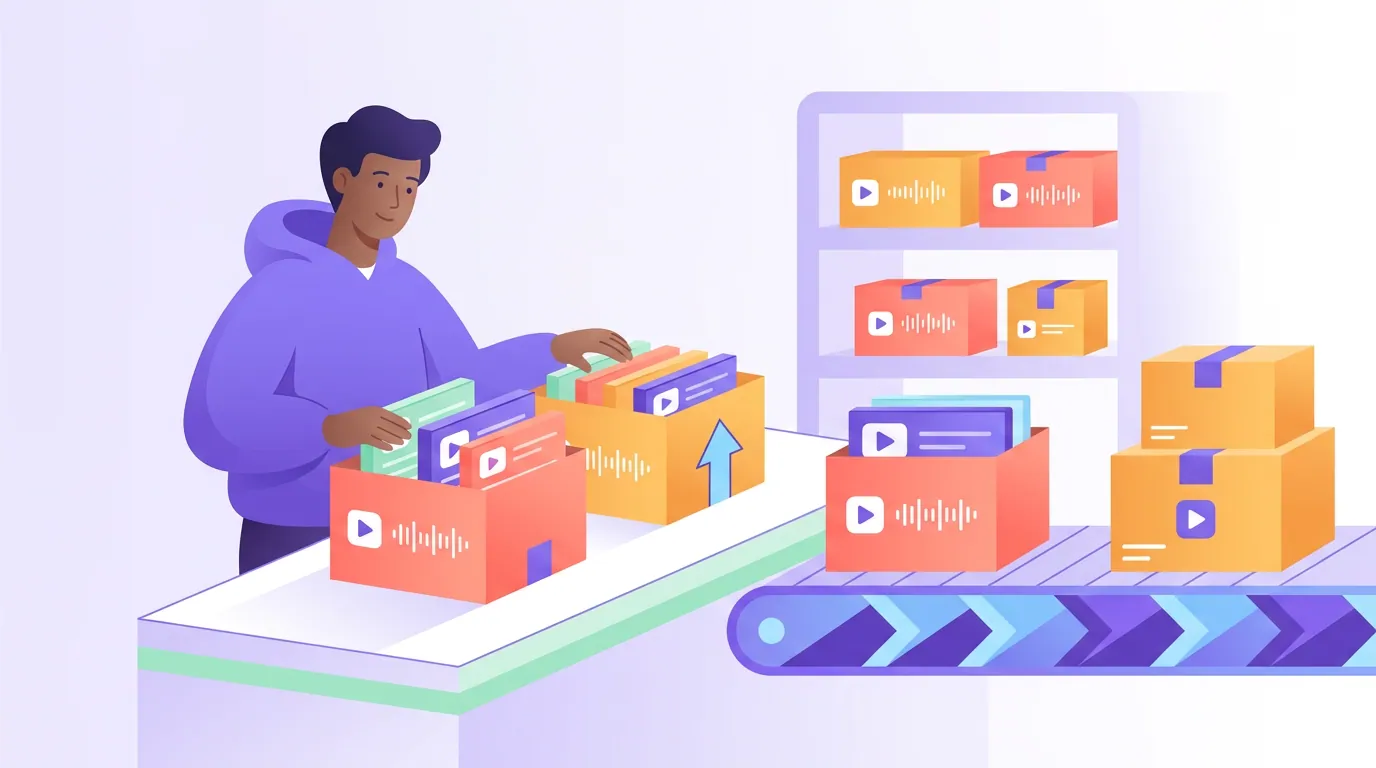
System 2: the packaging discipline
Past 1,000 subscribers, packaging beats production. A better mic or a second camera will not move your subscriber count; a title that promises something specific and a thumbnail with one readable idea will. The click happens before anyone hears your audio quality, so the click is what you optimize first.
Run every episode through three checks before it goes live.
- Write the title as a promise, not a description. "Episode 47 with Jane Doe" tells a stranger nothing. "The pricing mistake that killed her first startup" tells them exactly what they get. Name the payoff, name the stakes, and keep it readable at a glance.
- Build a thumbnail around one idea. One face, one clear expression, three or four words at most. If a thumbnail needs a sentence to make sense, it has already lost, viewers decide in well under a second. Test it shrunk to phone size; if you can't read it on a thumbnail-sized preview, neither can they.
- Open with a cold open that proves the promise in 30 seconds. Cut the intro music, the "welcome back everyone," the housekeeping. Lead with the best 30 seconds of the conversation, the line that earned the title. A strong open holds the early watch-time that tells the algorithm to keep recommending you.
System 3: the format discipline that compounds
Pick a format and hold it. The algorithm recommends what it can predict, and a channel that swings between solo episodes, panels, and explainers gives it nothing to recommend. A viewer who liked your last interview should know exactly what the next one will feel like, same shape, same length range, same kind of guest. That predictability is not boring; it is how a show becomes a habit and how YouTube learns who to show it to.
This is the same survival principle that carries a show through its early milestones, from your first 100 listeners to a sustained 500 a week: consistency compounds, and gaps reset the habit. On YouTube it compounds twice, once with your audience and once with the recommendation engine. Defend a fixed publish day, a fixed format, and a fixed length band, and let the back catalog accumulate watch-time underneath you.
And keep one asset off-platform. Subscribers are a loan the algorithm can call back; an email address is owned audience you reach whenever you publish. Send your YouTube subscribers somewhere you control, start with a podcast email list from zero and a five-email welcome sequence, so a single ranking change can't erase the audience you spent two years building.
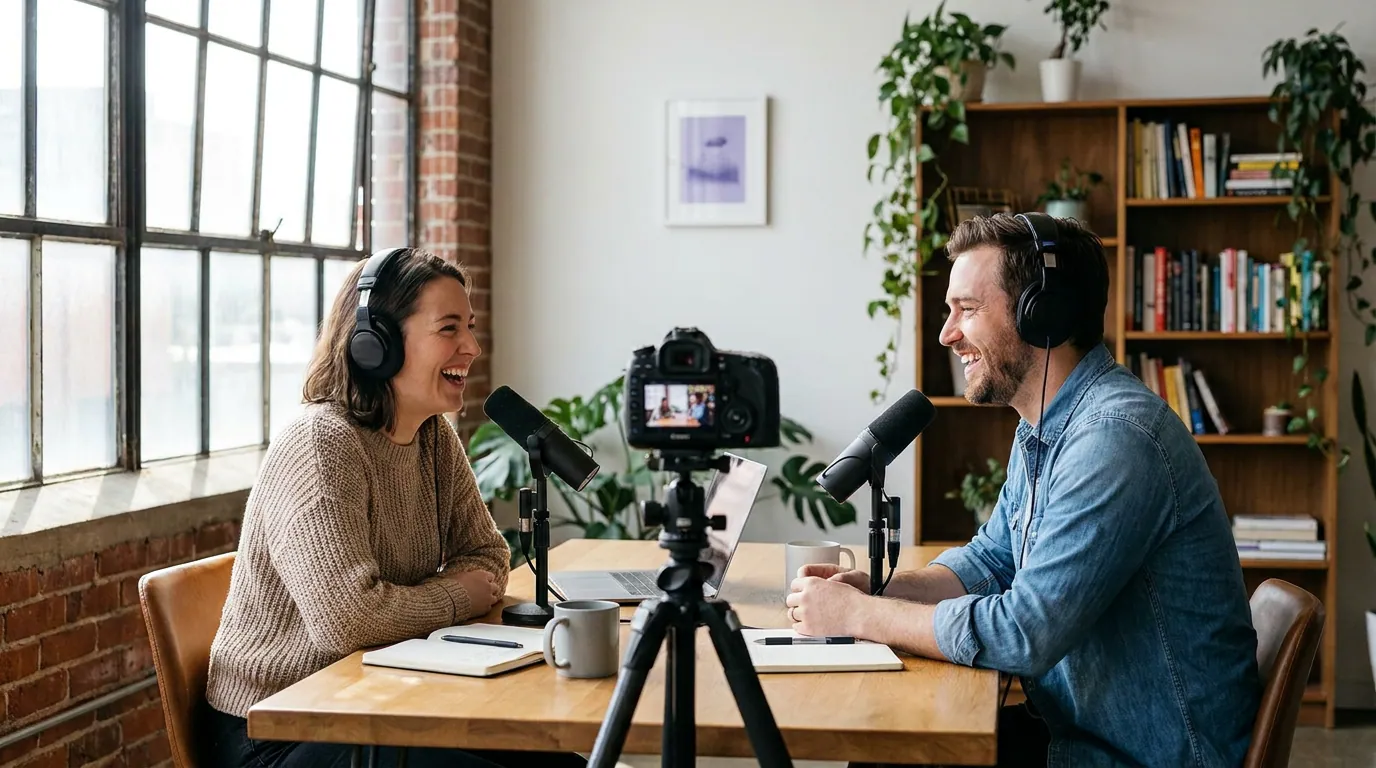
What 10,000 actually feels like (and what to do next)
Steadier than the early spikes, and your effort now buys more reach per hour. The jolt of a stranger finding you has become routine, the recommendation engine surfaces an episode, a Short overperforms, a guest's audience drifts in for a week. The wins are bigger and quieter: suggested-video traffic you didn't chase, an old episode resurfacing, a guest who used to ignore you now pitching themselves.
Treat it as a base camp, not a finish line. Plenty of channels touch 10,000 and stall because they relax the format or skip a publish week and the algorithm cools on them. The habits that got you here, three to five Shorts a week, packaged episodes, a fixed format, an email list underneath, are the same ones that carry you toward 50,000. Mark the milestone, then keep the rhythm exactly as it was.
FAQ
Is 10,000 YouTube subscribers good for a podcast? Yes, strongly. Roughly 90% of all YouTube channels never reach even 1,000 subscribers (Social Blade data, via Awesome Creator Academy), and the average that does takes about 22 months (BerryViral). A podcast at 10,000 has cleared a bar most channels never approach, and it is the level where YouTube's recommendations reliably start bringing strangers to you.
How long does it take a podcast to reach 10,000 YouTube subscribers? There is no fixed timeline, but expect well over a year of consistent weekly publishing, the average channel takes around 22 months just to clear 1,000 (BerryViral). Pace depends far more on niche size, packaging quality, and how consistently you ship Shorts and episodes than on raw episode count.
Do Shorts actually grow a podcast channel, or just inflate view counts? They grow it when used as a funnel, not a vanity metric. Shorts reach strangers a long-form video never would, clips now drive discovery more than referrals, at 57% versus 54% for friends and family (InsideRadio). The subscribe still happens on the full episode, so judge Shorts by channel visits and subscribers, not Short views alone.
Should I focus on YouTube or audio apps to grow a podcast? YouTube, if you have to choose, because it is where new listeners now are: 42% of US monthly podcast listeners versus 15% on Spotify and 7% on Apple (Cumulus Media / Signal Hill Insights, via Backlinko). It is also the only major platform with a recommendation engine you can win. Keep publishing the audio feed, but treat YouTube as the discovery surface.
Why is my video podcast stuck below 10,000 subscribers? Usually packaging or format, not content quality. If your titles describe instead of promise, your thumbnails need a sentence to make sense, or your show changes shape every week, the algorithm has nothing to recommend and viewers have nothing to expect. Fix the packaging and hold one format before assuming you need a bigger audience or better gear.