
How to Encourage Podcast Fan Accounts (Listener-Run)


To encourage listener-run fan accounts, remove the friction and the fear: tell fans exactly what they may do with your show before they ask, hand them the raw materials for good posts, and credit their work in public. You foster fan accounts by granting permission and supplying assets, not by policing every clip. The four moves below are the system.
The instinct most creators get wrong is control. A fan posts a clip, it does well, and the host's first thought is "but they didn't ask me." That reflex kills the most valuable free distribution a small show will ever get. The accounts reposting your moments are reaching people you cannot, on platforms where they already have trust. Your job is to make their job easier, not to make them ask permission for every 30 seconds.
Why fan accounts are worth encouraging
Fan accounts matter because discovery has moved to exactly where they operate. 57% of listeners now rely on social media for podcast recommendations, narrowly passing the 54% who rely on friends and family, the first year social clips beat personal referrals (InsideRadio). A fan account is a person posting your clips into that exact stream, for free, with their own audience's trust attached.
The shift is bigger than one survey. Short-form clipping has become its own fast-growing channel, with independent clippers flooding feeds across every platform. Some of those clippers are strangers chasing views. The smart move is to convert the ones who already love your show into a deliberate, motivated extension of your distribution.
There is a money tail to this too. Podcast creators earned $629 million on Patreon in 2024, up 33% year over year, making podcasting Patreon's biggest content category (Variety). The listeners who run fan accounts are the same cohort that backs you financially. Treat them well in public and you are watering the part of the audience that funds the show.
The fostering framework: four moves
Fostering fan accounts breaks into four parts, in order: set permissions, ship assets, reshare with etiquette, and credit publicly. Most creators do none of them and wonder why fan content is thin and off-brand. The fix is not a contract, it is clarity plus generosity. Here is each part.
Move 1, Publish a three-tier permission ladder
The one move that pays off most is to tell fans what they're allowed to do before they have to ask. Ambiguity is the killer. A listener who is unsure whether reposting your clip will get them a copyright strike or an angry DM simply won't post. So put your usage rules in writing, somewhere public, a pinned post, a page on your site, the show notes, and structure them as three tiers.
The point of the ladder is that the green tier is large and the off-limits tier is short. If your "please don't" list is longer than your "go ahead" list, you've built a fence, not a welcome mat. Keep off-limits to the genuinely harmful: full-episode re-uploads that cannibalize your own platform numbers, paywalled bonus content, and edits that distort what a guest actually said, that last one protects your guests, which protects your ability to book the next one.
One honesty note on the legal frame. Granting permission like this is you choosing not to enforce copyright you hold on your own recordings, which you're free to do. It does not override the rights of third parties in your audio: licensed music, a guest's likeness, or clips of someone else's footage you don't own. Say so in the off-limits tier, because a fan who gets a music-copyright strike on your behalf will not make a second clip.
Move 2, Ship a fan-asset kit
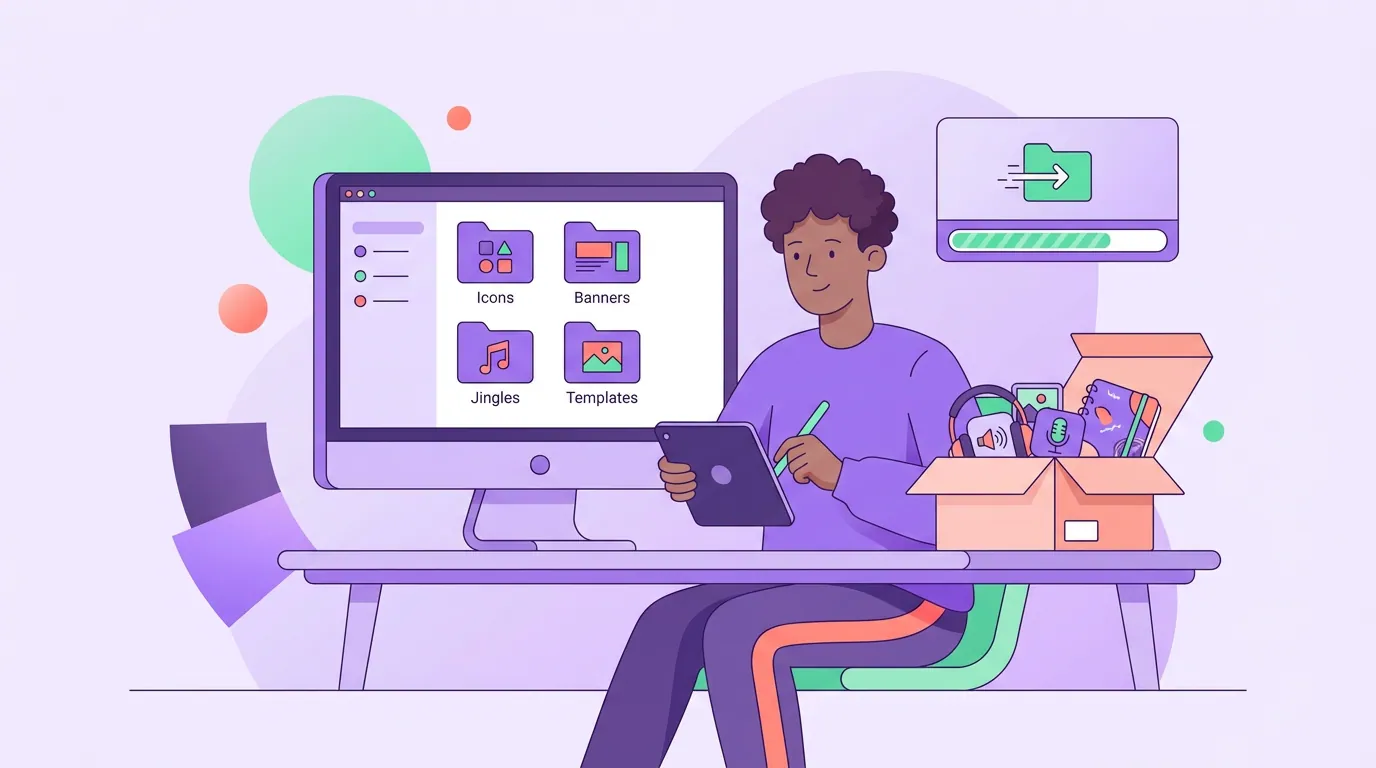
Fans make off-brand posts because you gave them nothing to work with, then you quietly resent the off-brand posts. Fix the supply side. A fan-asset kit is a single shared folder, a public link in your bio, holding the raw materials that make a fan's clip look like it came from you.
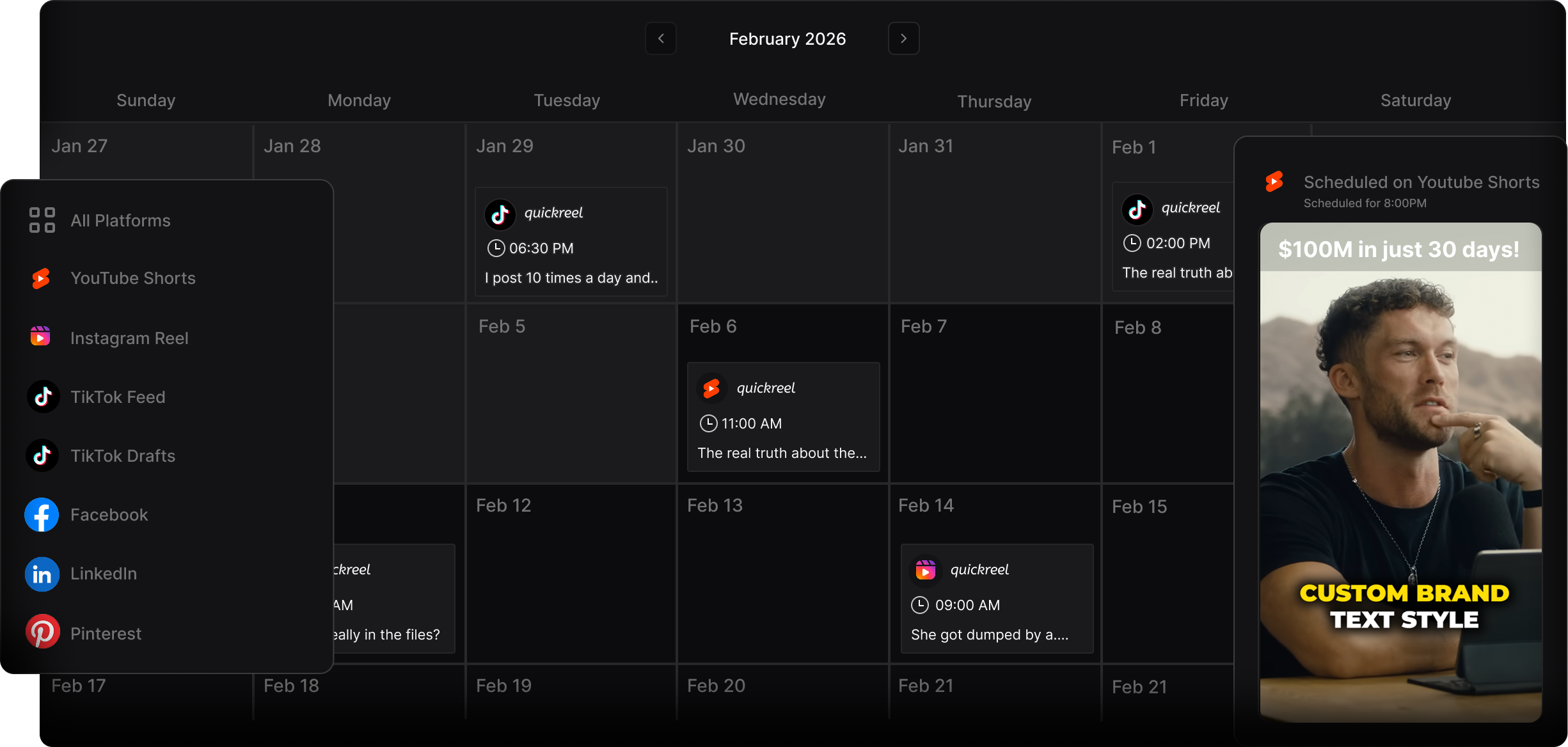
The starter clips matter more than the logos. Drop three to five already-cut, already-captioned moments into the kit each month and you remove the hardest step, finding and editing the moment, for the fan who wants to help but isn't an editor. This is also where consistent caption styling and brand templates earn their keep: when the assets you supply carry one look, every fan repost reinforces the same visual identity instead of scattering it. If you produce clips with QuickReel, its brand templates and 12+ caption styles let you export those starter clips in a single look fans can match.
The kit doubles as a filter. Fans who download it and post with your captions and handles are signaling real investment, those are the accounts to build a relationship with, the way you would nurture any podcast email list from zero. The kit is the first asset; the relationship is the compounding one.
Move 3, Reshare with etiquette, not just reflex
Resharing fan content is the cheapest motivation there is, but the way you do it decides whether fans feel celebrated or strip-mined. Etiquette here is simple and it is mostly about restraint. Three rules cover almost every case.
- Always credit, always tag, before you post. Repost the fan's version, keep their handle visible, and tag the account. Stripping a fan's watermark to repost a "clean" version is the fastest way to lose them, they made it, so their name rides along.
- Ask before you commercialize it. Reposting a fan clip to your story is etiquette-default-yes. Putting it in a paid ad, on merch, or in a sizzle reel for a sponsor is a different ask, get a quick yes first. The line is money: free reach needs no permission, revenue does.
- Don't only reshare your superfans. If the same three accounts get every repost, everyone else stops trying. Spread reshares across new and small accounts deliberately; a 40-follower fan whose clip you boost becomes a 400-follower evangelist.
The deeper version of this lives in a place fans gather. A Discord for your podcast listeners gives fan creators a room to share what they made, get feedback, and see you respond, which turns a one-off repost into an ongoing collaboration. The reshare is the spark; the community is where it keeps burning.
Move 4, Credit publicly and make it status
Money is not the main currency for fan creators, status is. The single most effective thing you can do to keep fan accounts producing is to make their effort visible inside your show and your audience. Read the best fan clip on the next episode, by name. Pin a "fan post of the week." Add a fan-creators highlight to your link in bio. Recognition from the host they admire is a reward no algorithm can match, and it is free.
Build it into a rhythm. A monthly "made by listeners" roundup, in your newsletter, on the feed, in the community, gives fans a recurring stage to aim for, the same way a tight welcome sequence for new subscribers gives new listeners a reason to stay. When fans know there's a regular spotlight, they keep making things to be spotlighted.
Two honesty guardrails before you scale this. First, in sensitive genres, permission is not enough, context matters. If you cover real people or real harm, fan-made content can cross lines you'd never cross yourself, so set tighter rules; the same care that governs growing a true crime podcast without crossing ethical lines applies to what you'll let fans publish in your name. Second, don't pay for advocacy. Paid clippers and referral-contest entrants chase the bounty, not the show, the genuine fan account that grows you is a byproduct of a show worth making clips about, not a campaign you can buy.
Common mistakes that smother fan accounts
- Policing instead of permitting. A takedown DM over a clip with 12 likes tells every other fan to stay quiet. Reserve enforcement for the off-limits tier; default to thank-you everywhere else.
- No published rules. If your usage terms live only in your head, fans guess, and guessing means not posting. The permission ladder exists to remove that hesitation.
- An empty asset folder. Asking fans to "make clips" without giving them clips, fonts, or handles guarantees off-brand, low-effort output you'll like even less.
- Resharing without crediting. Reposting a fan's work as your own, even by accident, is the one move that turns an advocate into an ex-advocate overnight.
- Treating fan reach as a conversion. A fan clip with big views still has to point somewhere. Virality without a next step is empty engagement, make sure your bio and pinned post give a discovered viewer a real reason to subscribe, which is what lead magnets that convert are for.