
How to Build a Real Relationship With a Bigger Podcast


Build a relationship with a bigger podcaster by giving value for three to six months before you ask for anything: clip their best moments and tag them, leave a real review and engage publicly, then send them referrals or leads. Make the collab ask only after they've replied to you like a peer. Give first, ask last.
Most hosts do the opposite. They find a show ten times their size, write a cold email asking for a guest swap or a feed drop, and never hear back. The bigger host gets dozens of those a week and ignores all of them, because there's no reason to spend their audience on a stranger. The hosts who actually land collabs with shows above their weight didn't pitch faster or write a better email. They spent a season being genuinely useful to that person first, so by the time the ask came, it wasn't a cold pitch, it was a favor between two people who already knew each other. This guide gives you the ladder to climb and the signals that tell you when you've climbed high enough to ask.
Why give-first beats the cold pitch with bigger shows
The math is simple and unforgiving. A bigger show has more to lose and less to gain from a swap with a smaller one, so the only thing that moves them is a relationship that already exists. Cold outreach asks them to take a risk on a stranger; a give-first approach makes you a known, helpful name before any request lands.
The give-first ladder works specifically because of where podcast discovery now happens. As of 2025, 57% of listeners rely on social media for podcast recommendations, the first time social passed friends and family (InsideRadio). That means a clip you make of a bigger host's best moment, posted with their name on it, is a real gift, it puts their show in front of your audience and on the exact surface where new listeners now find shows. You're not flattering them. You're doing free distribution.
There's a supply-side reason this lands, too. Of roughly 4.7 million registered podcasts, only about 483,000 are actively publishing, close to one in ten (The Podcast Host). A host who's been publishing consistently enough to grow has survived the field that kills most shows. They notice the few people who show up reliably to support them, because reliable support is rare. Be one of those people for a season, and you stop being a stranger.
The give-first ladder: three rungs of value before any ask
Climb the ladder in order, and don't skip to the top. Each rung makes you more visible and more useful to the bigger host, and the ask only works once you've spent real time on the first three. Plan on three to six months, slower if the host is much bigger, faster if you're close in size. Pick one show, not ten; this is depth, not a campaign.
Rung 1: clip their best moments and tag them
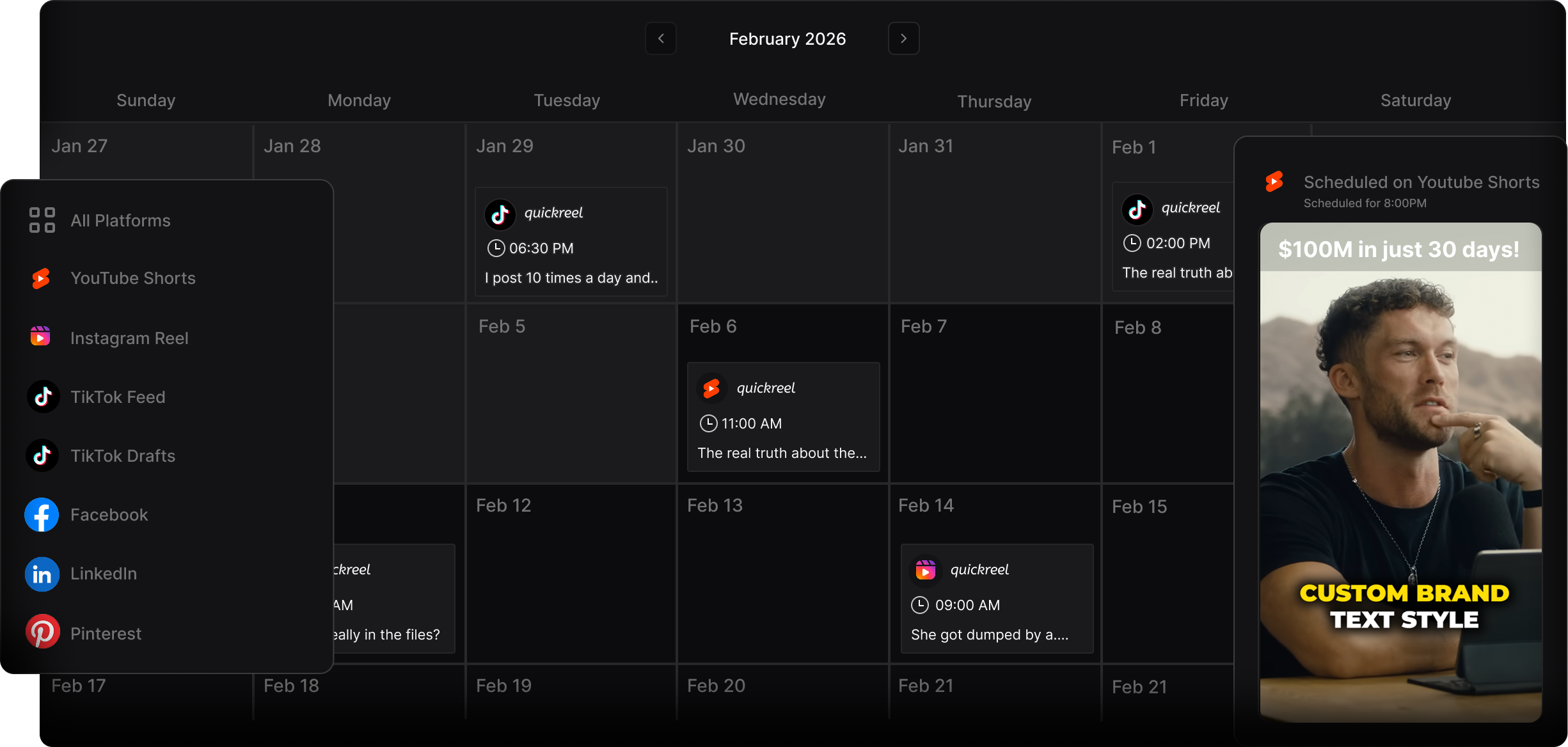
Start here because it's the most useful and the most visible. Pull two or three of the bigger show's sharpest moments, a strong take, a surprising line, a funny exchange, turn each into a captioned vertical clip, and post it to your channels with the host's handle tagged and the episode credited. You're handing them reach on the surface where podcast discovery now lives, and you're doing it without asking for a thing.
Do this for real episodes you actually listened to. A generic clip with a lazy caption reads as transactional and the host can tell. A clip that picks the moment they'd have picked, with a caption that frames why it's good, signals you understand their show. With clips driving an estimated 20–40% of new audience for video shows (Podcast Studio Glasgow), a steady drip of well-made clips of their content is a gift with a number attached.
Rung 2: engage publicly and review
Once you're clipping, become a visible, recurring presence around their show. Leave an honest, specific Apple or Spotify review that names what you actually got from an episode, not "great show," but "the segment on pricing in episode 84 changed how I package my offer." Comment thoughtfully on their posts. Share their episodes to your own email list with a real recommendation.
The point is to be seen being useful, repeatedly, over weeks. Hosts read their reviews and notice the same name appearing in their comments and mentions. Public engagement is the rung that turns "some account that clipped me once" into "that person who keeps showing up for the show." Keep it genuine; manufactured enthusiasm is obvious and it burns the relationship before it starts.
Rung 3: send referrals, leads, and intros
This is the rung that flips the relationship from one-way to two-way, and most people never reach it. Send the bigger host something they actually want and can't easily get: a guest lead they'd never have found, an intro to a sponsor or a peer, a heads-up about a tool or a trend relevant to their show, a correction or a useful resource sent privately and kindly.
Now you're not a fan, you're a contact who brings value. A host who has received a real referral from you remembers your name in a different category entirely. One genuinely useful intro does more for the relationship than fifty clips, because it costs you something and it proves you're playing a long game, not angling for a quick favor.
When to make the ask: the timing signals
Make the ask only when the relationship has become two-way, when the host knows your name, has replied to you personally at least once, and ideally has done something for you back. Impatience is the single biggest reason these asks fail. If you're asking because three months passed, that's the wrong reason. Ask because the signals turned green.
Watch for these green lights before you send anything:
- They've replied to you personally. A like isn't a reply. A comment back, a DM thanking you for a clip, or a reply to your email means you've registered as a person, not an account.
- They've reciprocated publicly. They shouted you out, reshared your clip, or mentioned your show unprompted. Reciprocity is the clearest sign the relationship is two-way.
- They acted on something you gave. They booked the guest you referred, used the intro, or thanked you for the lead. You've moved from "fan" to "contact."
- Your ask is small and specific. The first ask should be the lowest-lift thing that helps you, a trailer swap or a single shared clip, not a 60-minute guest spot. Easy yeses build toward bigger ones.
When those are true, keep the ask short, name the specific thing, and make it easy to say yes. "I've loved clipping the show, would you be up for swapping trailers next month? I'll make both clips so it's zero work on your end." That lands because you've earned the context to send it.

How often should you give before you make the ask?
Give consistently for three to six months, showing up weekly, before you ask for anything. That means a steady drip of clips, real reviews, thoughtful comments, and the occasional referral, not a single burst of effort. The point is reliability over time: a host notices the person who keeps showing up for a season, and that recognition is what earns the ask.
Common mistakes when building the relationship
- Asking on the first contact. A cold pitch to a much bigger show is a near-guaranteed no. Climb the ladder first; the ask should feel inevitable, not surprising.
- Faking the give. A generic clip, a copy-paste "love your show," or hollow comments read as transactional. Hosts can tell the difference between a fan and a funnel. Be genuinely useful or don't bother.
- Spreading thin across ten shows. This is depth, not a numbers game. One relationship built over six months beats ten shallow ones. Pick the show whose audience actually overlaps yours, the partner-fit work decides who's worth the season.
- Giving once and going quiet. A single clip isn't a relationship. Consistency is what gets noticed, most shows fade out (only about one in ten of the 4.7 million registered podcasts still publishes), so a person who keeps showing up for a season stands out by sheer rarity. Show up weekly.
- Making a huge first ask. Don't open with the biggest favor. A trailer swap or a co-published clip is an easy yes; a guest spot or feed drop is a heavy lift. Start small, then escalate.
When the relationship is warm and you're ready to formalize a swap, the mechanics matter. Use the cold pitch template for getting bigger shows to swap to frame the ask, and the feed drop swap guide once you've graduated to a full audience trade.
FAQ
How long does it take to build a relationship with a bigger podcaster? Plan on three to six months of consistent give-first effort before you ask for anything. The gap matters: a show close to your size warms up in weeks, while a show ten times bigger may take two seasons of clips, reviews, and referrals. Ask when the signals turn green, not when the clock says so.
What's the best first thing to give a bigger host? A captioned clip of their best moment, posted to your channels with their name tagged and the episode credited. It puts their show in front of your audience on the exact surface where most discovery now happens, costs them nothing, and shows you actually listen. It's the most useful, most visible opening move.
How do I know when it's okay to ask for a collab? When the relationship has become two-way: they've replied to you personally, reciprocated publicly, or acted on something you gave them, and your ask is small and specific. If you're asking because you're impatient rather than because they know you, it's too early. Wait for the green lights.
Should I tell the host I'm hoping to collaborate eventually? No, let the giving speak first. Announcing your end goal up front makes every clip and review read as a setup for the ask, which kills the goodwill. Give genuinely with no strings, and raise the collab only once the relationship can clearly carry it.
What if the bigger host never responds at all? Give it a full season of consistent, genuine value before you reassess. If there's still zero reply after several months, the audience fit may be off or the show may be too far above your weight, move the energy to a show closer to your size where the relationship can actually become two-way.
Once a warmed-up relationship starts sending you listeners, capture them before they drift. Set up a podcast email list from zero and a 5-email welcome sequence so a hard-won collab turns into subscribers you keep, not a one-day spike.