
Be a Podcast Guest to Grow Your Own Show


Guesting grows your show only when you treat it as an acquisition channel, not a vanity appearance. Give listeners one memorable place to go, drop a trackable link and a unique handle for that specific spot, and measure how many people actually migrated. Without those three pieces, a great interview sends you almost no one.
Most hosts approach guesting backwards. They chase big shows, deliver a strong conversation, mention their podcast once near the end, and then wonder why their download chart never moved. The conversation was never the problem. The handoff was. A listener has to hear you, remember your show's name, decide to act, and then find you, and each of those steps quietly loses people. This guide treats the whole thing as a conversion funnel and gives you a repeatable system to plug the leaks and prove which appearances paid off.
Why a single guest spot usually sends so few listeners
A guest appearance leaks audience at every step between "heard you" and "subscribed." Someone has to catch your call-to-action while doing something else, retain your show's name, care enough to act, type it correctly, and then like what they find. Realistically, only a sliver clears all five. The fix is to shorten and de-risk every step, not to land a bigger show.
Start with where discovery actually happens now. As of 2025, 57% of listeners rely on social media for podcast recommendations, the first time social passed friends and family (InsideRadio). That reframes what a guest spot is worth. The audio reaches the host's existing subscribers; the clip of your best two minutes can reach people who have never heard either show. A guest appearance you never turn into shareable video is leaving most of its reach unused.
There is also a discovery-mode shift working in your favor if you record on camera. The share of new US weekly listeners who prefer to watch a podcast rose from 30% in April 2022 to 53% (Backlinko). Asking a host whether they record video, and saying yes when they do, is now part of guesting strategy, it determines whether your appearance can travel as a clip later.
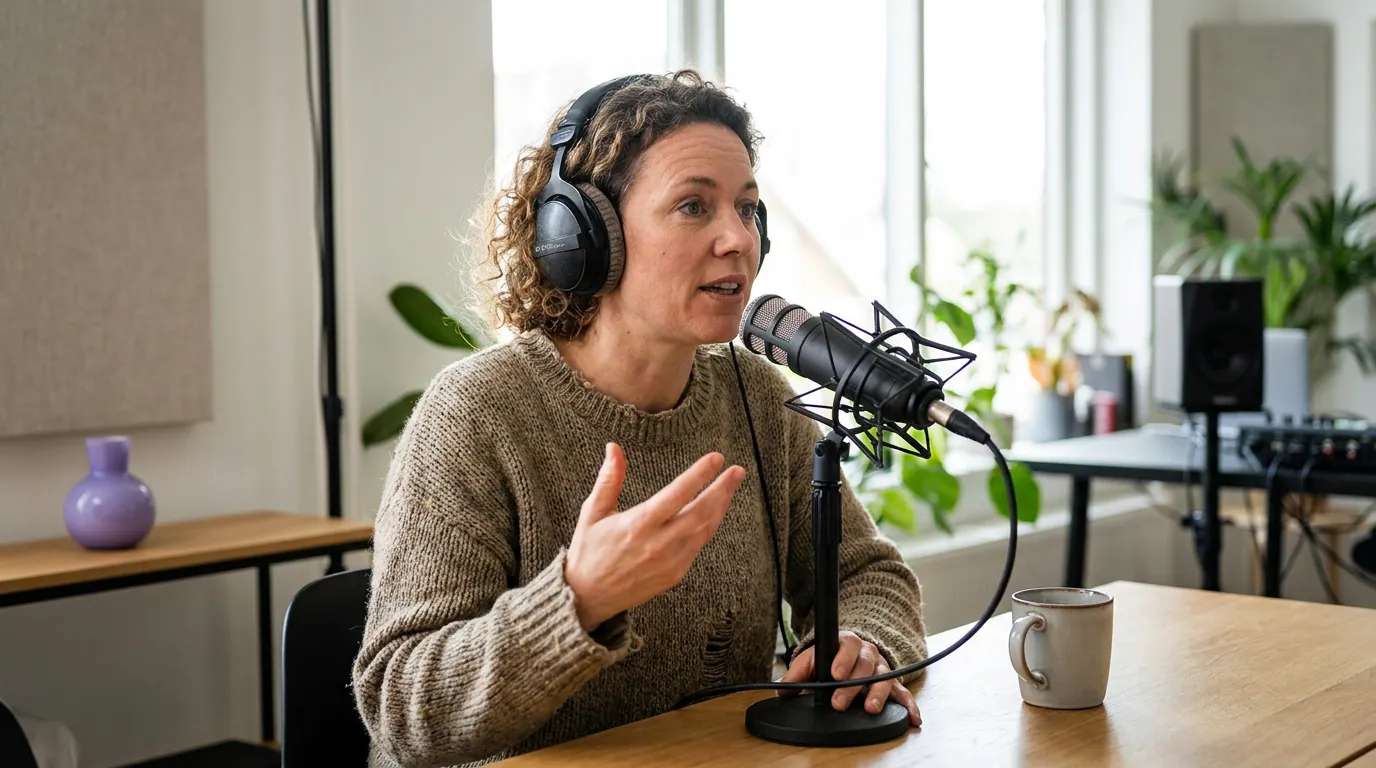
The conversion-focused guesting system
Treat each appearance like a landing page. There is one goal, one destination, and one way to measure whether it worked. Here is the system step by step.
1. Pick one destination and name it twice
The single biggest leak is asking for too many things. "Find my show, and my newsletter, and follow me on Instagram, and check out my course" gives a listener five choices, so they make none. Choose one destination per appearance and say it twice, once in the middle of the conversation when you're mid-story, and once at the end when the host asks where people can find you.
For show growth, the destination is usually your podcast. But "search for My Show wherever you listen" is weak: it relies on the listener spelling it, on search returning you above similarly-named shows, and on them caring enough to dig. A named, typeable URL beats "search for it" every time. Send people to one page you control, for example, a simple yourshow.com/listen that links out to Apple, Spotify, and YouTube, so you control both the experience and the tracking.
2. Make the link trackable per appearance
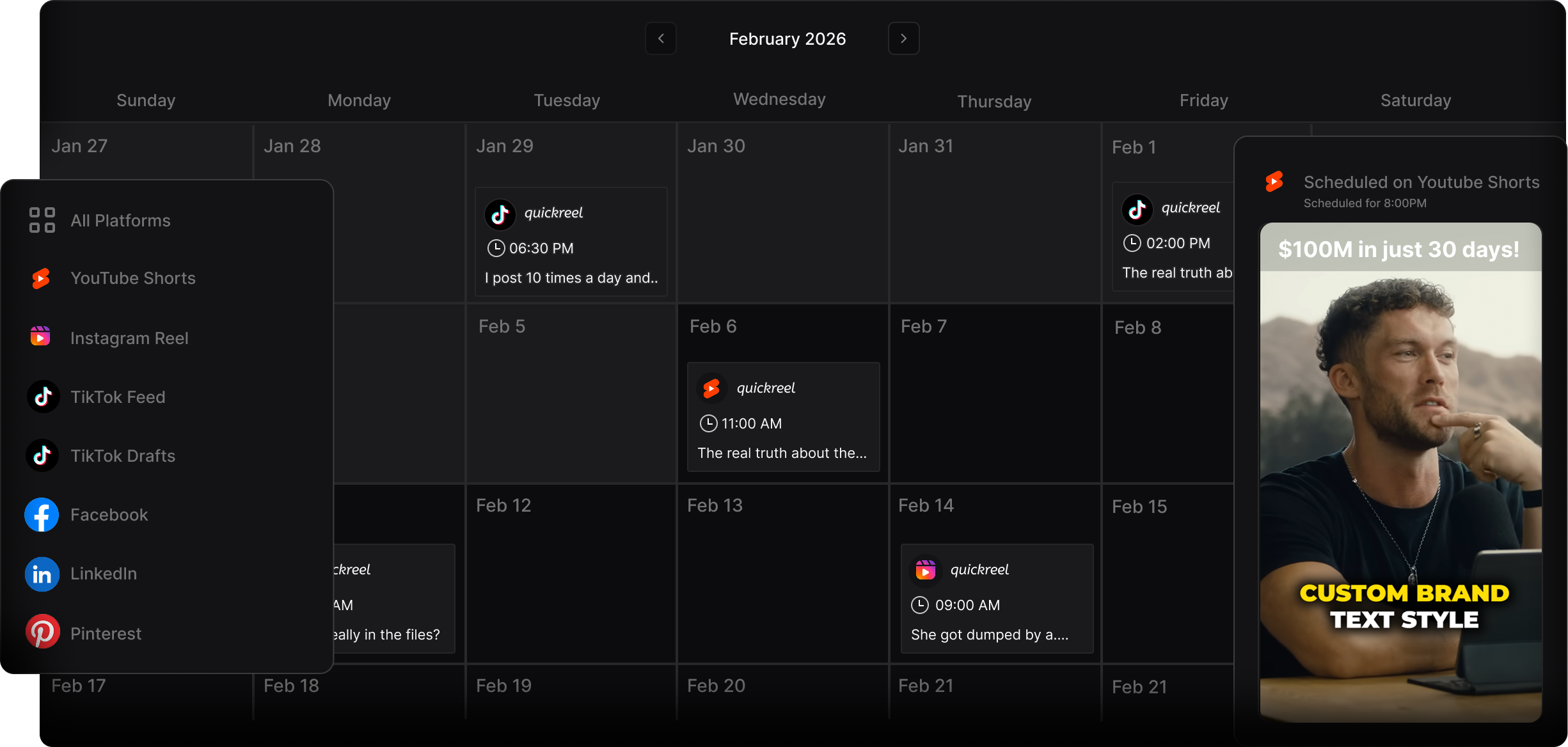
This is the step almost no guest does, and it's the one that turns guesting from a hope into a channel. Create a unique trackable link for each appearance so you can tell which spot sent traffic.
The simplest version: use one landing page and append a UTM tag per show, like yourshow.com/listen?ref=hostname. Anyone who lands there from that interview shows up as a distinct source in your analytics. If you'd rather not say a long URL out loud, a short branded redirect, yourshow.com/showname pointing at the tagged page, is easy to say and still trackable. A vanity code ("tell them the host sent you" with a real reason to, like a bonus episode) works in audio where links don't.
If your appearance is on video, the trackable equivalent is a unique handle drop or pinned comment the host can add: a single line in the description with your tagged link, plus your handle said clearly so on-screen captions catch it. Spoken handles that get captioned are searchable later.
3. Be worth following before you ask
None of the tracking matters if your segment doesn't earn the follow. The conversion happens in the content, not the CTA. Give one genuinely useful, specific takeaway people can use that day, a number, a process, a counterintuitive opinion, rather than a tour of your résumé. A listener follows you because you said one thing they want more of, then you told them exactly where to get it.
4. Turn the appearance into a clip
Audio reaches the host's subscribers once. A 30-to-90-second clip of your sharpest moment reaches their social audience and yours, repeatedly, with captions for the majority who watch on mute. Most social video is viewed without sound, Sharethrough found 75% of people often keep their phone muted while watching video, and publishers told Digiday in 2016 that ~85% of Facebook video was watched silently. Both are self-reported and directional, not platform-measured, but the direction is clear enough that captions aren't optional. Ask the host for the raw segment or a timestamp, cut your best moment, caption it, and post it with your trackable link in the caption or bio. This is where the InsideRadio finding above pays off: the clip is what travels through the social feeds where recommendations now live.
How to measure listener migration from a guest spot
You can't manage a channel you don't measure, and "I think it helped" is not a measurement. Use three signals together, because no single one is clean on its own.
- Tagged landing-page visits. Your per-appearance UTM link tells you how many people clicked through from that specific spot. This is your most direct number, but it only counts people who used the link, so treat it as a floor, not the total.
- Branded-search and direct-traffic lift. Many listeners won't click; they'll search your show name later. Watch your branded search and direct traffic in the days after an episode drops. A bump that lines up with the publish date is real signal, even though you can't attribute every visitor.
- A one-question survey. Add "Where did you first hear about us?" to your show notes, welcome email, or a pinned community post. It's the only way to catch the listeners who found you with no traceable click. Self-reported attribution is rough, but over dozens of responses the pattern is honest.
Read these together. If a spot drove a click spike, a branded-search bump, and three survey mentions, it worked, repeat that host's type. If a "big" show drove none of the three, the audience wasn't a fit, and its size was a trap.
The honest caveat: guesting is a slow, compounding channel, not a spike machine. One appearance rarely moves your chart visibly. Ten well-targeted appearances with the same tracked CTA, over a quarter, build a measurable, attributable trickle, and the clips keep working long after the episode falls out of the feed.
Common mistakes that quietly kill guesting ROI
- Chasing size over fit. A huge show whose listeners don't overlap yours sends nothing. Apply the same fit logic you'd use to find the right podcasts to cross-promote with, overlap of listener type beats raw download count.
- A different CTA on every show. If you say a new link each time, you can't compare appearances and you confuse repeat listeners. Keep one landing page; vary only the tracking tag.
- No clip. Letting the audio be the only output wastes the reach that actually compounds. If you take one thing from this guide, cut the clip.
- Asking for everything. Newsletter plus Instagram plus course plus show equals zero conversions. One ask.
- Skipping the survey. Without "where did you hear about us," you'll under-credit guesting and over-credit whatever you can see, then quietly stop doing the thing that worked.
- Going silent after. Thank the host publicly, share their clip, and offer a reciprocal spot. Guesting compounds into relationships, and relationships turn into feed drops and trailer swaps later.
Where guesting fits with your other growth swaps
Guesting is one tool in the cross-promotion kit, and it's the highest-trust one because the host personally vouches for you by inviting you on. It pairs naturally with the others: a great guest spot is the warm-up that makes a promo swap pitch land, and a host you've guested with is far likelier to agree to a feed drop. Run them as a sequence, not as one-offs.
One more compounding move: every new listener a guest spot sends should land somewhere you own, not just a follow you can lose to an algorithm. Funnel them toward your email list and a welcome sequence so the audience you worked to migrate doesn't depend on a platform's recommendation engine to come back.
FAQ
How many podcasts should I guest on to see growth? Plan for a quarter, not a week. A single appearance rarely moves your numbers visibly; eight to twelve well-targeted spots with the same tracked CTA, spread over three months, build a measurable trickle. Track each one so you can repeat the hosts whose audiences actually subscribed and drop the ones that didn't.
Should I guest on shows bigger than mine or my own size? Both, but fit beats size. A show your own size with a near-perfect audience overlap often converts better than a much larger show whose listeners don't match yours. Use size as a tiebreaker between two equally good fits, never as the first filter.
What should my call-to-action actually say? One destination, said twice. Mid-conversation: tie it to a story ("I broke that whole thing down in episode 12, it's at yourshow.com/listen"). At the end: "Best place to find the show is yourshow.com/listen, that's where every platform is linked." No second ask.
How do I know if a guest spot actually worked? Combine three signals: clicks on the appearance's unique tracking link, a lift in branded search or direct traffic in the days after it airs, and "where did you hear about us" survey replies. One alone is noisy; agreement across all three is real.
Do I need video, or is audio-only fine? Audio-only works for the appearance itself, but video lets you cut a captioned clip afterward, and clips are what travel through the social feeds where 57% of listeners now get recommendations (InsideRadio). Ask the host whether they record video and say yes when they do.